




Many first responders recall vivid, persistent memories of the World Trade Center attacks, even decades later. They describe being unable to think clearly, see, or smell anything; their attention was consumed by pulling debris and rescuing trapped victims. The urgency of the situation left them no time to rest, as lives were at stake and death surrounded them.
Although the September 11 attacks were unique in scale, comparable disasters occur worldwide. Drawing on my experience as an occupational health physician working with 9/11 responders, I can envision the same mental and physical strain faced by firefighters, paramedics, and construction workers who responded to recent massive earthquakes in Venezuela, Colombia, Indonesia, and floods in Nepal.
Such operations often involve recovering human remains amid pervasive dust and toxic fumes, compounding the emotional toll of intimate grief. This combination of physical hazards and psychological trauma exacts a profound cost on responders.
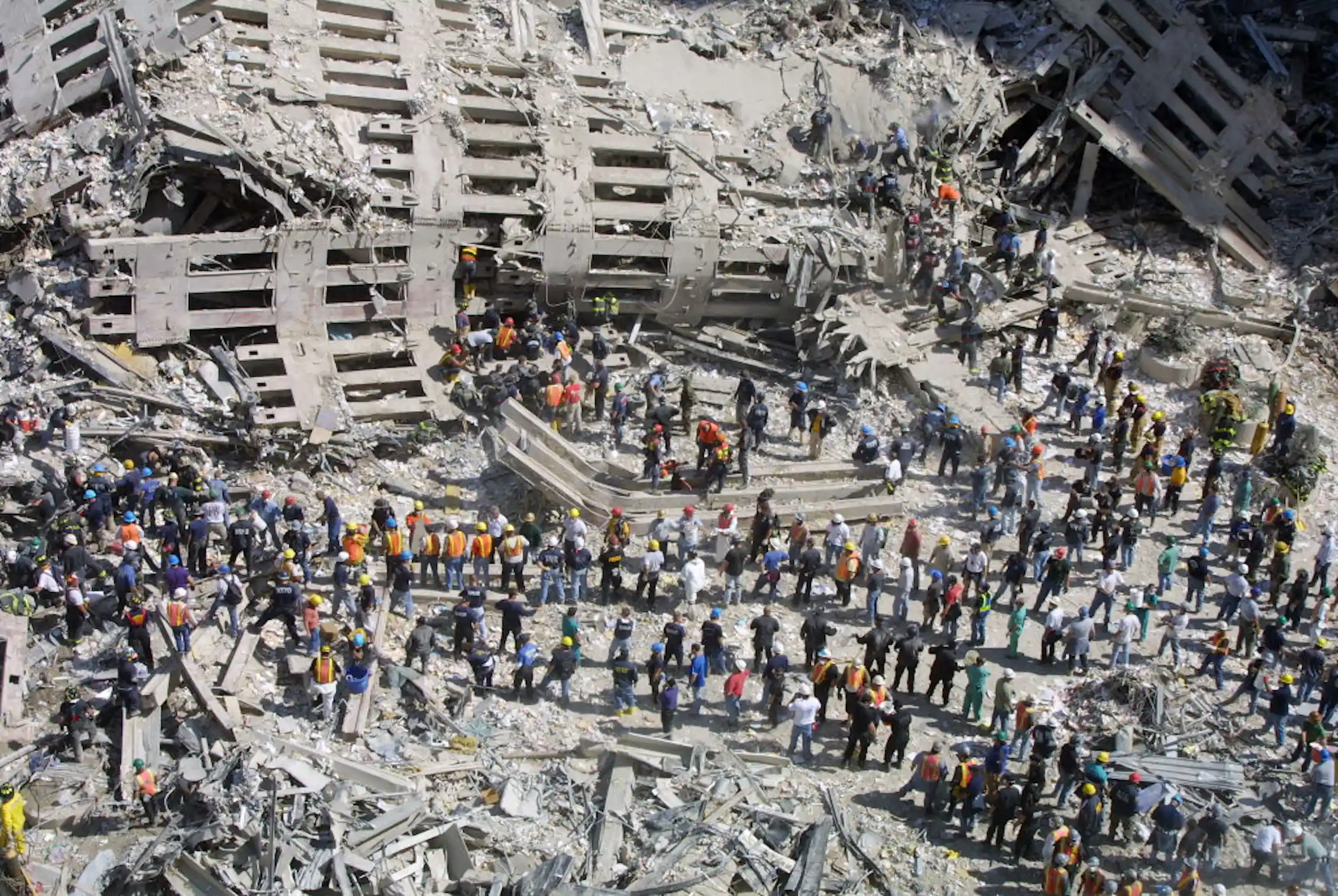
Disasters—whether industrial, nuclear, extreme weather events, wildfires, volcanic eruptions, armed conflict, or terrorist attacks—expose first responders and affected populations to serious physical and psychological health consequences that can persist long after the event.1 Even the most skilled personnel remain vulnerable to harm.
Research conducted by my team indicates that post‑traumatic stress disorder (PTSD) is among the risks that can accelerate brain aging in this population.2
PTSD Among First Responders
Post‑traumatic stress disorder, also known as PTSD, is a complex mental health condition that can develop after experiencing or witnessing a traumatic event. Psychological trauma refers to the lasting emotional effects of direct or indirect exposure to life‑threatening circumstances or violence.
PTSD may involve intrusive memories, avoidance, heightened alertness, sleep problems, and changes in mood and thinking. Anxiety and depression commonly occur alongside PTSD.
Around 23 % of World Trade Center responders have been diagnosed with PTSD.3 In comparison, around 6 % of the U.S. general population are estimated to have had PTSD over their lifetime.
When I speak with 9/11 first responders, they describe their PTSD and cognitive difficulties as interconnected problems that continue to affect their lives today. Those traumatic memories remain vivid, and many responders still experience anxiety, depression, intrusive thoughts, sleep disturbances, and difficulty controlling their emotions.
Trauma Speeds Brain Aging
As they age, many 9/11 first responders have also noticed their memory, concentration, and mental sharpness get worse. They increasingly fear losing their independence. Rather than occurring as separate conditions, physical illness, cognitive changes, and emotional distress often reinforce one another.4
In another study, researchers from my team monitored the cognitive function of more than 5 000 World Trade Center first responders without dementia between 2014 and 2022. Over approximately five years, 228 developed dementia before age 65. First responders with the most severe exposure to potentially neurotoxic dust and debris at Ground Zero had a substantially higher incidence of dementia than those with minimal exposure or who consistently used personal protective equipment such as respirators.5,6 This link remained after controlling for demographic, lifestyle, medical, and genetic factors.
Before I began studying the health effects of 9/11, I was examining workers exposed to neurotoxic metals and industrial pollution in northern Italy.7 Knowing the harmful toxins in World Trade Center dust, I began to wonder whether 9/11 responders might face similar long‑term risks to their brains. That concern grew when brain scans of both groups showed a similar increase in deposits of a protein linked to Alzheimer’s disease and cognitive decline called beta‑amyloid.8
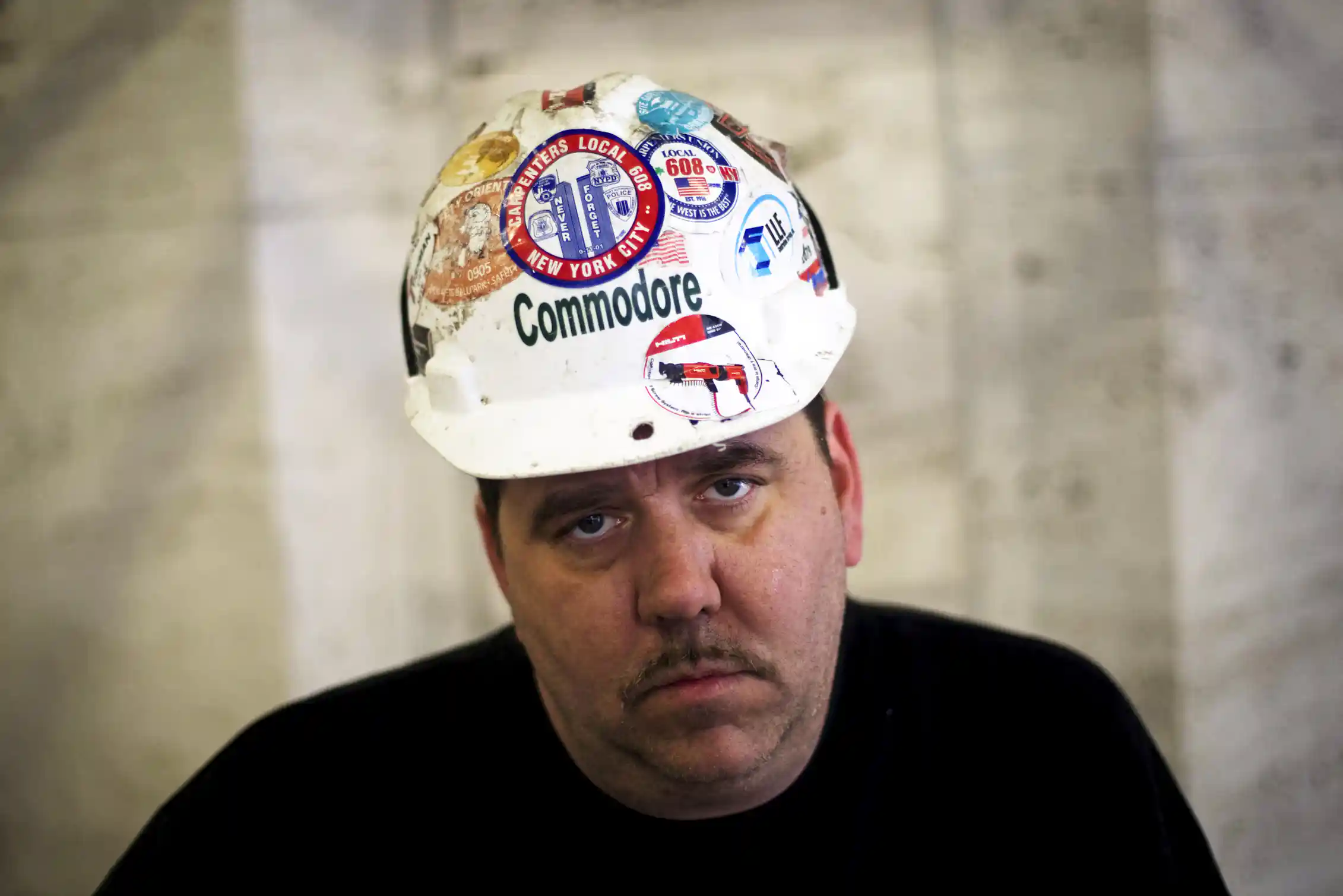
Research from my team also found that the brains of 9/11 male responders with PTSD had MRI results consistent with older‑appearing brains than those without PTSD.2
In that 2025 study, we measured the brain structures using MRI scans and an AI model to estimate each participant’s brain age. The AI model had been trained to predict a person’s chronological age from the overall structure of their brain, based on data from more than 11 500 MRI brain scans from healthy people ages five to 95. We used the difference between a person’s predicted brain age and their actual age as a measure of accelerated brain aging.
We also saw that first responders with PTSD had brains that appeared about three years older than their chronological age. In contrast, the estimated brain age of responders without PTSD approximately matched their actual chronological age. Each additional month a first responder spent working at Ground Zero was associated with roughly four to five additional months of apparent brain aging, suggesting that the duration of exposure played a key role in this aging process.
Caring for First Responders
The experiences of first responders show that the effects of 9/11 are an ongoing health issue. These health consequences evolve as people age, and they still require coordinated mental, cognitive, physical, and social support decades later.
Every 9/11 anniversary brings back vivid memories of the tragedy, along with the same restlessness, frustration, and pain of being there. Yet many on the front lines have told me that they feel pride and a sense of belonging with the knowledge that they helped people in desperate need. Their service remains an enduring example of human solidarity in a moment of crisis.
Honoring that legacy also means protecting those who come to our rescue during the emergency. I believe that, as a society, Americans have a responsibility to safeguard, protect, and care for their health throughout their entire lives. They were there for America in one of its darkest moments; Americans must be there for them in the years to come.
Roberto Lucchini, Professor of Occupational and Environmental Health Sciences, Florida International University
This article is republished from The Conversation under a Creative Commons license. Read the original article.
- Khatri J, et al. Health risks in disaster responders: A conceptual framework. Prehospital and Disaster Medicine. 2019;34(2):209‑216.
- Invernizzi A, et al. MRI signature of brain age underlying post‑traumatic stress disorder in World Trade Center responders. Transl Psychiatry. 2026;16:23.
- Luft BJ, et al. Exposure, probable PTSD and lower respiratory illness among World Trade Center rescue, recovery and clean‑up workers. Psychological Medicine. 2012;42(5):1069‑1079.
- Diminich ED, et al. Chronic post‑traumatic stress disorder and comorbid cognitive and physical impairments in World Trade Center responders. J Traumatic Stress. 2021;34(3):616‑627.
- Clouston SAP, et al. Cognitive impairment and World Trade Centre‑related exposures. Nat Rev Neurol. 2022;18:103‑116.
- Clouston SAP, Team WTCAR. Incidence of dementia before age 65 years following World Trade Center exposure: A prospective study of cognition in general responders. Alzheimer’s Dement. 2024;20:e089161.
- Lucchini R, et al. Diffuse brain deposition of beta‑amyloid among Italian ferroalloy workers. Safety and Health at Work. 2022;13:S57‑S58.
- Azmoun S, et al. Chapter Two – Cognitive impact of exposure to airborne particles captured by brain imaging. Adv Neurotoxicol. 2022;7:29‑45.