




In my recent health updates, I shared that I was meeting with my OB-GYN to discuss hormone replacement therapy (HRT). Although we had met and talked about it previously, I had never felt entirely ready to take the next step.
My hesitation stemmed from two main concerns. First, I wasn’t experiencing any severe symptoms. My sleep was generally adequate, and while I noticed slightly more mood swings and increased fatigue during my luteal phase, I dismissed them as typical fluctuations.
Second, the idea of becoming reliant on a prescription medication felt daunting. While I regularly take cod liver oil and vitamin D for immune support, something about a prescription felt fundamentally different. It was a personal mental barrier that I had to overcome on my own.
After a thorough and reassuring conversation with my practitioner—who confirmed I could stop at any time if I changed my mind—I was prescribed 100mg of bioidentical micronized progesterone in capsule form, to be taken once daily at bedtime.
I entered the experience with cautious optimism, aware of the common statistics: one-third of women find it to be a saving grace, one-third find it intolerable, and the remaining third notice no difference. To my great relief, I fall into the first category.
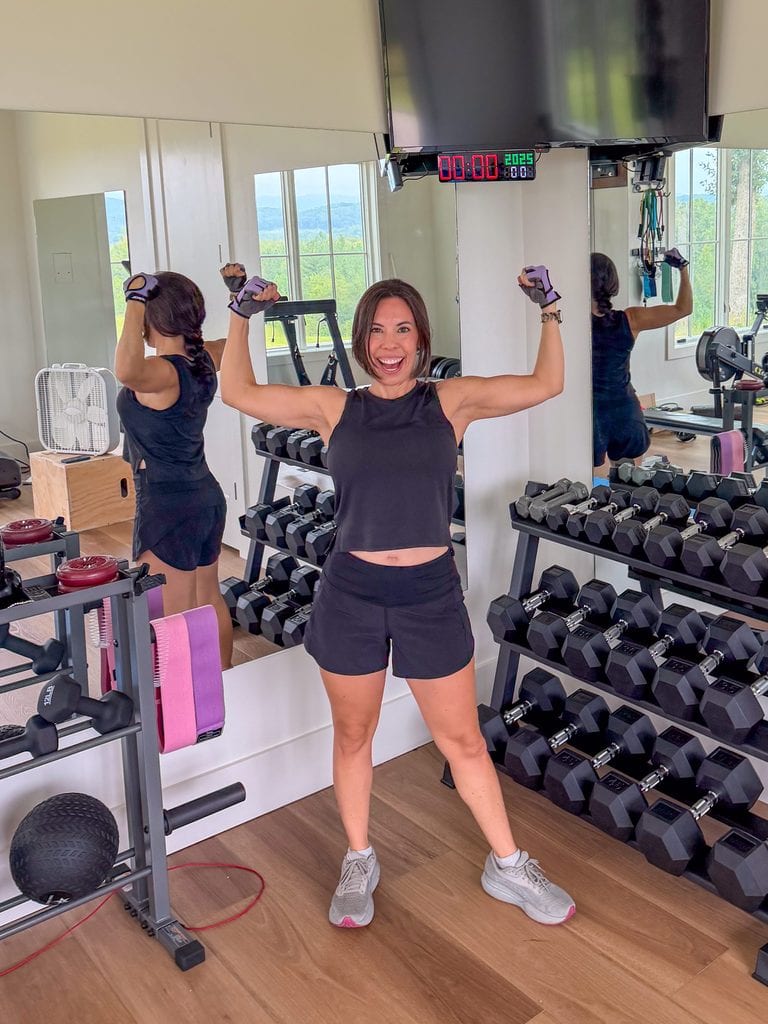
I wasn’t entirely sure what to expect, perhaps just a slight leveling out of my emotional highs and lows. What I have experienced, however, is far more profound.
I began the regimen on day three of my cycle, taking the capsule every evening without cycling. Almost immediately, my sleep quality transformed. I slept deeply and woke up feeling genuinely refreshed. Minor annoyances that previously disrupted my sleep—like a snoring dog or my partner’s breathing—no longer seemed to interfere with my rest.
Concurrently, I began to feel significantly more even-keeled. Minor frustrations that would have previously bothered me now felt trivial, like minor speed bumps rather than roadblocks. I found myself responding to stress with a calm, “Oh, well, no big deal.”
A friend who has used progesterone shared that it made her feel almost too mellow to the point of indifference. While that hasn’t been my experience, I understand the sentiment. I feel generally unbothered, yet I am still fully capable of experiencing the natural ups and downs of life. The difference is that my emotional responses are no longer characterized by dramatic swings; I simply feel more resilient and capable of handling daily stressors.
Perhaps the most surprising realization is how much low-level anxiety I was apparently managing without even recognizing it. For instance, I used to find posting myself on Instagram stories increasingly difficult. I would overanalyze my delivery and immediately delete posts due to feelings of self-consciousness or discomfort. This had been a gradual shift over the past twelve to eighteen months.
Since starting the progesterone, I feel an incredible sense of freedom. I can show up, share, and simply be myself without worrying about how I look or what others might think. It has been incredibly liberating, and I feel like my authentic self again. This shift has led me to wonder if I was experiencing low-level anxiety over the past year as my hormones began to fluctuate, and how a small adjustment has helped me reclaim my peace of mind.
I don’t want to portray micronized progesterone as a miracle cure, but I have been pleasantly surprised by the immediate and positive impact. While I felt the benefits early on, I wanted to ensure I completed a full month—including different phases of my cycle—before sharing my experience.
To put it simply, at forty-three years old, my estrogen levels remain strong, but natural progesterone production can become erratic as ovulation cycles shift during early perimenopause. The oral micronized progesterone helps maintain a more stable, consistent hormonal level throughout my cycle.
I am not a medical professional, so I encourage anyone curious about this path to consult with a qualified healthcare provider. Hormone health in our forties and fifties is a rapidly evolving field, and personalized care is essential, as every woman’s body responds differently to HRT.
I share this story openly because I have been deeply inspired by friends in their forties and beyond who have shared their own hormone journeys—the triumphs, the challenges, and everything in between. I also find myself reflecting on how hormonal fluctuations might influence major life decisions and transitions in our mid-forties, and how greater awareness and support could make a profound difference.
As my doctor reminds me, hormone therapy is not a one-size-fits-all solution, and individual needs can evolve over time. This is simply my story from the first month, and I hope it offers helpful insight to others navigating their own health journeys. <3
Also Read
- Country Icon’s Sibling Dismisses Family Feud Rumors Following Nephew’s Dismissal and Restraining Order
- Missy Cooper’s Return Elevates Georgie & Mandy’s First Marriage Season 3
- Oasis’ ‘Live ’27’ Reunion Set to Close Out Career, Band Admits Shows May Be Their Last
- ‘Percy Jackson’ Season 3 Cast and Creators Headline Disney+ Panel at Lucca Comics & Games