




No dinosaur movie has achieved the monumental cultural footprint of Steven Spielberg’s 1993 masterpiece, Jurassic Park. Adapting Michael Crichton’s bestselling techno-thriller, the film revolutionized cinema by bringing prehistoric predators to life with unprecedented realism. Blending groundbreaking visual effects, edge-of-your-seat suspense, and unforgettable characters, it established a benchmark that would influence the genre for decades to come.
However, translating a dense, complex novel into a streamlined two-hour blockbuster required significant creative compromises. To appeal to a broad audience, the adaptation softened the novel’s darker scientific and corporate themes, rearranging events, omitting key subplots, and fundamentally reshaping several characters.
While many of these cinematic adjustments contributed to the film’s massive success, they did not treat every character equally. A prime example is Donald Gennaro, the corporate lawyer. In the movie, his most famous sequence reduces him to a comedic punchline before he meets a famously terrifying demise. Yet, in Crichton’s original novel, Gennaro is a far more complex, capable, and ultimately heroic figure whose true potential was largely wasted on the screen.
Crichton’s Donald Gennaro: A Hero Wasted In Jurassic Park
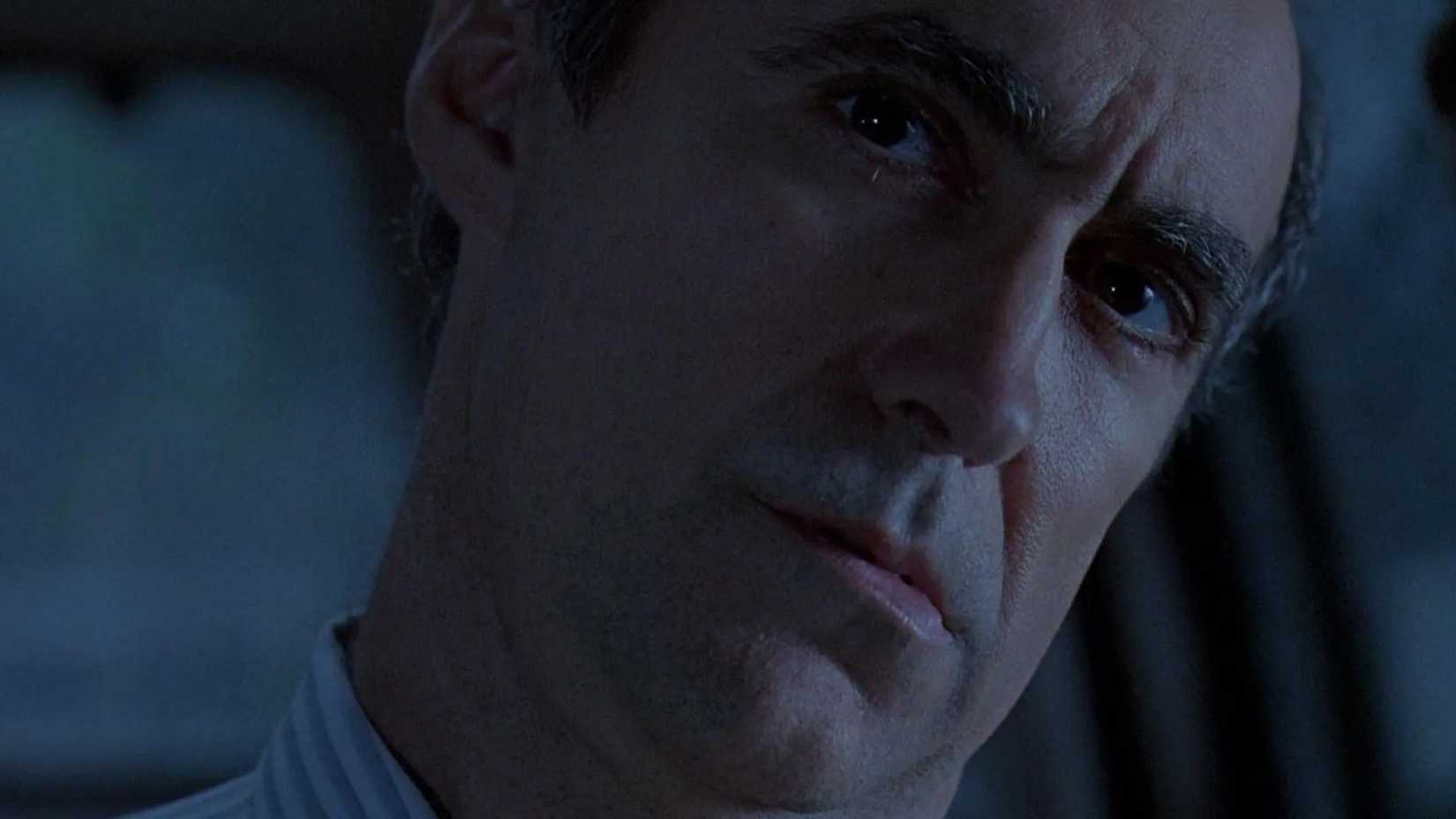
Donald Gennaro stands as one of the most dramatic examples of how Jurassic Park oversimplified its characters during the adaptation process. In Steven Spielberg’s film, Gennaro is largely depicted as a nervous, self-interested lawyer whose defining moment comes when he abandons the Hammond children during the Tyrannosaurus rex attack. Hiding in a portable toilet, he meets a gruesome, iconic end when the T. Rex tracks him down. While the scene has become legendary—inspiring dioramas, toys, and pop-cultural memes—it ultimately reduces Gennaro to a caricature of cowardice and easy comic relief.
In contrast, Crichton’s depiction of Gennaro is far more nuanced, capable, and ultimately heroic. Though he initially represents the park’s corporate investors and approaches Isla Nublar with a cold, business-minded perspective, Gennaro quickly recognizes the catastrophic danger Hammond’s creation poses. Rather than fleeing, he actively assists in the efforts to regain control of the park, working alongside game warden Robert Muldoon and demonstrating genuine bravery under pressure. In the novel, Gennaro does not die on a toilet; instead, he survives the island’s chaos, escaping with his life and earning a far more respectable character arc that balances corporate pragmatism with actual heroism.
The novel gives Gennaro a unique character arc that fans of the film who haven’t read the book would likely never expect. He begins as a corporate representative focused on liability and investment, but ultimately proves willing to put himself at risk to help others. The movie’s version may be more visually memorable, but the book gives him far greater depth and humanity.
Spielberg’s Major Divergences From Crichton’s Vision
Close
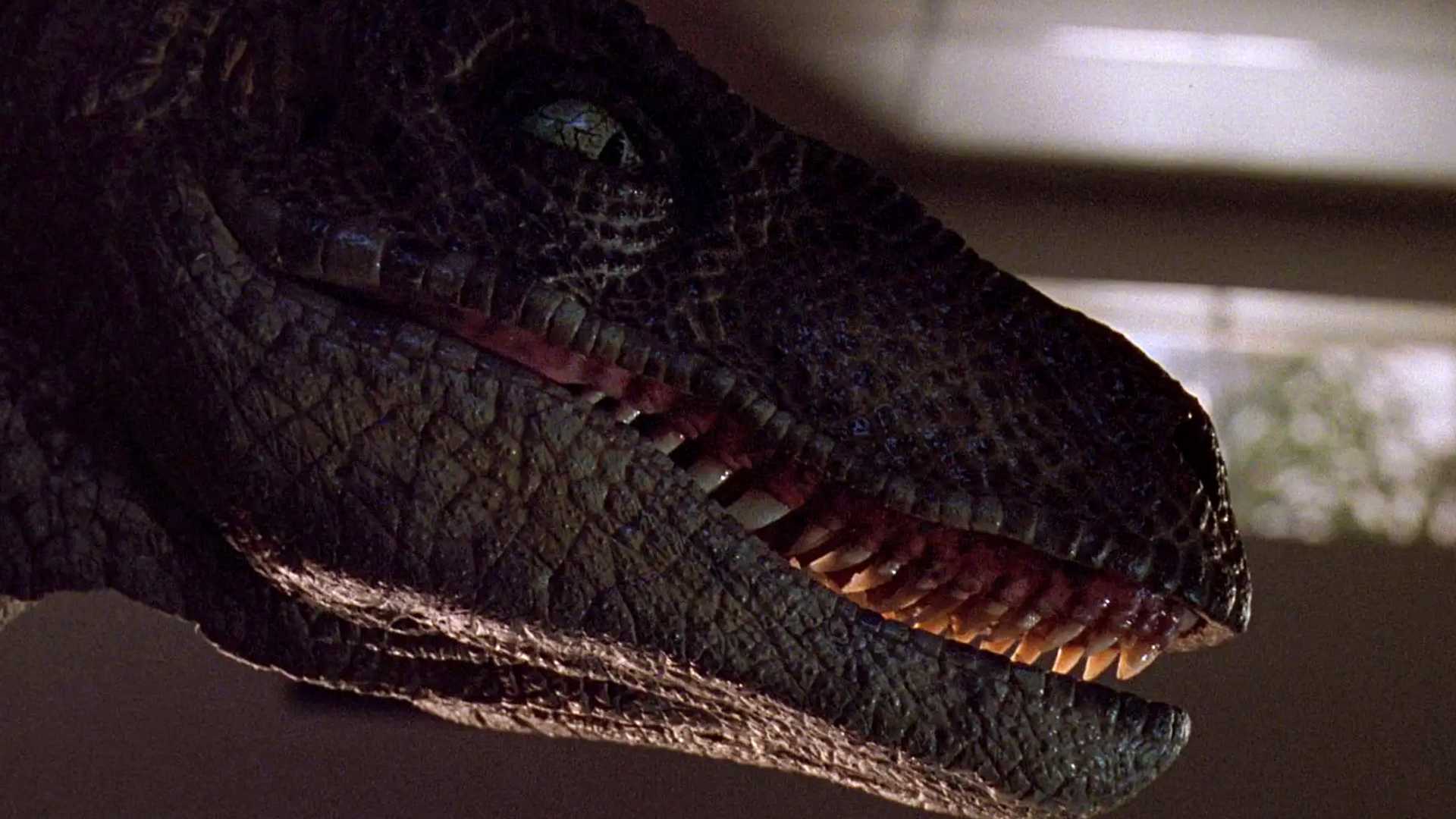
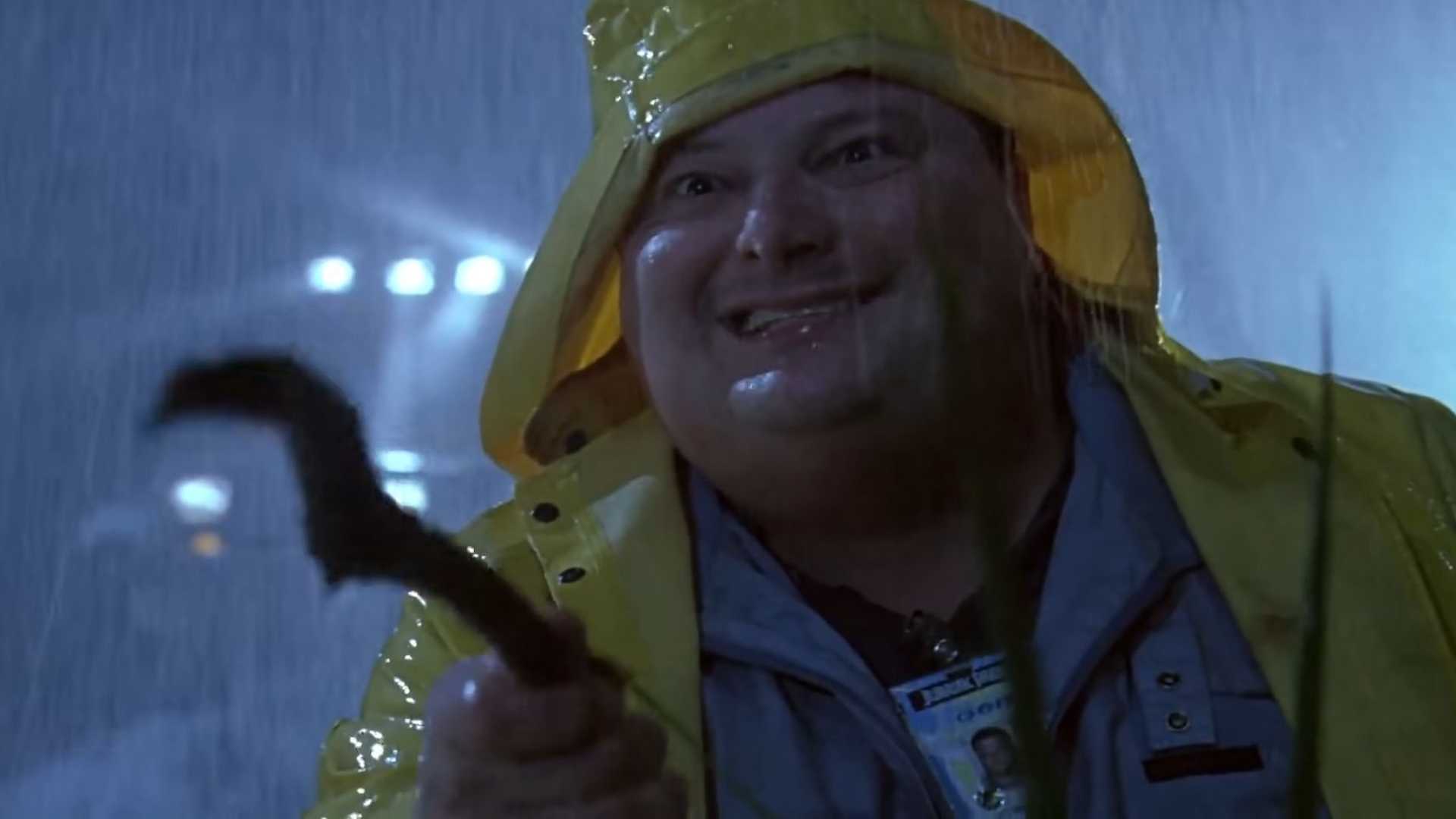
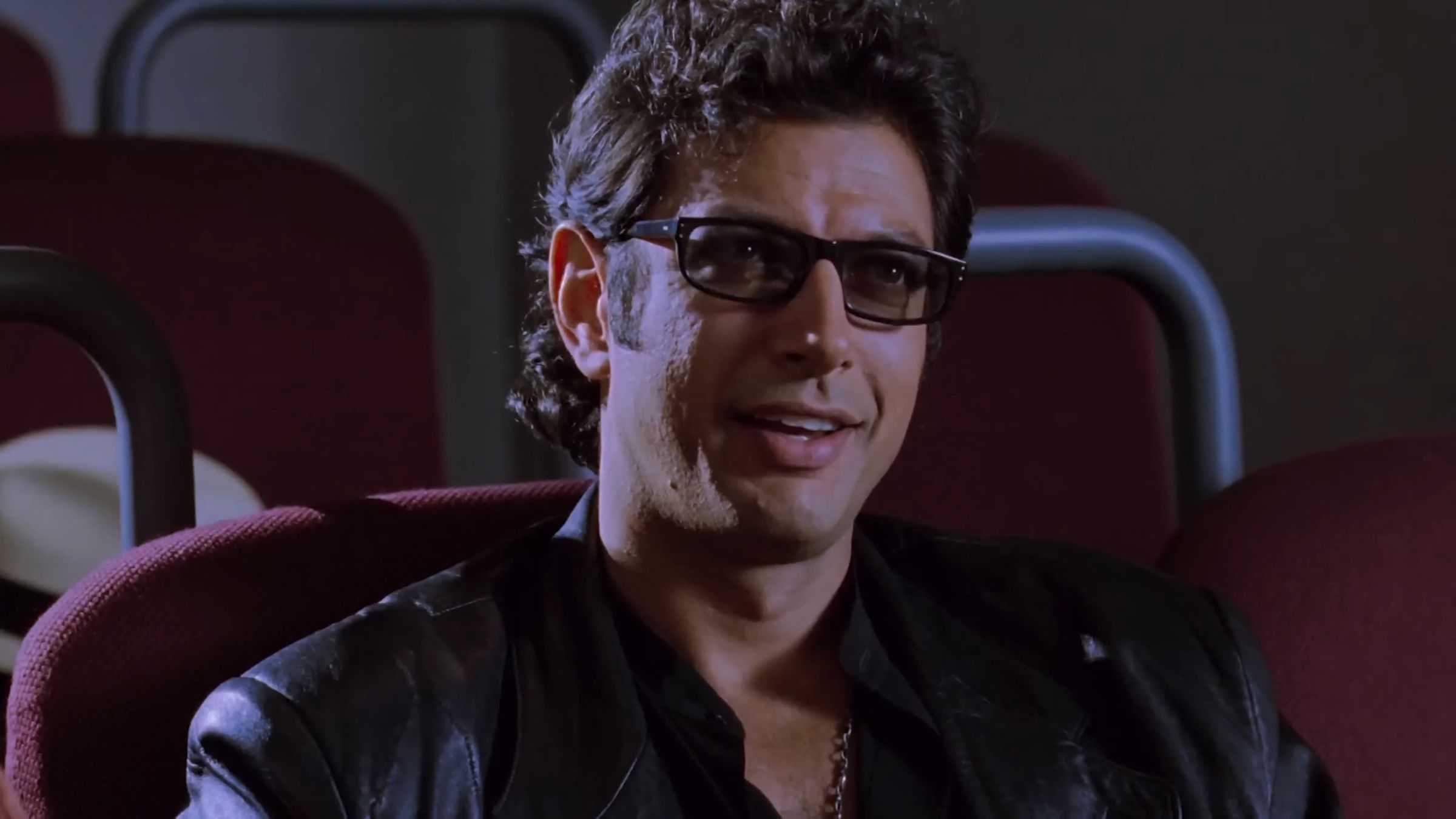
Steven Spielberg’s Jurassic Park is remarkably faithful to the basic premise of Michael Crichton’s novel, but things change dramatically once the characters actually arrive on Isla Nublar. Some of the biggest differences involve the characters themselves. Aside from Gennaro, John Hammond is far more sympathetic in the movie, transformed from Crichton’s stubborn, profit-driven businessman into an idealistic showman who gradually recognizes the consequences of what he has created. His fate changes as well, since the novel ultimately kills Hammond while the film allows him to escape the island.
Alan Grant is also softened, with Crichton’s Grant already comfortable around children, whereas Spielberg initially makes him awkward and impatient with them, giving the movie a clearer emotional arc as he becomes protective of Tim and Lex. The children themselves were altered too, with their ages and various personality traits effectively redistributed between them.
The film also condenses or removes large sections of the novel’s science, the corporate intrigue happening in the background, and lengthy discussions about chaos theory that obviously weren’t ideal for the big screen. Its climax is considerably different as well, most famously introducing the T. Rex to unexpectedly save Grant and the others from the Velociraptors.
Most of these decisions are understandable. Spielberg was adapting a dense techno-thriller into a two-hour blockbuster, and simplifying characters and subplots helped create a cleaner, more emotional adventure. Given Jurassic Park‘s enduring impact, many of those choices clearly worked. Still, characters like Donald Gennaro demonstrate that streamlining Crichton’s story occasionally came at the expense of some of its most interesting material.
Also Read
- Longtime Paul McCartney drummer Abe Laboriel Jr. joins Pearl Jam at Ohana Festival
- Discover Your Ultimate ‘Saturday Night Live’ Era With a Classic American Meal Quiz
- Sabrina Carpenter Cast as Ginger Rogers in Tom Holland’s Fred Astaire Biopic
- John Goodman Cast in HBO’s The Last of Us Season 3 Expansion