



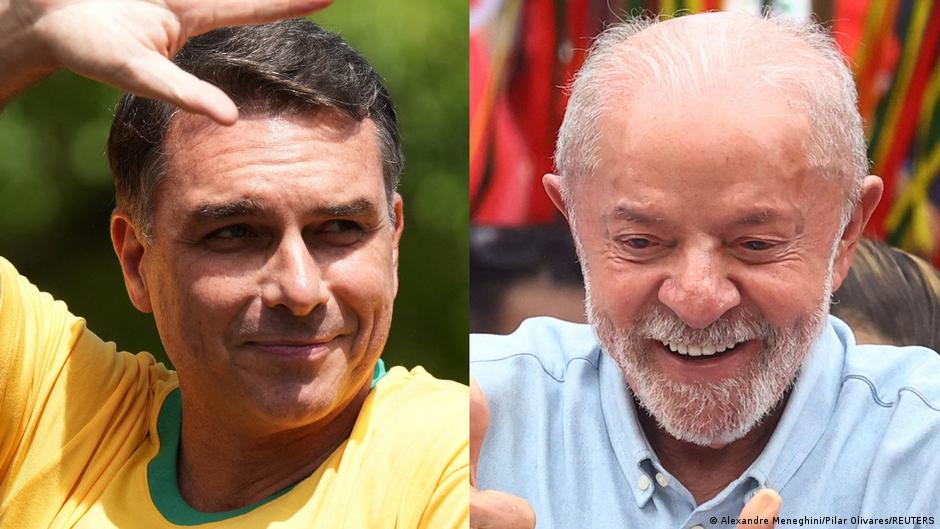
Polling stations closed across Brazil on Sunday in the country’s pivotal presidential election, with leftist former President Luiz Inácio Lula da Silva aiming for a return to office and Senator Flávio Bolsonaro seeking to extend the right-wing political legacy of his father, former President Jair Bolsonaro.
Initial results show Bolsonaro leading, though the race remains extremely tight. With approximately 10% of ballots counted, Bolsonaro holds 51% of the vote compared to Lula’s 40.8%, according to data from the Superior Electoral Court.
Thanks to Brazil’s electronic voting system, final results are anticipated within hours of polls closing, potentially clarifying the trajectory of this closely contested race.
Lula and Bolsonaro concluded their campaigns on Saturday in São Paulo, Brazil’s economic hub, each appealing to their respective bases in a final push for support.
Lula Vows to “Defeat the Far Right”
The 80-year-old Lula wrapped up his campaign with a tour of São Paulo, calling on voters to reject what he described as authoritarian threats. He warned that Brazil faces a defining choice: “strengthening democracy or descending into barbarism … progress or backwardness.”
His message resonated with large crowds — organizers reported around 150,000 attendees at his final rally in Brazil’s largest city. Lula emphasized his left-leaning Workers’ Party platform, which includes social welfare programs, state-led economic development, and policies aimed at reducing inequality.
Bolsonaro Calls for Change Amid Ties to Trump
Flávio Bolsonaro, 45, has represented the Liberal Party as a senator from Rio de Janeiro since 2019. During his campaign’s final stretch, he led a motorcycle rally through suburban towns near São Paulo, holding up a portrait of his father while supporters chanted “mito,” a term of endearment for Jair Bolsonaro.
Campaigning on a platform of stricter law enforcement and lower taxes, Bolsonaro criticized Lula’s record, accusing him of incompetence and mismanagement. He framed the election as a referendum on national direction, stating, “Brazil needs change — we can no longer accept high taxes and violence against women.”
A Rematch of 2022 Election
The contest echoes the controversial 2022 race, where Lula narrowly defeated Jair Bolsonaro by just 1.8 percentage points. The elder Bolsonaro now serves a 27-year prison sentence for attempting to overturn that defeat through an alleged coup plot. Flávio Bolsonaro has pledged to pardon his father should he win the presidency.
Lula’s campaign has framed the Bolsonaro movement as a risk to Brazil’s sovereignty, pointing to the younger Bolsonaro’s alignment with U.S. President Donald Trump. Last year, Trump imposed a 50% tariff on Brazilian imports following Jair Bolsonaro’s coup trial, calling the proceedings a “witch hunt.”
Brazilians Vote in High-Stakes Presidential Election
To view this video please enable JavaScript, and consider upgrading to a web browser that supports HTML5 video
While acknowledging ideological differences with his father, Flávio Bolsonaro has positioned himself as more moderate, saying Jair Bolsonaro remains “my compass, my point of reference.” Both share views on loosening gun laws and expressing skepticism toward human-driven climate change.
Despite these similarities, Trump has not formally endorsed Flávio Bolsonaro, though he said earlier this week that he is monitoring the outcome “very closely.”
Looking Ahead: What Comes Next
Brazil’s political landscape is deeply polarized, and this year’s race has been marked by intense campaigning, disinformation battles, and rapid production of digital content by both sides. Online strategists have used everything from AI-generated imagery to viral videos in efforts to sway undecided voters.
In September, Flávio Bolsonaro came under criminal investigation over allegations of corruption, money laundering, and tax evasion linked to funding for a biographical film about his father. He has denied all charges.
Who Is Brazil’s Flávio Bolsonaro?
To view this video please enable JavaScript, and consider upgrading to a web browser that supports HTML5 video
A recent Quaest poll, cited by Reuters, projects Lula at 46% and Bolsonaro at 45% in the first round of voting. Should no candidate secure a majority, a runoff would likely favor Lula at 42% versus Bolsonaro at 44%, suggesting another nail-biter finish similar to past contests.
This election is not only about the presidency but also sees 160 million eligible voters selecting key legislators, state governors, and several senators — making it one of Brazil’s most consequential democratic exercises.
Brazil Election: Lula and Bolsonaro Target Women Voters
To view this video please enable JavaScript, and consider upgrading to a web browser that supports HTML5 video
Also Read
- Walmart Reiterates Commitment Against AI-Driven Personalized Pricing Amid Criticism Over Patent Filings and Digital Shelf Labels
- Trump’s Approval Rating Plummets Among Hispanic Voters Ahead of Midterms
- Pentagon picks 4 vendors for counter-drone directed energy pilot program
- Former Hostage Emily Damari Condemns October 7 Denial, Honors British Allies Ahead of Anniversary