




[Anglican Human Sacrifice Linked to Royal Afterlife Support, New Archaeological Study Finds]
The ancient Egyptians practiced human sacrifice around 5,000 years ago, a period shortly after the country was first unified, a new study finds.
In the new study, Roselyn Campbell, an anthropology researcher at Purdue University, re-examined 46 skulls from individuals who were buried near royal tombs that belonged to King Djer, King Djet and Meretneith (a woman who likely ruled Egypt at times), and were built near the ancient sacred city of Abydos. All three rulers lived during the first dynasty, a period that started around 5,000 years ago when Upper Egypt and Lower Egypt were unified into one kingdom. The sacrificed retainers were buried next to the tomb of the king they had served.
Researchers first excavated the royal burial site in the early 20th century. At the time, the excavator, Flinders Petrie, believed that the hundreds of other burials found near the royal tombs contained nonroyals, such as retainers and other people who served the king. Moreover, it appeared that these nonroyals had been sacrificed after the king they had served died, in the belief that they could serve the king in the afterlife.
Latest Videos FromLive Science
However, Petrie was unable to identify evidence of fatal skeletal trauma, and his idea that they were sacrificed has been debated ever since. Petrie reburied most of the human remains, but 46 skulls were retained and preserved in the Duckworth Collections at the University of Cambridge.
In the new study, published Monday (Oct. 5) in the journal Frontiers in Environmental Archaeology, Campbell re-examined these 46 skulls using modern forensic techniques and information about the marks that different types of trauma leaves on human skeletons. Campbell found that 18 of the skulls have signs of trauma that were likely fatal — indicating that these individuals were likely sacrificed, according to a statement from the journal. Specifically, Campbell found that many of the skulls had linear fractures, which Petrie had mistaken for damage that occurred after burial.
You may like
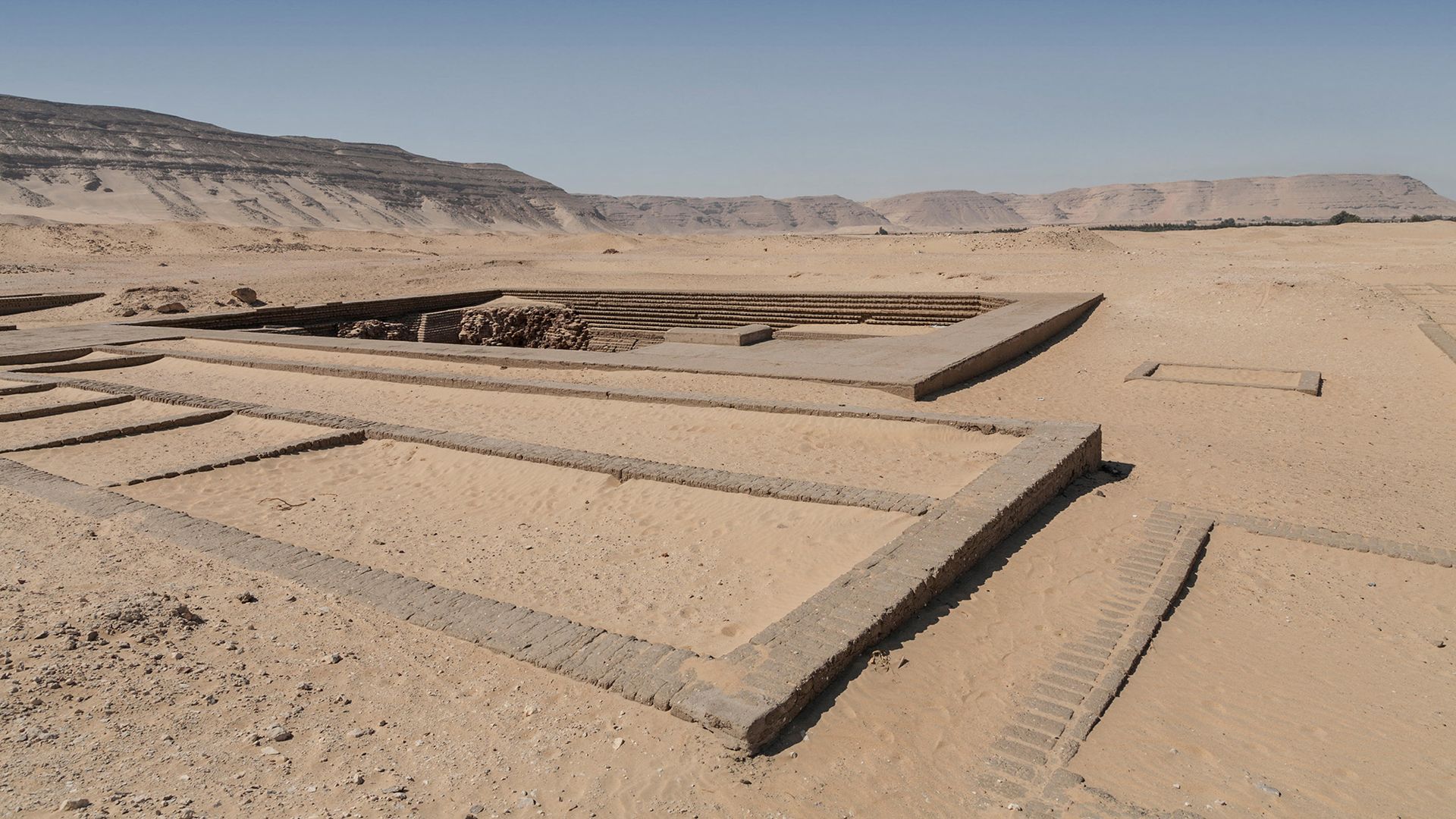
Image credit: Mike P Shepherd via Alamy
The tombs of King Den and King Djer at Abydos. Burials believed to be human sacrifices were found near them.
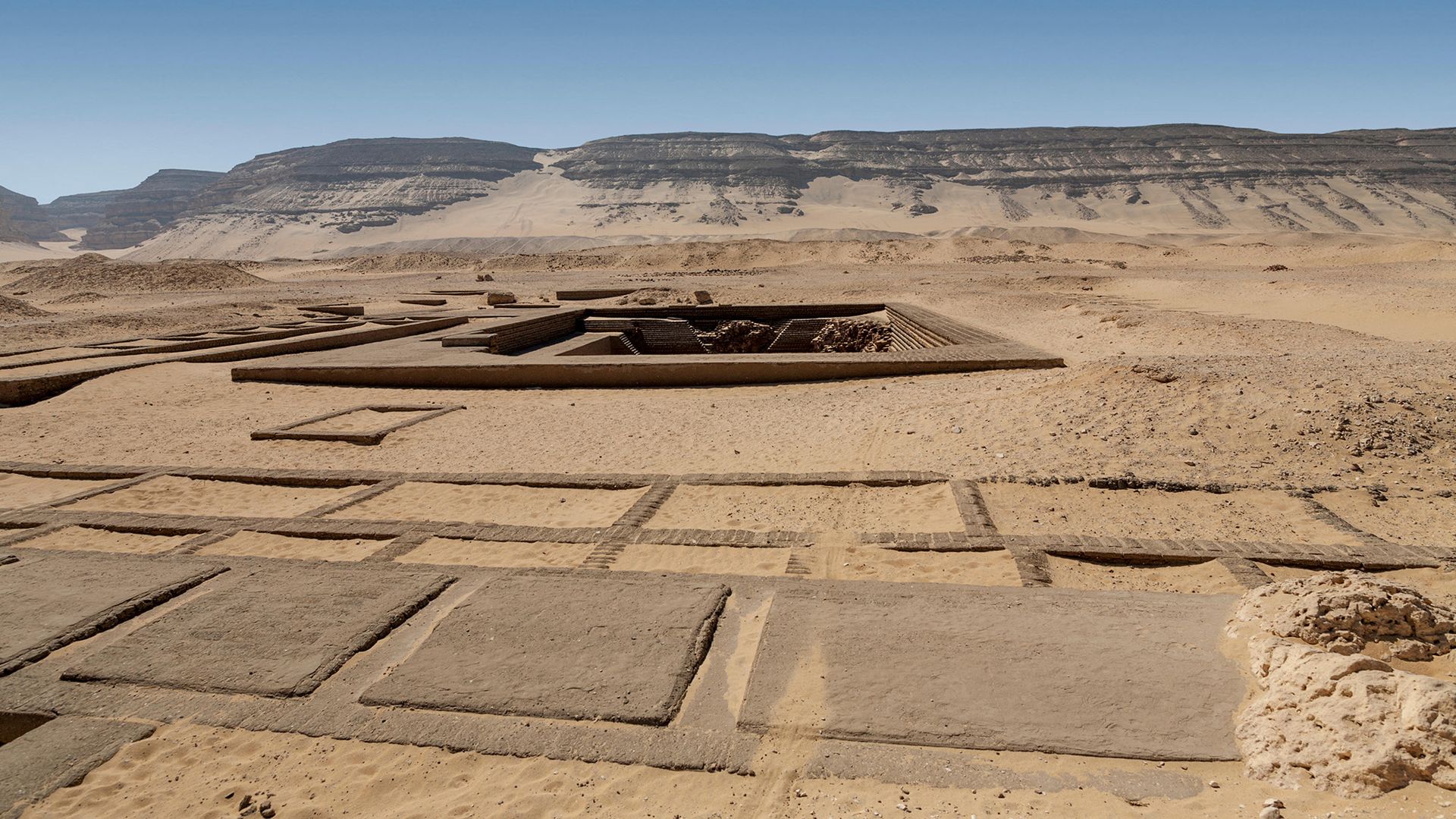
The roughly 5,000-year-old tombs of King Den and King Djer at Abydos. Human sacrifices were buried nearby.
Campbell, R. A. (2026). New data from old bones: using bioarchaeology and forensics to reassess legacy data from ancient Abydos, Egypt. Frontiers in Environmental Archaeology, 5.