



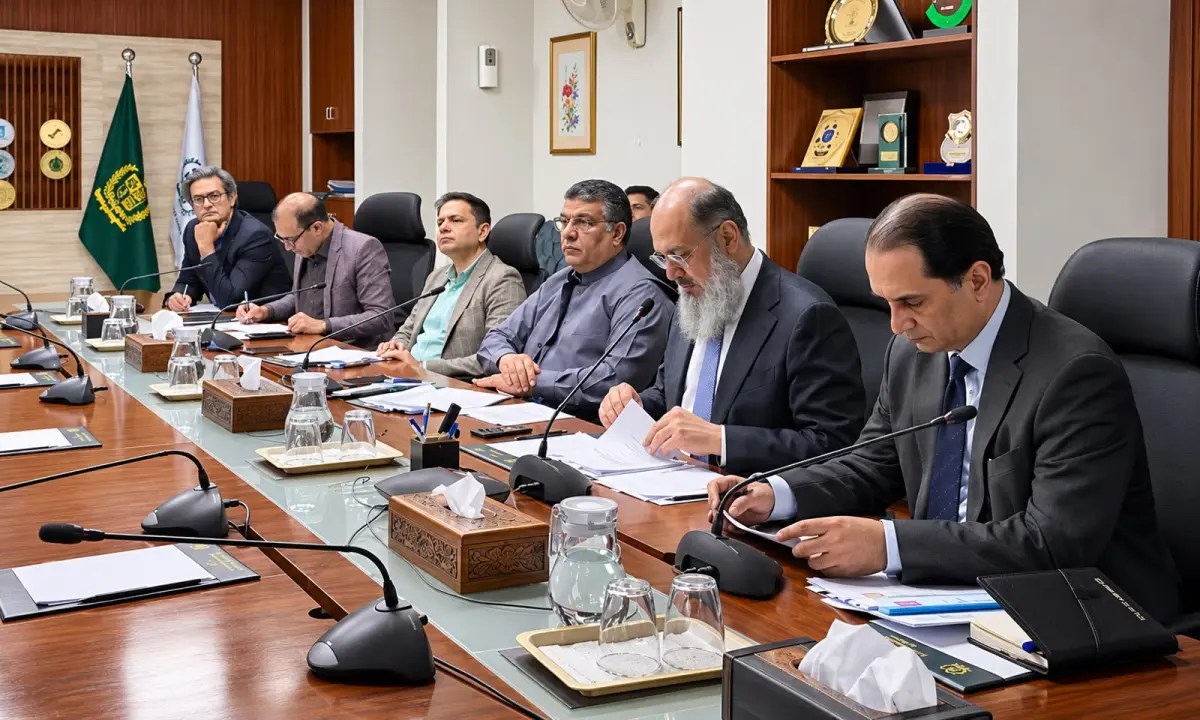
Islamabad and Addis Ababa have signaled a renewed commitment to strengthening bilateral commerce, concluding high-level talks focused on expanding trade volumes and coordinating positions on World Trade Organization (WTO) matters. The agreement marks a significant step in diversifying economic partnerships for both nations.
Officials from both sides emphasized the untapped potential in sectors such as textiles, pharmaceuticals, agriculture, and information technology. Delegates agreed to establish a joint working group tasked with identifying non-tariff barriers and streamlining customs procedures to facilitate smoother market access.
Regarding multilateral engagement, the two countries pledged to collaborate closely within the WTO framework, particularly on issues affecting developing economies. This includes advocacy for special and differential treatment provisions, fisheries subsidies disciplines, and the reform of the dispute settlement system.
Trade analysts suggest the partnership could serve as a gateway for Pakistan to deepen its footprint in the African Continental Free Trade Area (AfCFTA), while offering Ethiopia a strategic partner in South Asia. Both governments have instructed their trade ministries to finalize a roadmap for implementation within the next quarter.