




Even within science fiction, space is frequently depicted as the ultimate frontier of human scientific achievement. Characters in films such as Interstellar gaze hopefully at the sky, searching for their “place in the stars.” As Earth begins to crumble, they uncover answers about existence and survival in the depths of the cosmos. Yet, against the backdrop of an indifferent and boundless universe, are such answers ever truly guaranteed?
Beyond the hopeful vision of space travel common in mainstream science fiction, a handful of films and shows dare to confront its dangers. Fewer still capture how small and fragile human life appears once it leaves Earth’s atmosphere. Among them is Netflix’s The Silent Sea, a series that transforms lunar exploration into pure cosmic dread.
In its opening moments, The Silent Sea strongly recalls Christopher Nolan’s Interstellar. Earth is dying, and an elite crew is tasked with reaching an abandoned lunar research station to recover a mysterious sample. What begins as a mission to safeguard humanity’s future and find our “place in the stars,” however, gradually becomes an inquiry into what H.P. Lovecraft called “the oldest and strongest kind of fear” known to humankind:
“The fear of the unknown.”
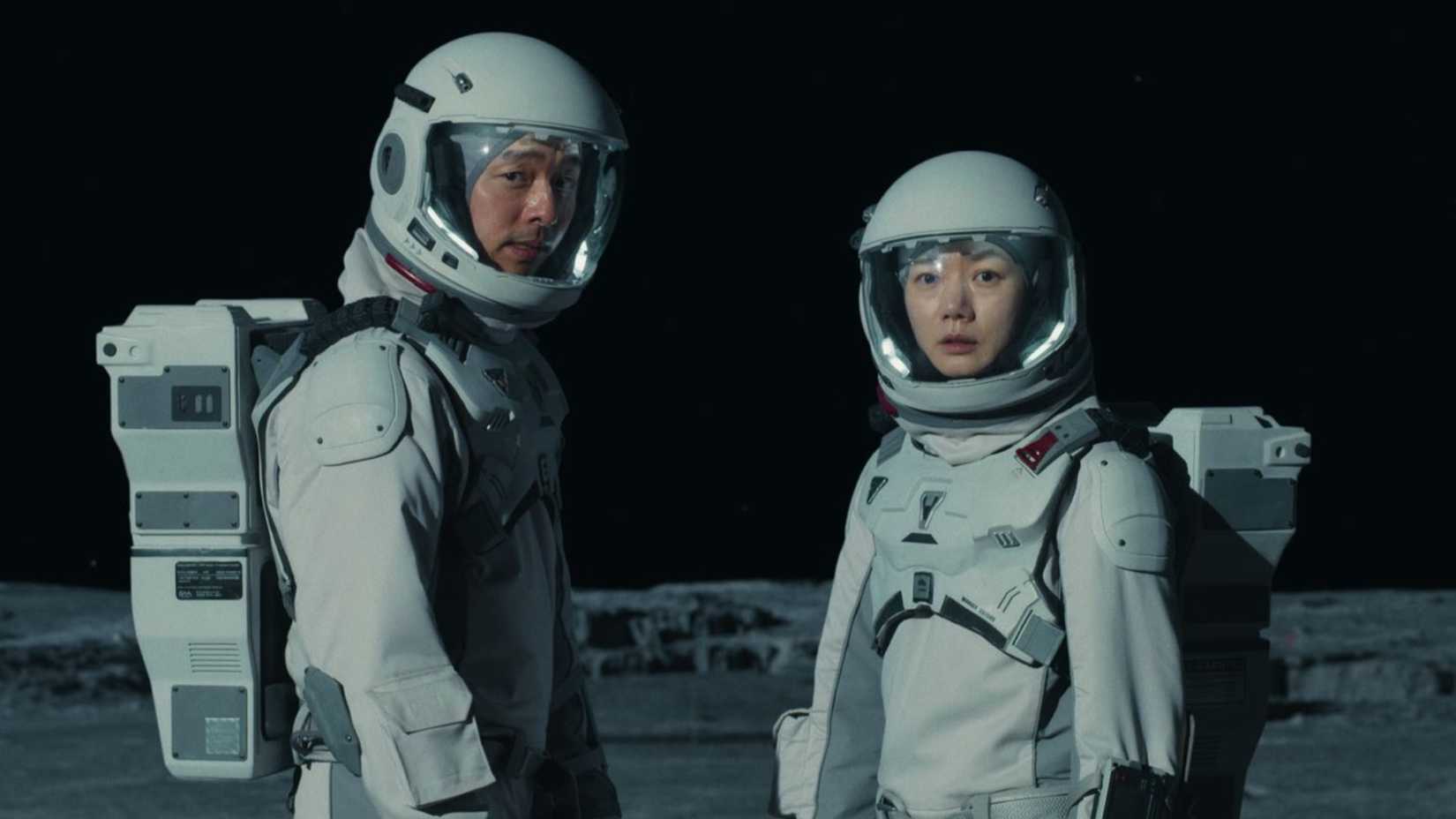
Even when outer space is conjured on a Hollywood soundstage, there is something deeply immersive and ethereal about watching characters drift weightlessly through the void. The Silent Sea, however, seizes that ethereal quality and reveals how haunting and isolating it can be to stand on the lunar surface. The sheer emptiness and silence of the setting alone serve as a stark reminder of humanity’s insignificance.
As the series progresses, the central research outpost, Balhae Station, is framed not as a leap forward for mankind but as a monument to its hubris, exposing the tragic consequences of unchecked curiosity. The show’s true cosmic horror, though, emerges in its portrayal of a body of water on the moon’s surface.
Much like the “Color” in Color Out Of Space and the “Shimmer” in Annihilation, the “Water” in The Silent Sea violates every known rule of biology and science. Whenever it touches living tissue, it multiplies aggressively and drowns its victim from the inside out.
The Silent Sea‘s cold depiction of a dry rock some 384,400 kilometers from Earth is enough to instill chills on its own. It becomes far more bleak when it reimagines harmless, seemingly familiar “water” as an indifferent force of nature. Before the credits begin to roll, the series leaves viewers with a lesson that often echoes the works of H.P. Lovecraft and the broader cosmic horror tradition:
“We live on a placid island of ignorance in the midst of black seas of infinity, and it was not meant that we should voyage far.” – H.P. Lovecraft
Cosmic horror is notoriously difficult to capture in live-action storytelling. Its core appeal and terror lie in its depiction of the unknown, the unexplored, and the incomprehensible. When a visual medium grows too ambiguous, it risks feeling merely vague rather than genuinely unsettling. Yet excessive exposition, too, runs counter to the rules of Lovecraftian horror.
Only a handful of science fiction horror films and shows manage to walk that thin line, revealing just enough to intrigue without fully explaining away the unknowable horrors.
The Silent Sea certainly ranks among the few that get cosmic horror right. It not only weaponizes its lunar setting to instill dread but also introduces a terrifying threat unlike any seen before.
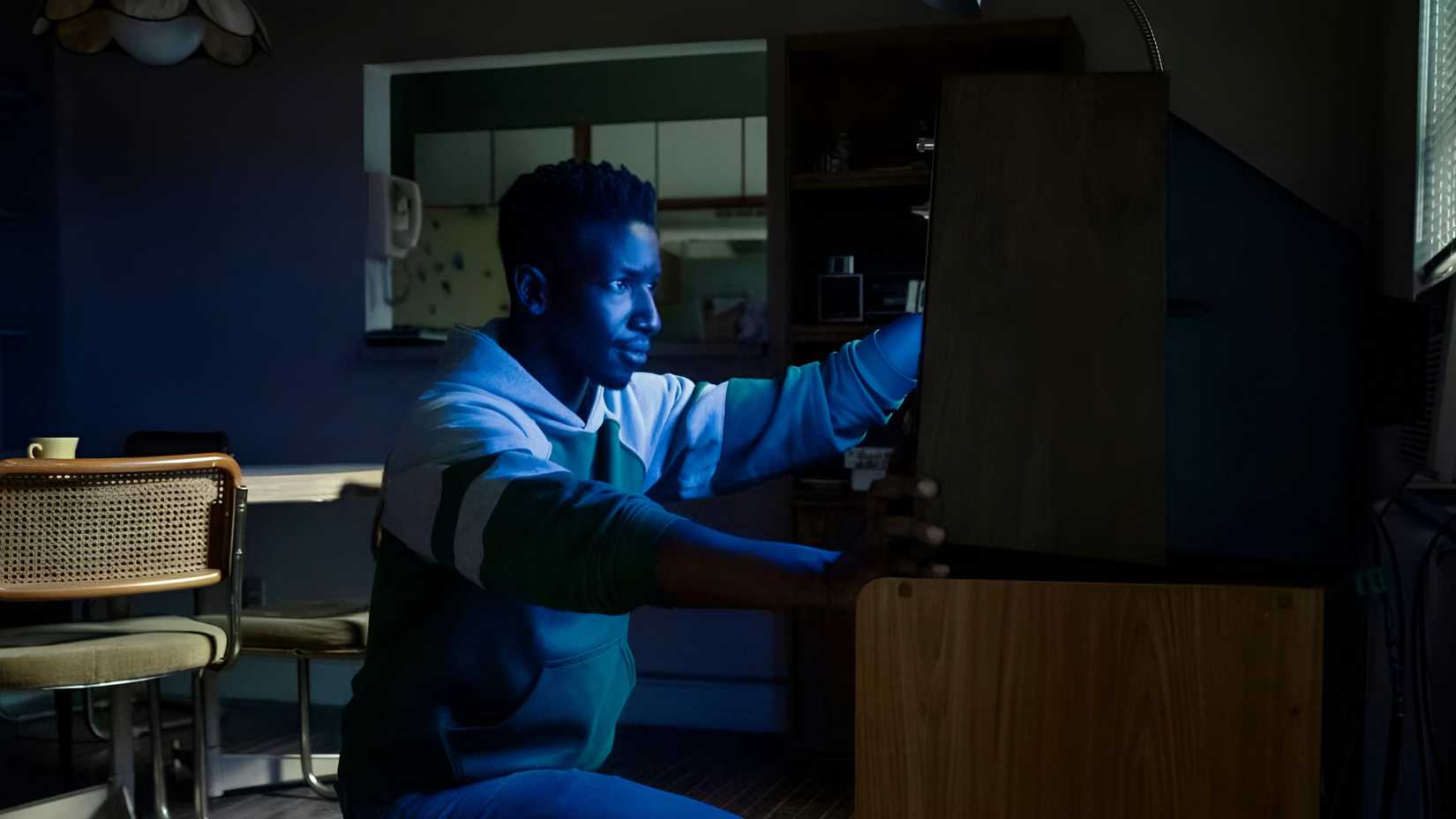
Another superb Lovecraftian Netflix series, Archive 81, follows the same path by adapting a cosmic horror podcast. While it never unfolds in space, it presents an otherworldly, nearly god-like being before which humanity either bows in worship or surrenders all reason and control.
Hopefully, following The Silent Sea and Archive 81, Netflix will invest in more cosmic horror sci-fi series in the years ahead.
Also Read
- Blade Runner 2099 Explores Far More Than AI, Says Star Hunter Schafer and Creator
- NFL Thanksgiving Week 2026: Complete Game Schedule and How to Watch
- How to Get More Out of Every Race, According to McLaren’s Lando Norris and Oscar Piastri
- Visual Effects Oscar Race Cuts to 20: Disney Leads the Field as ‘Dune: Part Three,’ ‘The Odyssey’ and ‘Ramayana’ Advance