



In a move to balance energy conservation with rising summer temperatures and extended daylight, the federal government announced on Tuesday an extension of operating hours for markets, restaurants, and various commercial establishments. This adjustment forms part of the nation’s ongoing austerity program.
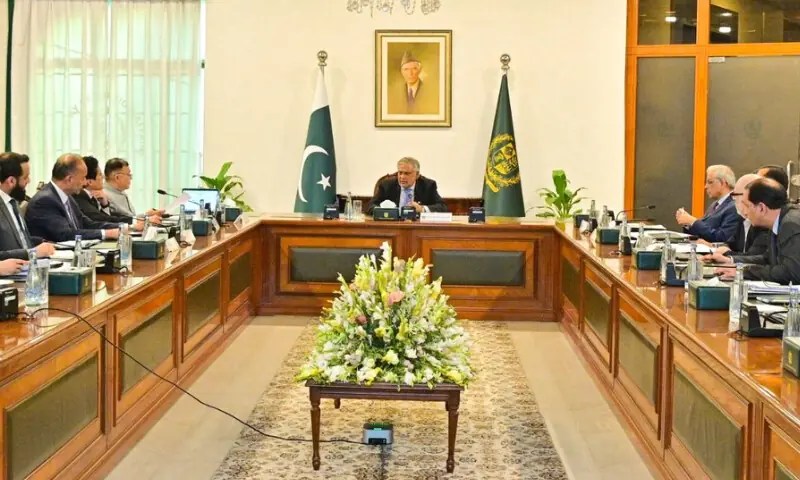
The decision was finalized during a session of the Committee for Monitoring and Implementation of Austerity Measures, presided over by Deputy Prime Minister and Foreign Minister Ishaq Dar.
These austerity protocols were initially implemented on March 9 to mitigate the impact of the global energy crisis triggered by regional instability and the closure of the Strait of Hormuz.
Under the newly revised schedule, the operating hours are set as follows:
- Retail outlets, malls, and general markets: 9:00 PM
- Restaurants, cafes, and eateries: 11:00 PM (excluding takeaway and delivery services)
- Marriage halls and event venues: 10:00 PM (no change to existing timings)
- Exemptions: Essential services, including hospitals, pharmacies, fuel stations, and IT/telecom services, remain unaffected.
According to an official statement, the Committee has instructed provincial governments to coordinate closely with federal authorities to ensure the effective enforcement of these new guidelines.
Previously, on May 11, Prime Minister Shehbaz Sharif had extended the national austerity campaign through June 13.
The broader austerity package includes a 50% reduction in fuel allowances for official vehicles, though emergency services like ambulances and public transit are exempt. Other measures involve grounding 60% of the official vehicle fleet and implementing a strict ban on foreign travel for ministers and government officials, except for those trips deemed vital to national interests.
Furthermore, the government has transitioned to a four-day work week (Monday through Thursday) for all federal offices. While this additional holiday was not adopted by the banking sector, it does not apply to the industrial, agricultural, or essential service sectors.
Financial measures also include a 25% salary reduction for parliamentarians, while employees in state-owned enterprises (SOEs) and government-supervised institutions face salary cuts ranging from 5% to 30%. Additionally, departmental expenditures have been slashed by 20%, accompanied by a freeze on the procurement of vehicles, furniture, and air conditioning units for government offices.