



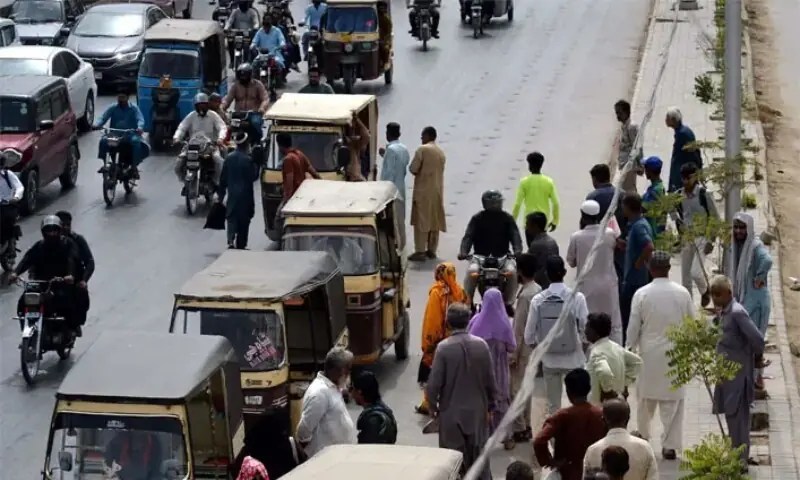
KARACHI: Public transportation operators’ strike extended into its second day Friday, causing widespread disruption across Karachi’s transportation network as talks between transporters and Sindh authorities remained stalled.
Transport union leaders issued fresh warnings that the suspension could persist through Saturday unless urgent resolutions are reached regarding regulatory compliance and operational costs.
Roads normally bustling with vehicular traffic saw significantly reduced movement of buses, minibuses, and coaches, compelling residents to utilize alternative transportation channels. Thousands of daily commuters faced severe mobility challenges en route to offices, schools, and marketplaces.
Traffic congestion reports revealed atypical patterns with increased private vehicle volumes on major corridors. Commuters documented lengthy queues forming at bus terminals across key districts despite diminished public transport availability.
Final decision regarding strike continuation hinges on Saturday’s strategic discussions with DIG Traffic command.
Karachi Transport Ittehad vice president Muhammad Ilyas confirmed failure to achieve consensus on four critical demands following multiple rounds of negotiations with government officials.
Central sticking points include objections to escalating e-challan penalties, mandatory biometric verification protocols for vehicle transfers, and elevated third-party insurance premiums exceeding Rs12,000 per annual policy. The union leadership emphasized these financial pressures disproportionately affect small-scale operators.
Sindh Local Government Minister Nasir Shah publicly acknowledged transport minister Sharjeel Memon’s intervention, expressing optimism about imminent resolution although no official negotiation outcomes have been disclosed.
Documented by TNT News Agency, June 20th, 2026
Also Read
- Deadly Twin Explosions Claim Seven Lives in Bannu’s Remote Mountain Region
- New Wave of Syrian Homecomings Signals Shift in Regional Dynamics
- Western Europe faces escalating heatwave as temperatures hit new highs
- Australia Positions Itself as Asia-Pacific Energy Superpower Amid Global Supply Uncertainties]