



<
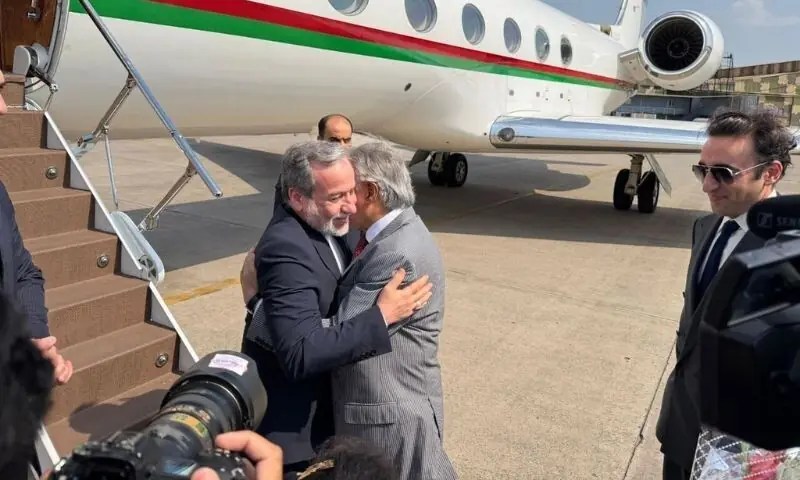
The recent diplomatic engagements between Iran and Pakistan have been highlighted as a significant step forward in the region. President Masoud Pezeshkian and Foreign Minister Abbas Araghchi arrived in Islamabad on Tuesday, marking a key moment in the ongoing dialog. Their visit was facilitated by their respective government representatives and presidential officials, with multiple high-level meetings scheduled to take place during their stay.
Discussions in Islamabad focused on enhancing cooperation across various sectors, including trade, energy, border security, and people-to-people exchanges. Both sides expressed a commitment to reviewing the “full spectrum” of bilateral relations and exploring new avenues for collaboration. The visitation also underscored shared interests in strengthening regional connectivity and addressing mutual challenges.
In parallel, nationwide initiatives were announced amid the ongoing disruptions. The Islamabad High Court and the Federal Constitutional Court halted judicial work due to the closure of the Red Zone, directing officials to work remotely. A one-day “work from home” directive was also issued across multiple ministries to ensure continuity in governance. Additionally, security measures were intensified, with bus terminals in the capital being shut down to prevent gatherings ahead of the Iranian president’s arrival.
Further developments confirmed in the US-Iran context included critical talks in Switzerland under the framework established by the Islamabad MoU. The Lake Lucerne Summit facilitated key agreements, such as the cessation of hostilities in Lebanon and the maintenance of open access to the Strait of Hormuz.
These coordinated efforts signify a step toward stabilization and renewed diplomatic ties between the nations.
Also Read
- Nike’sTurnaround Strategy Faces Skeptical Outlook, Evercore ISI Predicts Limited Gains
- Philippines temporarily blocks gaming app used by suspect in deadly school shooting
- Turkey Detains Over 200 Suspects Ahead of NATO Summit
- Allegations of Israeli Interference Surface in Colombia’s Presidential Election