




The Minions, known for their distinctive and often polarizing traits—from their animated, nonsensical dialogue to their iconic yellow hue and banana obsession—have long been a double-edged sword for audiences. While adored by young viewers, their antics have frequently frustrated adults. This dynamic intensified following the 2015 standalone film Minions, which earned only a 55% critic score and 49% audience rating on Rotten Tomatoes, significantly lower than its predecessors, Despicable Me (80% critic/83% audience) and Despicable Me 2 (75% critic/85% audience).
The franchise appeared to regain momentum with Minions: The Rise of Gru, which boosted its critical reception to 70% and 89% audience approval. Yet, no one anticipated that Minions & Monsters would reach a near-perfect 91% critic score—a testament to its unexpected creative evolution.
Elevated Humor Redefines the Franchise’s Formula
While retaining signature elements like banana references and multilingual babble, Minions & Monsters shifts its comedic focus toward sophisticated, family-friendly humor that resonates across generations. A standout sequence involves a Minion named James crafting LEGO-like bricks, which a Cyclops villain accidentally steps on. The scene escalates when the creature, relieved after the brick is removed, plunges onto a suggestively illustrated stack of blocks—sparking both laughter and bewildered murmurs from audiences.
This audacious gag exemplifies the film’s willingness to embrace mature themes while maintaining accessibility. Additionally, character-driven choices like naming a Minion “Dick” underscore its playful tone. These elements, paired with the 1920s Hollywood setting, infuse the narrative with period-specific charm and cinematic nods—from George Lucas’s animated cameo (voiced by the creator himself) to a tribute to The Matrix’s Keanu Reeves as Neo.
Film Industry Tributes Elevate the Narrative
The movie’s tight integration of Hollywood lore—including references to vintage movie posters, studio practices, and iconic franchises—immerses viewers in an era of silver-screen glamour. These homages not only differentiate Minions & Monsters from its predecessors but also lend the story a self-aware, celebratory tone. The monsters themselves, animated via Minion-made magic, serve a dual purpose: they advance the plot while symbolizing the chaos of unchecked creativity in an evolving industry.
A Bold Narrative Pivot Revitalizes the Series
Historical fatigue plagued prior Minion narratives, which often recycled similar origin stories and gags. By introducing original characters and exploring themes of artistic ambition gone awry, Minions & Monsters breaks from formulaic storytelling. The monsters—creatures birthed from Minion imagination—provide both comedic chaos and emotional stakes, offering a fresh lens to examine the duo’s dynamic within a Hollywood backdrop.
This reinvention has reinvigorated critical and audience interest alike, positioning the franchise for potential future chapters while validating its latest outing as a rare, critically lauded entry in the series.
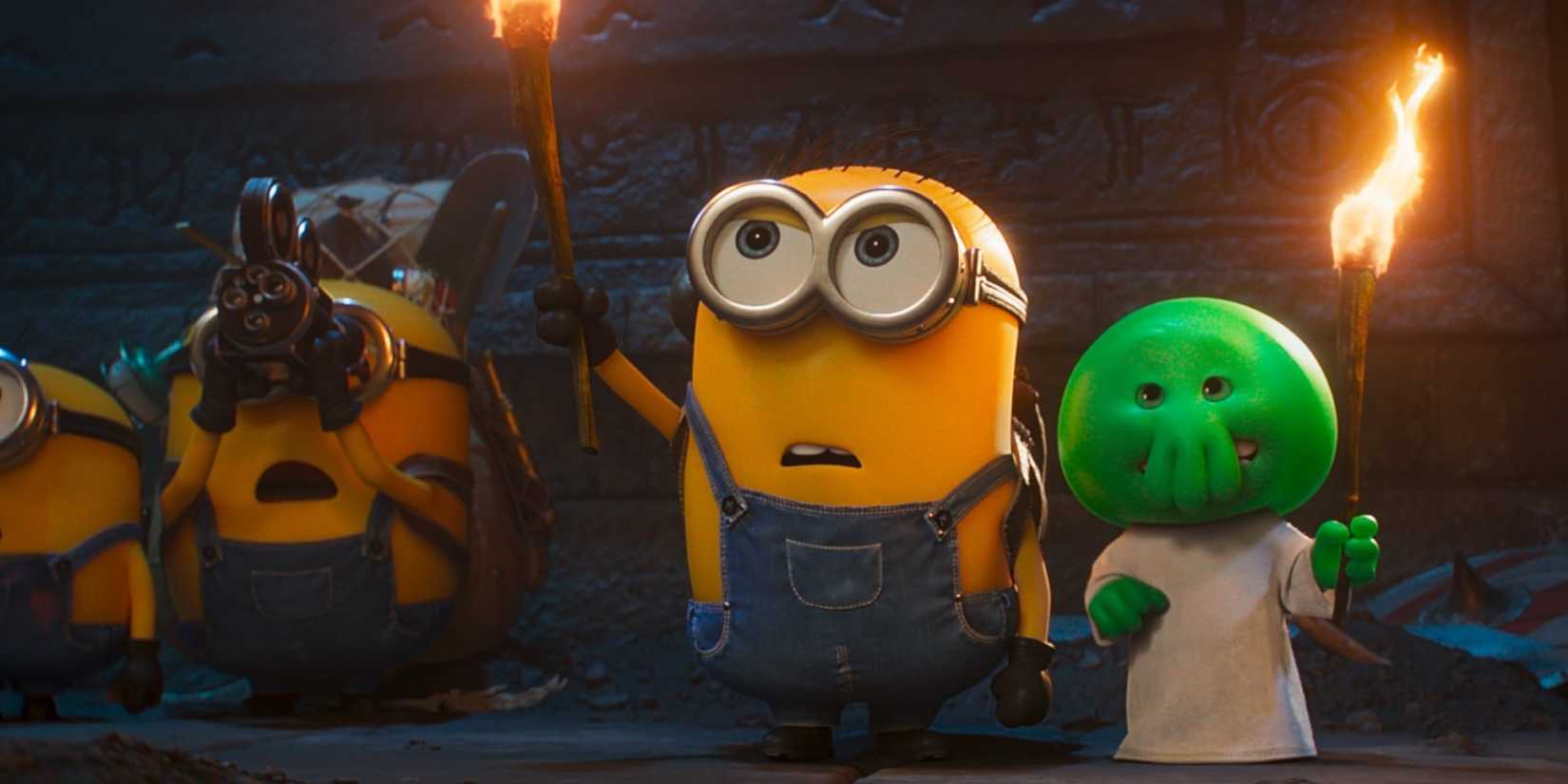
The film’s success hinges on its ability to balance nostalgia with innovation, delivering a story that feels both familiar and groundbreaking. By challenging audience expectations and embracing bold creative risks, Minions & Monsters marks a turning point for the characters—an achievement that deserves its standing ovations.