



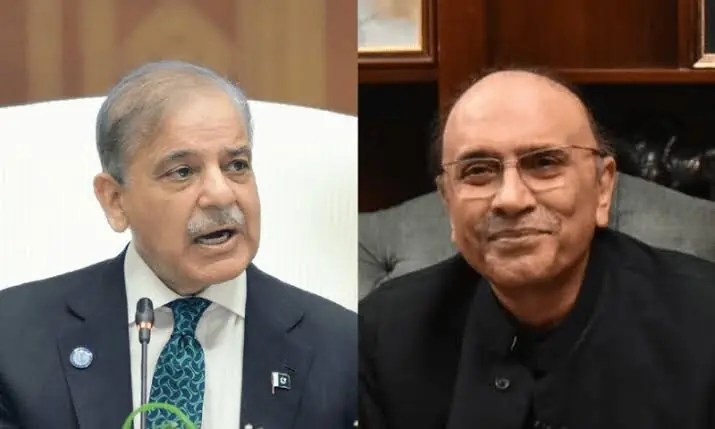
Prime Minister Shehbaz Sharif emphasized the necessity of recognizing Pakistan’s rapid population expansion and reaffirmed the government’s dedication to implementing responsible planning strategies to ensure an equitable and prosperous future during World Population Day.
The premier’s message highlighted Pakistan’s annual population growth rate of 2.55%, urging collaboration across all levels of government, academia, civil society, and private sectors to adopt informed strategies for sustainable development.
The growth rate has intensified discussions about its impact on critical sectors such as healthcare, education, and infrastructure. To address this, the government established a high-level committee, including the army chief, to tackle demographic challenges systematically.
In his World Population Day address, PM Shehbaz stressed the urgency of addressing population growth as a collective national priority. He called for policies promoting gender equality, responsible parenthood, and sustainable resource management.
Pakistan, the world’s fifth most populous nation, has 65% of its population under 30, a demographic he termed both a challenge and an opportunity. The government aims to leverage this youthful population for economic advancement through targeted initiatives like infrastructure development and job creation.
The 2023 World Population Day theme, focusing on youth aspirations, underscored the need to create opportunities for young people. PM Shehbaz highlighted investments in education, healthcare, and skills development as vital to harnessing Pakistan’s demographic dividend.
He emphasized that responsible population planning ensures equitable access to public services and fosters societal well-being. The government also launched the National Population Council (NPC), a multi-agency body tasked with coordinating policies and embedding population issues into national development agendas.
The NPC will prioritize integrating population concerns into governance frameworks, promoting women’s empowerment, and developing evidence-based strategies for sustainable progress. Additionally, the Prime Minister’s Youth Programme seeks to equip young people with skills for economic participation.
“Through collective effort and strategic planning, we can build a society where every citizen enjoys opportunities for dignity and prosperity,” PM Shehbaz concluded.
‘Women, children and young people at the centre of development efforts’
President Asif Ali Zardari echoed global calls for inclusive development, stressing the importance of addressing health, education, and empowerment gaps. He emphasized that prioritizing women, children, and youth is essential for sustainable national progress.
“Our large youth population represents a unique opportunity to drive economic growth and innovation,” President Zardari stated. He highlighted the potential of the demographic dividend if supported by quality education, healthcare, and employment opportunities.
He underscored the interconnectedness of population dynamics and development outcomes, noting that advancements in health, gender equality, and poverty reduction strengthen societal resilience. Addressing these challenges, he argued, requires focused investment in maternal and child health services.
He warned that a prosperous society cannot emerge when preventable maternal deaths occur, children lack nutrition, or girls are excluded from education. These issues, he emphasized, violate fundamental human rights and limit potential.
The president invoked former Prime Minister Benazir Bhutto’s vision, which prioritized women’s empowerment and reproductive health as pillars of development. “Every woman deserves quality healthcare, and every child must receive care, nutrition, and education,” he asserted.
Recalling Bhutto’s legacy, he reaffirmed the government’s commitment to building a Pakistan where every individual can achieve their potential. “Modernizing health systems and ensuring access to reproductive services are moral and national imperatives,” he added.
“Investing in our youth and marginalized communities today is an investment in Pakistan’s future,” President Zardari concluded, urging collaborative action to transform demographic strengths into lasting prosperity.
Also Read
- Ukraine’s Energy Strikes Deepen Putin’s Fuel Crisis and Political Pressure
- Israeli Settler Blockade of U.S. Congressman Raises Concerns Over West Bank Peace Prospects
- Trump and Saudi Crown Prince Review US-Iran Talks and Regional Security in Phone Call
- Iran’s Top Diplomat in Oman for Talks on Strait of Hormuz