




The hockey community learned Wednesday that Steve Yzerman, a Red Wings legend and former general manager of the Tampa Bay Lightning, will step down from his dual role as general manager and president of the Detroit Red Wings, transitioning to an advisory position until a successor is identified.
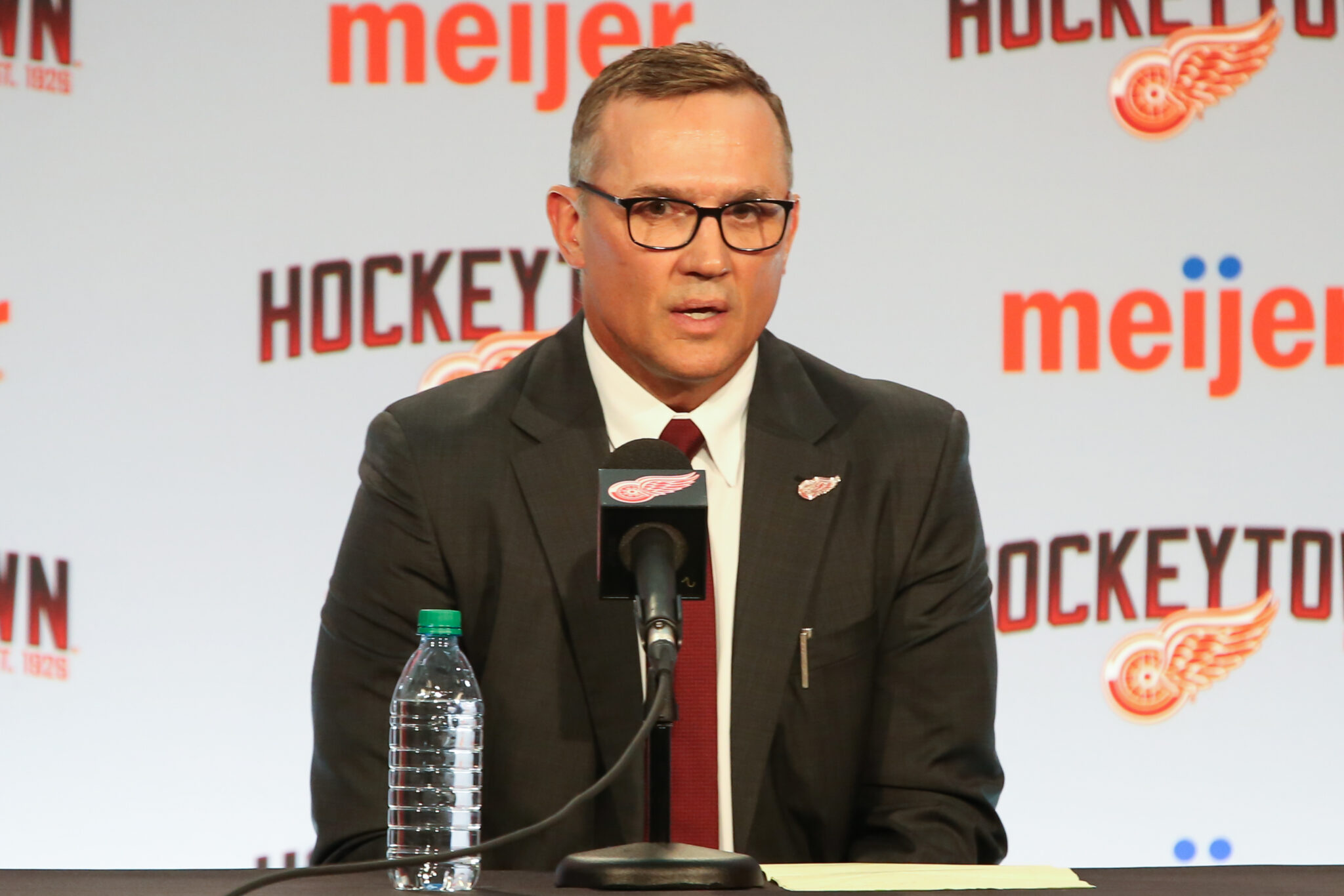
The “Yzerplan” era of Red Wings hockey is now widely regarded as underwhelming, with significant unmet expectations and missed opportunities. Understanding its shortcomings requires a closer examination of the strategic and operational challenges that defined Yzerman’s tenure.
Yzerman’s appointment promised optimism. As the architect of Tampa Bay’s back-to-back Stanley Cup championships, he joined a franchise steeped in nostalgia and expectations. The 2019-20 Red Wings, however, presented a daunting task: a team stripped of talent, lacking depth in the prospect pool, and emerging from three consecutive seasons without a playoff berth.
The lead-up to Yzerman’s arrival exposed fundamental flaws. Detroit’s recent draft history was troubling, with selections like Filip Zadina (6th overall, 2018) and Joe Veleno (30th overall, 2018) failing to make meaningful impacts. None of the five post-2015 first-round picks played a combined 1,077 regular-season games for the Wings, with most unable to establish themselves in the NHL. The goaltending situation was equally sparse, with aging veterans Jimmy Howard and Jonathan Bernier offering no clear succession plan.
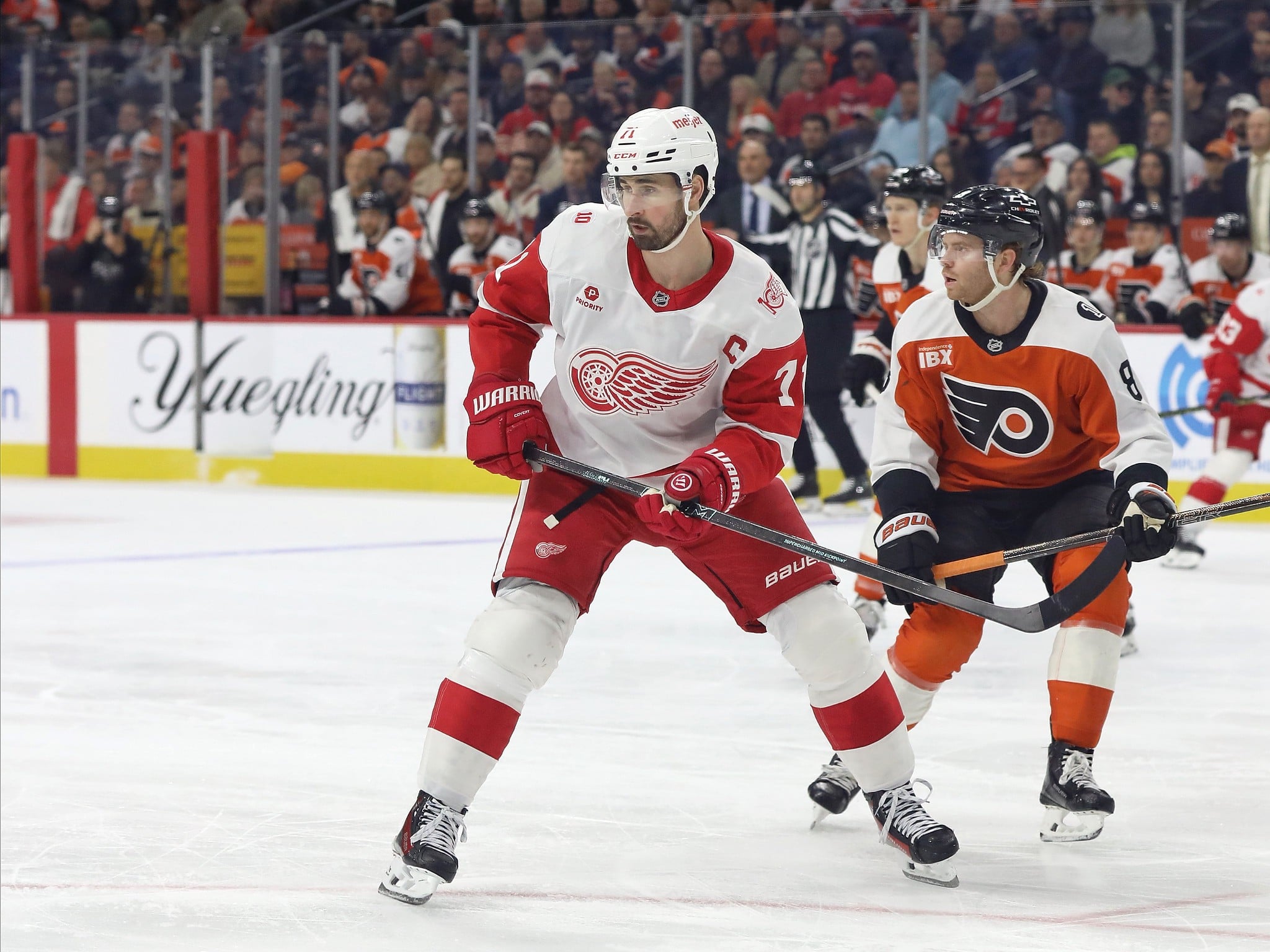
Despite these foundational issues, Yzerman adopted a deliberate, patient approach—expanding via the draft and free agency to gradually rebuild. His early drafts prioritized quantity, with four first-round and six second-round picks over three years. Yet the team’s progress stagnated. Rivals like the Montreal Canadiens, who recently overhauled their roster, surged ahead, highlighting Detroit’s stagnation. The fanbase’s patience ultimately eroded, culminating in captain Dylan Larkin’s public desire to leave—an indicator of mounting frustration with stalled momentum.

Compounding these issues was Yzerman’s management of the salary cap during the NHL’s “Flat Cap Era,” where growth stagnated due to pandemic-related constraints. While Detroit possessed significant cap space, their free agency moves lacked value. Overpaying for players like Andrew Copp ($11M annually) and JT Compher ($6.75M) contradicted their rebuilding mantra. Similarly, deals for Ben Chiarot ($4.75M) and overpaid role players like Jeff Petry and Justin Holl further strained resources, undermining long-term flexibility. Yzerman’s re-signing of core players like Larkin and Moritz Seider showed promise, but his traditional RFA strategy may no longer be viable in the current landscape.
Another accountability factor lies in the organization’s failure to unearth late-round gems. Despite Yzerman’s track record in Tampa, Detroit struggled to identify impactful undrafted or late-draft talent. Emmitt Finnie, a seventh-round pick who played regularly in 2024, stands as a rare exception. The departure of potential contributors like Dmitri Buchelnikov, Andrew Gibson, and Elmer Söderblom before they secured roster spots highlighted a broader developmental shortfall.
As the offseason enters its “dead zone,” unanswered questions loom over the Wings’ future. Will Simon Edvinsson secure a lucrative extension? Who will helm the team as GM, and how will they navigate Larkin’s uncertain status? Despite the setbacks, Detroit’s young core—featuring Seider, Alex DeBrincat, and a skilled U23 group—suggests a foundation for sustained competitiveness. While the Yzerplan era may have faltered, its lessons and assets offer a pathway toward redemption.
Also Read
- Lamine Yamal Declares 2026 Ballon d’Or Race a Two-Man Showdown Between Himself and Kylian Mbappé
- Jemima Goldsmith weds financier Cameron O’Reilly as former husband Imran Khan remains jailed in Pakistan
- Zverev Claims Current Dominance Over Sinner and Alcaraz After US Open Triumph
- Blue Jackets Invite Veteran Carson Soucy to Camp on PTO