






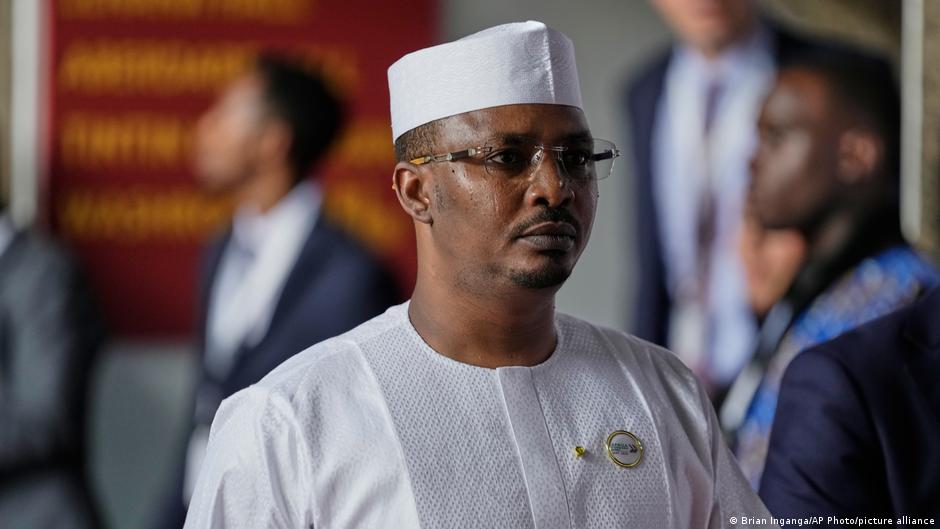
Chad’s Foreign Ministry announced on Monday its notification to the UN Secretary General of its intent to exit the Rome Statute, the legal foundation of the International Criminal Court (ICC).
This withdrawal marks Chad as the fourth Francophone African nation closely tied to its military to abandon the court in under a year, following Burkina Faso, Mali, and Niger’s exits in September 2023.
The ICC, established in 2002 to prosecute war crimes and crimes against humanity, has faced criticism over its limited and uneven enforcement, according to Chadian officials.
Chad’s Rationale for Withdrawal
The Foreign Ministry stated its decision stemmed from a comprehensive review of the ICC’s operations since 2002, highlighting its “limited and uneven effectiveness across regions.” The ministry noted that nine of 13 ICC cases since its inception involved African states, with minimal progress in non-African cases.
Chad also pointed to a perceived bias in prosecution, claiming seven detainees linked to ICC investigations were from African countries, with only one from outside the continent. The ministry urged other African Union members to consider similar actions.
“This decision does not signify an abandonment of justice for victims but reflects our belief that national and African judicial systems can fulfill this responsibility with dignity,” stated Foreign Ministry spokesperson Ibrahim Adam Mahamat.
U.S. Influence in Chad’s Decision
During recent bilateral talks between Chadian officials and a U.S. representative, the American side expressed concerns about the ICC’s functionality and encouraged Chad to reassess its commitment to the Rome Statute. Chad acknowledged the discussion but emphasized its decision was internally driven.
The withdrawal coincides with the ICC’s recent controversy over the removal of prosecutor Karim Khan due to sexual misconduct allegations.
While the U.S. has never ratified the Rome Statute, previous administrations generally supported the ICC. However, the current administration has shown stronger criticism, particularly after issuing arrest warrants for Israeli officials following Trump’s 2024 election victory.
Chad’s Political and Security Context
Chad’s government, though nominally civilian, remains dominated by a military-linked family that has governed for over three decades. Former President Idriss Deby seized power in 1990 and ruled until his death in 2021 amid disputed election results. His son, Mahamat Idriss Deby, now leads a transitional administration following a 2024 election marked by protests and opposition arrests.
Chad’s instability includes an ongoing northern insurgency and regional refugee influxes, particularly from Sudan’s conflict. The withdrawals from Burkina Faso, Mali, and Niger—all under military rule—highlight broader regional frustrations with international judicial frameworks.
To view this video please enable JavaScript, and consider upgrading to a web browser that supports HTML5 video


