






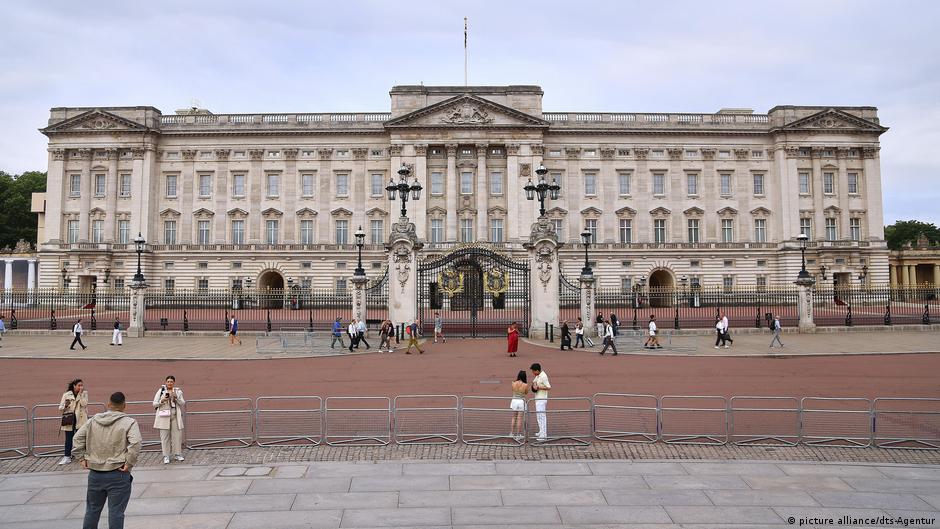
King Charles III will not reside at Buckingham Palace once its 10‑year refurbishment programme is completed next year, royal officials said on Thursday.
He and Queen Camilla will continue to live at Clarence House, his longstanding London home near the palace.
James Chalmers, the king’s treasurer and keeper of the privy purse, said Buckingham Palace would stay the primary venue for ceremonial duties and official functions, including receiving foreign dignitaries.
“It is and will remain the monarchy’s headquarters, the crown jewel of our national buildings,” Chalmers told reporters.
Buckingham Palace — the centre of the British monarchy for nearly 200 years
Buckingham Palace has served as the British monarch’s principal London residence for almost two centuries, dating back to Queen Victoria’s accession in 1837.
The 775‑room building functions not only as the sovereign’s official home but also provides office space for the royal administration and hosts lavish state dinners for visiting foreign leaders.
The palace is currently undergoing a major renovation.
Work began in 2017 and is expected to be completed next year, at an estimated cost of £369 million (≈€428.2 million, $486.7 million).
The project involves replacing ageing electrical wiring, pipes and heating systems.
Approximately 700,000 visitors tour the building each year, and officials have indicated that public access will be increased, though details were not disclosed.
Charles releases tax declaration
On Thursday, Charles made public the details of his personal tax payments to the government for the first time since ascending the throne in 2022.
Officials reported that the king paid £12.9 million in tax for the 2024/25 fiscal year.
This amount places him among the United Kingdom’s top 100 taxpayers.
Although British monarchs are not legally required to pay income, capital‑gains or inheritance tax, Charles, like his mother Queen Elizabeth II, has voluntarily disclosed his contributions since 1993, previously without revealing the figures.
Private income worth millions
The British monarch receives an annual Sovereign Grant from the government to cover staffing, palace maintenance and travel expenses.
Since 1399, however, the monarch has also drawn millions of pounds in private income from the Duchy of Lancaster estate and other investments.
Prince William, the heir to the throne, paid £7.76 million in tax for 2024/25, the authorities said.
The disclosures come as the royal family’s reputation has suffered recent setbacks linked to controversial headlines involving the former Prince Andrew, now known as Andrew Mountbatten‑Windsor, and the convicted sex offender Jeffrey Epstein.
Edited by: Sean Sinico
Also Read
- Plan International Warns Long‑Term Mental Health Effects of Venezuela Earthquake May Persist for Years
- Sandisk Stock Jumps 5,700% in a Year Amid AI Memory Demand Surge
- The Bear’s Finale Earns 97% Fresh Rotten Tomatoes Rating as Critics Celebrate Its Strong Final Season
- Wheat Futures Edge Higher on Strong Export Sales, Revised Production Forecasts


