






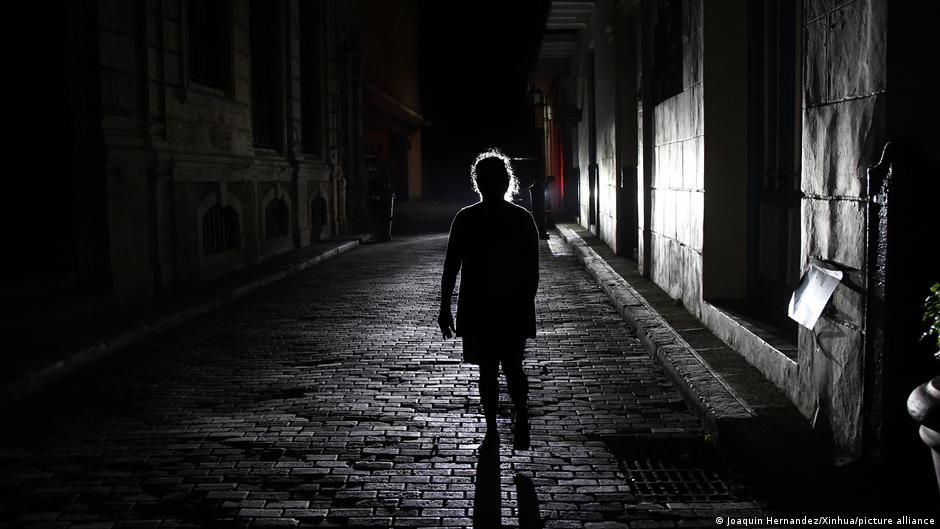
On Friday, Cuba experienced its second nationwide blackout within five days.
The country’s power grid has collapsed under a six‑month U.S. fuel embargo and long‑standing infrastructural decay.
This marks the ninth nationwide outage Cuba has faced since 2024, and the fourth occurring this year.
The state utility UNE announced on X that the national electric system suffered a total collapse at 4:30 p.m. local time (20:30 UTC).
“Recovery protocols are being activated,” the Cuban Energy Ministry stated on social media.
Cuban authorities have not yet offered an immediate explanation for the outage.
Officials linked Monday’s outage to voltage instability and insufficient generation, noting that most of the island had been restored to the grid by late Tuesday.
What’s Behind Cuba’s Energy Crisis?
Even before the recent blackouts, Cuba had been dealing with chronic electricity shortages after the United States, under President Donald Trump, halted oil shipments to the island in January, pledging to undermine the communist regime.
The action followed shortly after the United States detained Venezuelan President Nicolás Maduro and transferred him to U.S. custody, resulting in Vice President Delcy Rodríguez assuming presidential duties.
Venezuela had formerly been a chief source of oil for Cuba.
Since the blockade began, just a single oil tanker has reached Cuban ports—a Russian vessel whose cargo supplied roughly two weeks of the nation’s energy demand.
The oil restriction is layered atop the United States’ decades‑old economic embargo on Cuba.
Havana attributes its deteriorating infrastructure to the U.S. embargo, while Washington points to mismanagement of the Cuban state‑run economy.
Estimates indicate that Cuba requires more than 100,000 barrels of oil daily to satisfy its energy consumption.


