






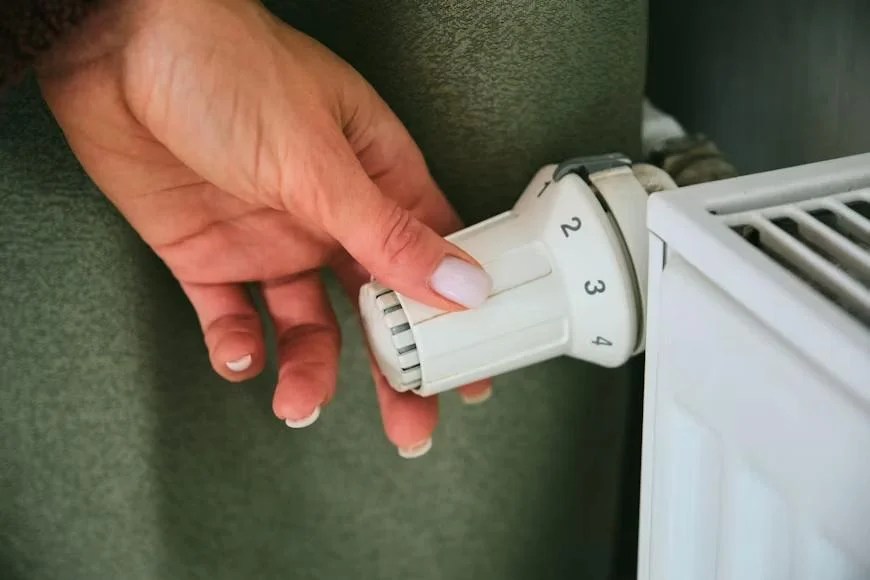
Uneven room temperatures, sluggish radiators, and odd pipe noises often signal that hot water isn’t circulating properly. Spotting the issue early can boost comfort, cut energy waste, and avoid additional strain. Straightforward inspections can pinpoint whether trapped air, low pressure, closed valves, or internal deposits are to blame.
A central heating system relies on consistent water flow to distribute heat from the boiler to each radiator. When that flow diminishes, becomes obstructed, or favors certain radiators, the house may warm unevenly and feel slow to reach comfort. The problem isn’t always the boiler; trapped air, sludge, low pressure, valve restrictions, improper balancing, or a failing circulation pump can all disrupt performance. By methodically inspecting the system, homeowners can spot basic issues, carry out safe upkeep, and know when to call a qualified heating engineer for a deeper diagnosis.
How Heating Circulation Should Work
In a wet central heating system, the boiler warms water and the circulation pump pushes it through the pipework to the radiators. Each radiator emits a portion of that heat into the room before the cooled water returns to the boiler. This closed‑loop circuit ought to deliver a steady, balanced warmth throughout the home. Poor circulation arises when water flow is impeded, pressure drops below the required level, or one path offers less resistance than another. Even a highly efficient radiator cannot achieve its rated output if the incoming flow is weak, interrupted, or unevenly distributed.
Recognise the Early Warning Signs
Circulation problems usually develop slowly, so early indicators can be subtle. You might notice some rooms heating normally while others stay cool. Radiators may lag in warming, feel cold in patches, or emit gurgling, whistling, or banging noises. The boiler may also start cycling more often as it struggles to keep up with the set temperature. Determine whether the issue is isolated to a single radiator, affects multiple units, or impacts the entire house. This distinction helps: a localized fault often stems from a stuck valve, trapped air, or a blockage, whereas system‑wide poor performance typically points to pressure or pump problems.
Check the Boiler and Heating Controls
Start with the simplest checks before handling any radiator. Verify that the heating is turned on, the programmer is set to the correct schedule, and the thermostat is adjusted above the current room temperature. Then inspect the boiler display for warning lights or fault codes. Compare the pressure gauge to the range specified in the boiler manual—low pressure can hinder effective hot‑water circulation. Avoid repeatedly topping up a system that continually loses pressure; a persistent drop may signal a leak, a defective component, or another issue requiring professional attention.
Feel Each Radiator Carefully
After the system has run long enough to warm up, carefully compare the temperature of each radiator. A cold top with a warmer bottom often indicates trapped air, since air rises and prevents water from filling the upper section. If the top is hot but the bottom remains cold, sludge or debris may be obstructing the lower channels. A completely cold radiator could point to a closed valve, a stuck thermostatic valve, an airlock, or a severe blockage. Exercise caution when touching surfaces—radiators and their connecting pipes can become hot enough to cause discomfort. If a radiator stays entirely cold, first check that its thermostatic and lockshield valves are open before concluding that the radiator itself has failed.
Remove Trapped Air Safely
Bleeding a radiator can restore circulation when air has become trapped inside. Turn off the heating and let the system cool before you start. Place a cloth under the bleed valve, insert the appropriate radiator key, and open the valve slowly until the hissing ceases and water begins to escape. Close the valve securely without overtightening. After bleeding one or more radiators, check the boiler pressure, as releasing air can lower it. If repressurisation is needed, follow the boiler manufacturer’s guidelines. Frequent re‑accumulation of air suggests an underlying fault rather than a simple, one‑time maintenance task.
Consider Sludge and Internal Deposits
Rust, corrosion by‑products, dirt, and other debris can accumulate in older heating systems. Over time, this material may settle at the bottom of radiators or narrow the internal passages within pipes and valves. If heating circulation problems persist after bleeding, sludge could be restricting flow because the issue stems from solid deposits rather than trapped air. A professional may advise cleaning the affected radiator or flushing the entire system, depending on the contamination level. Adding chemical inhibitors after cleaning and refilling can help curb future corrosion. Persistent cold spots at the base of radiators should not be overlooked, as restricted flow diminishes both comfort and efficiency.
Assess Whether the System Needs Balancing
Even with sufficient pressure and no apparent blockage, a heating system can still deliver heat unevenly. Radiators situated near the boiler often receive more flow, while those farther away warm up more slowly. Balancing involves adjusting the lockshield valves so that water is distributed more uniformly across the property. This process calls for precise temperature readings and minor valve tweaks—not simply opening every valve fully. Mis‑adjusted valves can degrade performance, so homeowners should proceed with care. When multiple radiators heat at distinctly different rates, professional balancing can enhance comfort and promote steadier boiler operation.
Understand the Role of the Circulation Pump
The circulation pump supplies the force required to move heated water throughout the system. If the pump becomes worn, obstructed, mis‑adjusted, or electrically faulty, several radiators may stay cool even though the boiler is operating normally. Pump issues can also generate unusual noises, prolong warm‑up periods, and trigger repeated boiler cycling. Because diagnosing the pump may involve electrical tests, hot water, and sealed‑system components, it is not a task for casual DIY repair. After eliminating simpler causes—such as control settings, pressure, trapped air, and valve positions—a qualified heating engineer should evaluate the pump’s performance and the overall flow circuit. Contact a professional if you notice water leaks, persistent pressure loss, a boiler fault code, or no improvement after performing safe basic checks.
Prevent Circulation Problems Returning
Routine maintenance lowers the likelihood of circulation becoming restricted again. Schedule regular boiler servicing, keep an eye on system pressure, and promptly investigate any recurring cold spots or unusual noises. Ensure radiator valves remain accessible and occasionally adjust thermostatic controls during warmer months to prevent them from sticking. Avoid placing furniture or heavy curtains over radiators, as obstructed airflow can exacerbate a circulation issue by impeding heat transfer into the room. If corrosion or sludge has been identified before, consult a qualified professional about checking the system water and inhibitor protection as part of ongoing maintenance.
Conclusion
Poor circulation can undermine even an efficient heating system, yet a systematic inspection often reveals the root cause. Begin by examining the controls, boiler pressure, radiator temperatures, and any odd noises to see whether the problem is localized or system‑wide. While bleeding radiators or performing basic checks may fix minor issues, ongoing faults, leaks, pressure loss, or suspected pump problems warrant evaluation by a qualified heating engineer. Detecting circulation issues early and maintaining the system regularly improves heat distribution, cuts energy waste, and keeps your home comfortably warm.


