







The Edmonton Oilers have bolstered their coaching staff with the hiring of Misha Donskov as a coaching consultant, a move that strengthens head coach Mike Babcock’s support structure while potentially establishing an internal path for future leadership.
Donskov, 49, will continue his role as Hockey Canada’s vice president of hockey operations and head coach of the National Men’s Hockey Team, supplementing his duties with the Oilers through selected home stands each month. Babcock emphasized Donskov’s extensive experience, interpersonal skills, and professional conduct as key to this collaboration.
While no official succession plan has been disclosed, Donskov’s growing coaching résumé and dual responsibilities suggest this arrangement could evolve into a long-term opportunity for Edmonton to nurture coaching talent internally.
Donskov’s Proven Track Record in Elite Hockey Environments
Few candidates possess the breadth of hockey experience Donskov brings to the Oilers’ organization. His career spans coaching, player development, and front-office roles across multiple high-level programs.

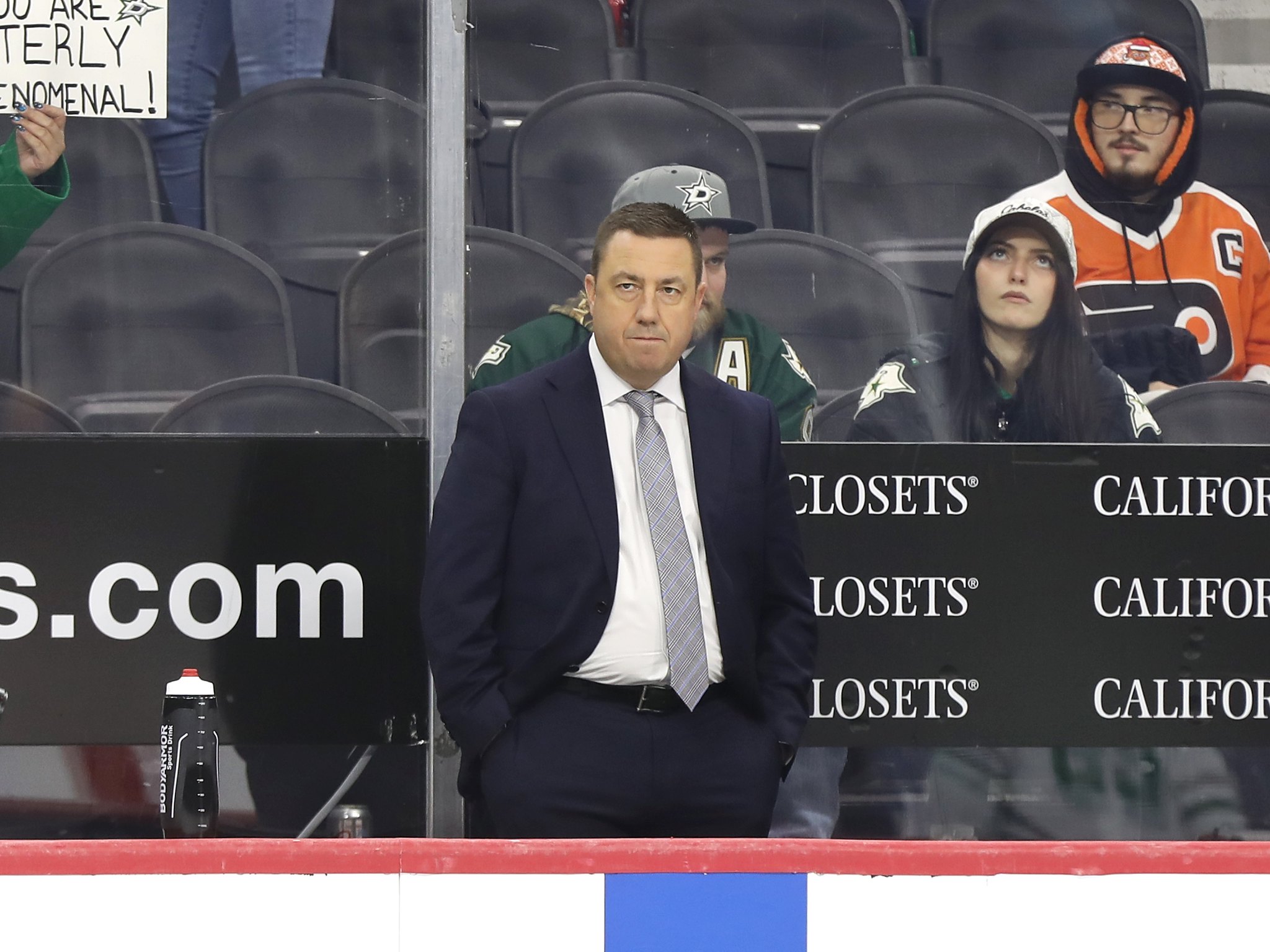
Over seven seasons with the Vegas Golden Knights, he transitioned from director of hockey operations to assistant coach, contributing to their 2023 Stanley Cup triumph. More recently, he served as an assistant coach for the Dallas Stars under Pete DeBoer (2023–2025), further honing his expertise in Western Conference competitive environments.
Donskov’s experience with two of the league’s most consistent playoff performers provides Edmonton with insights into sustainable excellence. His familiarity with organizational structures and preparation methods positions him to directly influence the Oilers’ pursuit of postseason success.
Leadership and Player Communication as Key Assets
Babcock highlighted Donskov’s interpersonal abilities as a critical factor in this hiring. Modern coaching hinges on managing diverse personalities, articulating roles, and maintaining strong relationships with star players—skills Donskov has demonstrated throughout his career.
From junior prospects to international athletes, Donskov has navigated varied environments across coaching and executive roles. Hockey Canada lauded his collaborative leadership style upon appointing him to his current position in 2025, noting his ability to integrate diverse perspectives into cohesive team strategies.
This complementary dynamic could enhance Babcock’s authority-driven methodology, offering nuanced approaches to player engagement while maintaining the organization’s core standards of accountability.
Strategic Dual Role Supports Organic Development
Donskov’s dual responsibilities create mutual benefits: Hockey Canada recognizes him as a prospective head coach, while Edmonton gains a developmental resource embedded within their organization.
His international coaching assignments—including the 2026 IIHF World Championship and 2027 World Juniors (to be held in Edmonton and Red Deer)—allow him to refine elite coaching strategies without compromising his connection to the Oilers. This flexible arrangement enables him to observe, contribute, and acclimate to Edmonton’s systems in real time.


This integration allows Donskov to form relationships with McDavid, Leon Draisaitl, and the leadership group while analyzing roster dynamics and organizational workflows—critical knowledge if a future coaching transition becomes necessary.
Evaluating Long-Term Leadership Within the Organization
While no immediate replacement is anticipated, Donskov’s trajectory positions him as a compelling internal option. His Stanley Cup victory, management experience, and growing head-coaching responsibilities with Hockey Canada establish a foundation for NHL leadership readiness.
The 2027 World Juniors, staged in Edmonton, presents a pivotal opportunity for him to demonstrate decisive leadership under pressure—a skillset directly transferable to NHL head coaching. Coupled with his evolving role within the Oilers’ structure, this creates a seamless pathway for continuity if organizational needs shift.
Preserving Success Through Strategic Leadership Continuity
Donskov’s potential ascension would mitigate the disruption typical of external hires. By learning Edmonton’s systems firsthand—whether through staff collaboration or player interactions—he could preserve effective strategies while introducing measured innovations.
This internal approach ensures institutional knowledge remains intact, reducing adjustment periods for the roster and maintaining fan and player alignment during potential transitions.
Oilers’ Investment Positions Them for Sustainable Success
While expectations for Donskov’s immediate influence remain modest due to his existing commitments, his arrival signals Edmonton’s forward-thinking approach to talent development. The organization gains an experienced advisor while simultaneously evaluating a potential future leader within its own ranks.
For a team balancing championship aspirations with long-term planning, Donskov’s dual role offers both tactical value and strategic foresight—transforming a routine coaching hire into a cornerstone of organizational resilience.
Also Read
- >James Mudryk Joins Tottenham On Loan From Chelsea
- Denny Hamlin defends Ricky Stenhouse Jr. after wrecking Ryan Blaney on final lap
- Kayle Osborne’s Stellar Campaign: New York Sirens 2025-26 Goaltender Report Card
- USMNT Forward Folarin Balogun’s Proposed Everton Transfer Collapses After Failed Medical


