






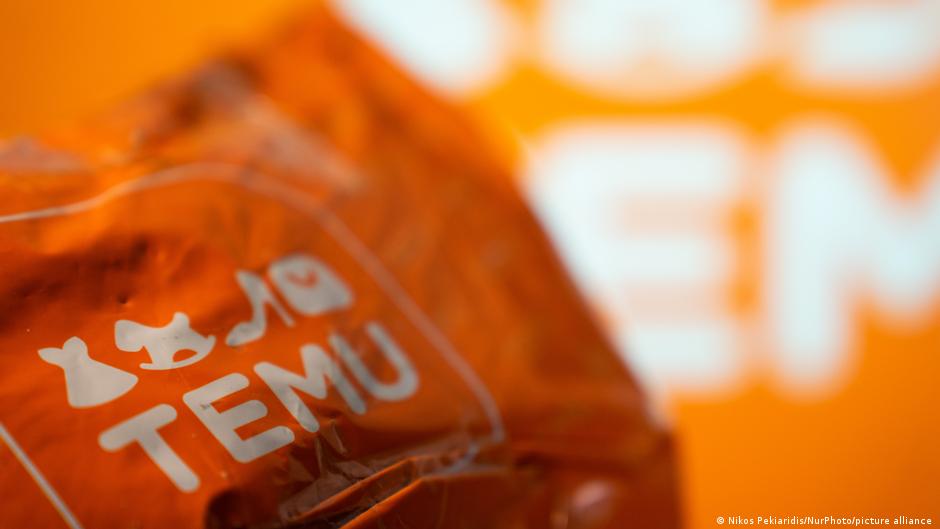
Approximately 16 million low-value packages enter the EU daily, with 91% originating from China. Many contain goods purchased by European consumers via budget Chinese e-commerce platforms such as Temu, Shein, and AliExpress. Until recently, parcels under €150 were exempt from customs duties.
To address unfair competition and protect public health, the EU has now eliminated this exemption, introducing a €3 levy on low-value imports. This measure aims to exclude non-compliant or unsafe products from entering the European market.
A New Barrier for Low-Cost Chinese Goods
Previously, the customs duty exemption cost public funds €400 million annually. By 2025, Temu surpassed Allegro as Poland’s top e-commerce platform, raising concerns about data privacy and intellectual property breaches in China-based markets.
Implementation and Future Steps
The €3 fee is temporary, set to last until July 1, 2028, while a new digital customs platform is developed. Following this, standard tariffs based on product value and origin will take effect.
A handling fee starting November 2026 will address rising customs costs as parcel volumes grow. Exact amounts remain unspecified.
“This status quo is unsustainable,” EU Trade Commissioner Maros Sefcovic stated post-discussions with China’s Wang Wentao. “We aim to rebalance trade relations, as China’s exports to the EU continue rising while our market share in China declines.”
Trade Imbalance Widens
In 2025, EU exports to China totaled €199.6 billion, while imports reached €559.4 billion, creating a €359.8 billion deficit. Researcher Rafael Jimenez Buendia of MERICS notes that China’s rhetoric on balanced trade diverges from this data trend.
China and the EU have agreed to establish a real-time trade monitoring system to address these disparities, signaling both sides’ commitment to dialogue over confrontation.
EU Legislation Under Fire
China has opposed several EU proposals, including the Industrial Accelerator Act (IAA), which would restrict Chinese companies from public funding by requiring “Made in EU” standards.
Under the draft, Chinese firms could face exclusion from European procurement projects. In sectors like solar power and EVs, foreign investors would be limited to 49% ownership and require state approval.
The German DIHK warns such measures could harm trade relations. Meanwhile, 90% of German applications for rare earth material permits are approved, per Chinese officials, indicating pragmatic cooperation despite tensions.
Rare Earths Collaboration
Despite divergent approaches, EU-China cooperation on rare earth exports has progressed. China adjusted export controls after US tariffs, ensuring supply to Europe.
Ministry of Commerce official Chen Lingyan confirmed companies can apply for rare earth export permits, with strict usage requirements to prevent resale. German Economy Minister Breitung emphasized balancing strategic partnerships with fairer trade terms.
Upcoming work-group discussions in October aim to finalize concrete agreements, with Sefcovic to visit China for further negotiations.


![Damascus Cafe Bombing Leaves 6 Dead, 22 Injured Near Government Palace]](https://i3.wp.com/cdn.i-scmp.com/sites/default/files/styles/og_image_scmp_generic/public/d8/images/canvas/2026/07/03/6f0417d0-30c0-43a5-9724-e8cba8b99501_c63023cf.jpg?itok=6gv7AKQ-&v=1783017273&w=1024&resize=1024,1024&ssl=1 "Damascus Cafe Bombing Leaves 6 Dead, 22 Injured Near Government Palace]")
