






Heatstroke begins with symptoms like headaches, dizziness, and confusion, as the body’s temperature regulation system fails, leading to life-threatening hyperthermia and, ultimately, multiple organ failure. However, Germany’s Federal Statistical Office reported an average of only 21 heat-related deaths annually between 2004 and 2014, highlighting the underreporting of such fatalities. The Robert Koch Institute (RKI) estimates that 5,120 heat-related deaths occurred in Germany by June 28, 2026—a figure derived from statistical modeling rather than direct attribution.
“This estimate is based on a correlation between historical death records and temperature data from the German Weather Service,” explains Alexandra Schneider, a meteorologist and epidemiologist at Helmholtz Munich. By comparing weekly death counts against temperature trends, researchers identified a threshold temperature (20°C weekly average) above which heat-related mortality increases significantly. In the final week of June alone, with temperatures averaging 26°C, approximately 23,600 deaths were recorded—nearly 30% higher than the 18,200 deaths typically observed during similarly warm periods in prior years. Modeling adjustments for baseline mortality at 20°C estimates 4,310 of those deaths as heat-related during that critical week.
Statistical Link Between Temperature and Mortality
The methodology accounts for variables like pollution and seasonal disease patterns, but critics note potential smoothing effects from weekly averages. “If temperatures spike unevenly within a week, daily extremes might be overlooked,” Schneider acknowledges. However, she emphasizes that 2026’s consistently high temperatures validate the estimated 5,120 heat-related deaths as accurate. This figure represents only a fraction of heat’s broader health impacts, which also link to non-fatal conditions like heart attacks and strokes.
To view this video please enable JavaScript, and consider upgrading to a web browser that supports HTML5 video
Cold Deaths Still Outpace Heat in Europe
While heat’s immediate risks dominate headlines, cold-related mortality remains higher across Europe. “Cold triggers respiratory and cardiovascular stress similarly to heat,” Schneider notes. However, rising global temperatures may reduce winter deaths in some regions. Models from the University of Heidelberg suggest that even with milder winters, the net effect of increased heat deaths outweighs any cold-related decline. “The total death toll still rises due to heat’s growing severity,” she asserts.
Heat: Beyond Direct Fatalities
Schneider stresses that heat stroke deaths barely capture heat’s full impact. “These statistical methods reveal indirect links to chronic diseases,” she explains. Research shows heat now strongly correlates with heart attacks and nighttime stroke risks. Such findings underscore the need for broader public health strategies beyond emergency care.
To view this video please enable JavaScript, and consider upgrading to a web browser that supports HTML5 video
Occupational Strain During Heatwaves
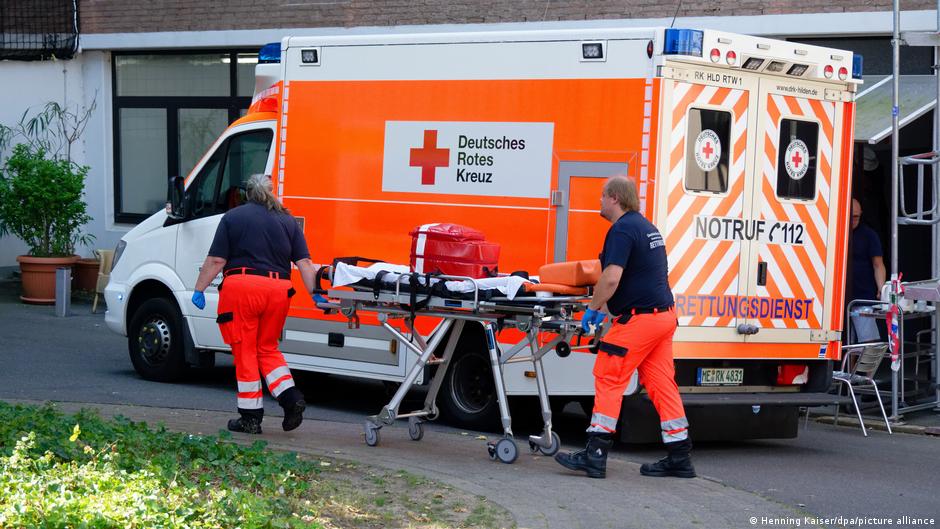
Paramedic Jonas Sonnenstuhl describes heat’s toll on emergency personnel: “Ambulances aren’t air-conditioned, and protective gear makes it unbearable. One patient—a 17-year-old with a congenital heart condition—showed severe distress, her body already nearing its limit during a heatwave.” Hospital staff face similar challenges, as many emergency facilities lack proper cooling. “We all felt the strain,” Sonnenstuhl adds, highlighting the critical need for heat resilience in public safety infrastructure.


