






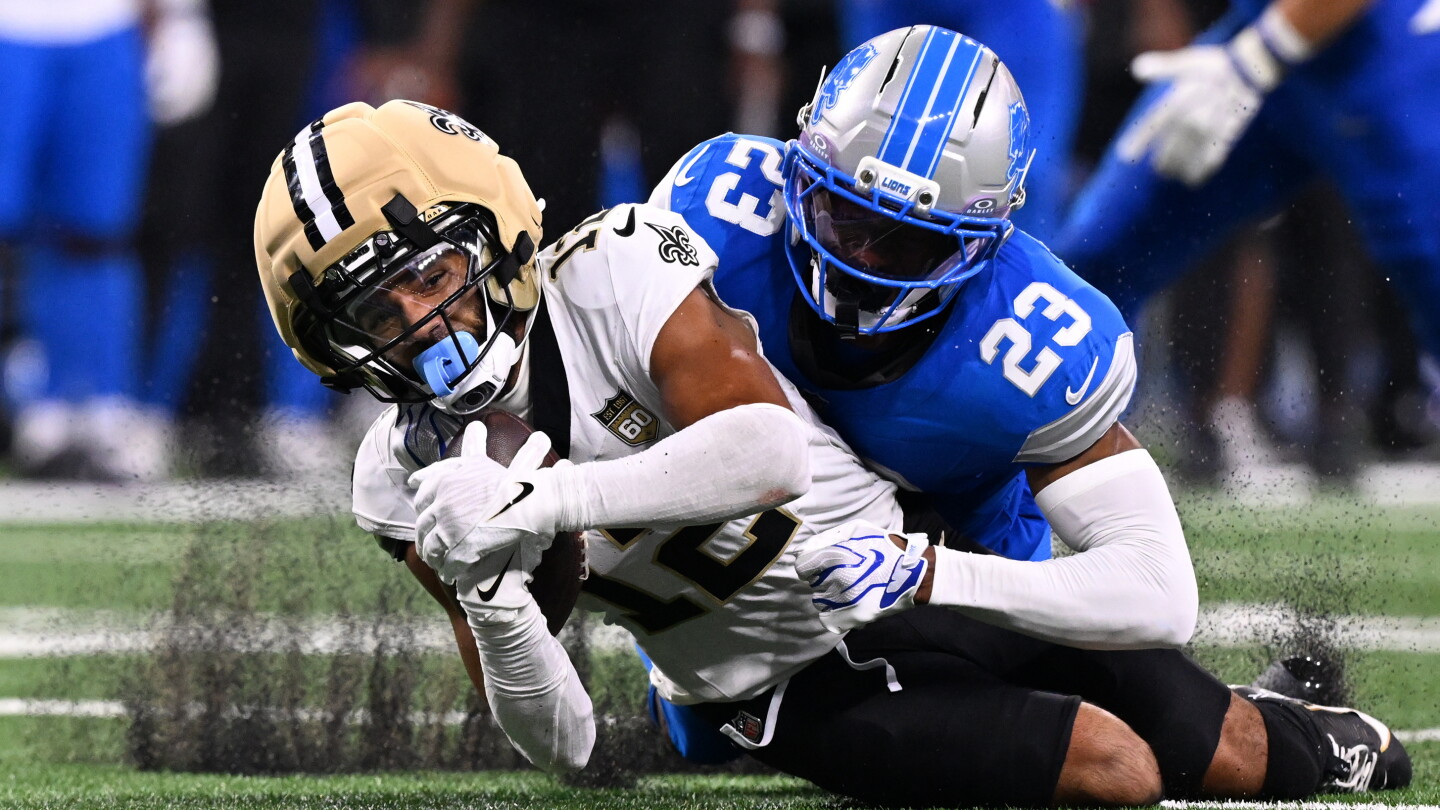
The Guardian Cap has gained traction in recent years as football equipment initially mandated for practice sessions. Increasingly, players are incorporating the device into game-day attire.
However, fundamental questions persist regarding its actual efficacy. A recent investigation by Jeff Eisenberg of Yahoo! Sports examined the science behind the product.
“The jury is out on whether the Guardian Cap is helping NFL players,” Chris Nowinski, co-founder of Boston University’s CTE Center, told Eisenberg. “We have no reason to believe it’s helping high school and college players.”
“We’ve created a sort of nightmare scenario where people strap these things on their kids’ helmets and believe they’re now safe from concussions and CTE. Nothing could be further from the truth.”
Nowinski appears multiple times in Eisenberg’s article. The piece also features NFL executive vice president Jeff Miller, who oversees both health and safety initiatives and public relations for the league.
“I see the Guardian Cap as a transitional piece of equipment,” Miller told Eisenberg. “Meaning that if the technology in the helmets continues to improve at the pace that it is right now, that will push players to the better-performing helmets, as opposed to the Guardian Cap.”
The league presumably would prefer the Guardian Cap transition out of in-game use. The device is bulky and clunky—resembling a beanbag chair with an ill-fitting slipcover. In a sport where visual presentation matters significantly for television audiences, the Guardian Cap undermines aesthetics.
If the device lacks effectiveness, the question becomes why players wear it. As one coach noted when the Guardian Cap first debuted in practice settings, it can foster bad habits and create a false sense of security. Moreover, placing a helmet over a helmet does not prevent the brain from colliding against the interior of the skull.
Nowinski appeared on the latest episode of Pablo Torre Finds Out, where he stated the Guardian Cap “appears to be a bit of a scam.”
“It’s very clear from their behavior and the conversations I’ve had with them,” Nowinski said, “they love that the public sees the Guardian Caps, because it’s basically virtue signaling.”
Some players have adopted the Guardian Cap to prevent additional concussions. Two prominent examples include Saints receiver Chris Olave and Colts cornerback Charvarius Ward. Steelers rookie receiver Germie Bernard wears one specifically to address potential long-term cognitive concerns.
“For me to play, like longevity, it’s not normal for our brains to be rattled for 10-plus years,” Bernard said in August. “So that is something that can help me in the long run. That’s how I look at it.”
Nevertheless, their brains remain vulnerable. Like the small ball inside a rattle, the brain continues to move within the skull.
Modern players generally understand the risks and accept them. A recent report by Kevin Seifert and Stephen Holder of ESPN included quotes from various players regarding their willingness to play pro football in exchange for what it gives them.
However, not all players grasp the full extent of these dangers. Chris Johnson was “shocked” to discover the connection between football and ALS following his diagnosis.
As Peter King explained on a special edition of #PFTPM discussing his new book, The Game, fans, media, and players must reconcile their love for football with its inherent risks. The game will always endure, populated by young men unafraid to put on a helmet and engage in physical confrontation.
Yet there will also always be the Chris Johnsons, the Steve Gleasons, and other individuals who develop serious neurological conditions prematurely or spend their later years confronting dementia and related disorders.
This reality could shift once CTE becomes detectable in living patients. Even then, the supply of twentysomethings willing to assume these risks will likely continue to exceed demand.


