






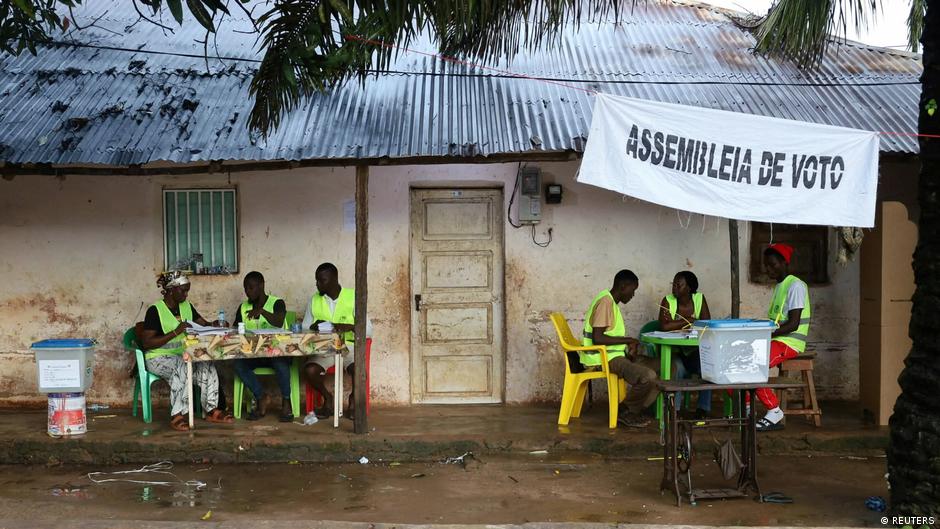
Guinea-Bissau voted on Sunday in a referendum on whether to grant the president expanded authority as the nation prepares to shift from military to civilian rule.
The small West African state, home to roughly 2.2 million inhabitants, has been under military control since last November after a contested election.
What will the referendum decide?
Guinea‑Bissau’s junta has unanimously endorsed a constitutional amendment that would replace the current parliamentary framework with a presidential system.
Under the existing arrangement, the prime minister is drawn from the parliamentary majority.
The proposed amendment would empower the president to appoint and dismiss the prime minister and to dissolve parliament.
If adopted, the new constitution would reduce the number of parliamentary seats from 102 to 65.
The junta argues the change is intended to stabilise institutions ahead of the presidential and parliamentary elections slated for 6 December, which are meant to return power to civilian hands.
Opposition groups, however, have urged voters to boycott the poll, warning that it would enable the junta leader to entrench his rule and describing it as a “source of political instability at all levels.”
When are the results due?
Polls close at 1700 GMT on Sunday, with the first provisional results expected from Tuesday.
One of the world’s poorest nations, Guinea‑Bissau has endured five coups and numerous coup attempts since 1974.
A military takeover occurred in November after a disputed election in which former President Umaro Sissoco Embaló and opposition candidate Fernando Dias each claimed victory.
Following the 2023 legislative elections, Embaló dissolved the opposition‑dominated parliament, citing what he described as an attempted coup.
Edited by: Natalie Muller
Also Read
- What new tariff walls in U.S.-Canada trade war mean for the economy’s critical metals
- Man Pretending to Be 49ers Player Orchestrated $1.3 Million Romance and Investment Fraud Scheme
- Google Maps Updates U.S. Display to Show ‘Lake America’ Following Trump Executive Order
- Passenger Catamaran Capsizes Off Northern Cyprus, Dozens Killed and Missing


