






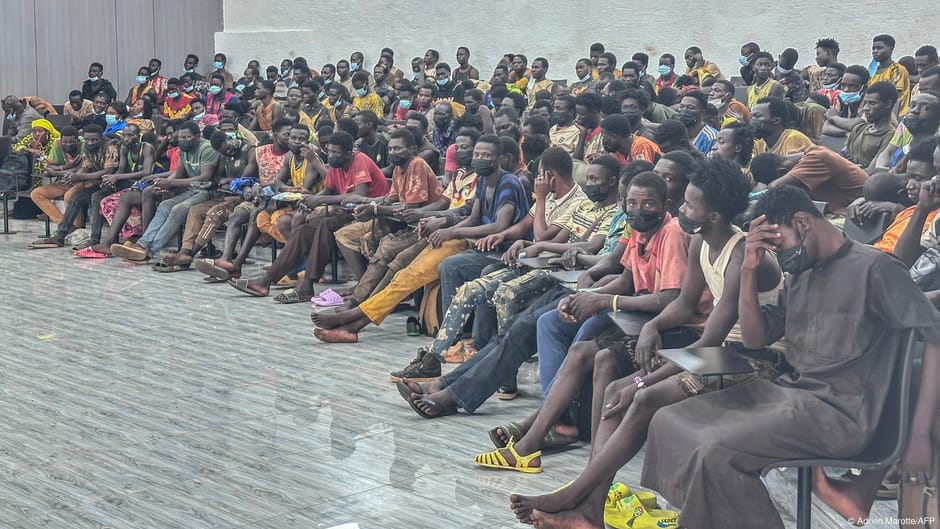
Guinea on Tuesday sentenced 22 former regional administrators to two years each and 202 others, including several foreign nationals, to three years in prison for illegal gold mining in the northeastern Siguiri region.
What happened in the gold mining trial in Conakry?
Conakry’s Court for the Repression of Economic and Financial Offenses convicted the former Siguiri officials of complicity in environmental degradation, deforestation and water pollution, sentencing each to two years in prison and a fine of 10 million Guinean francs (≈€1,025 or $1,125). The 202 alleged illegal miners, many of them foreign nationals, received three‑year prison terms and were ordered to pay a total fine of 10 billion Guinean francs.
Foreign nationals among the convicted were additionally banned from Guinean territory for ten years.
Why is Guinea cracking down on illegal mining?
The Guinean government launched a crackdown earlier this month to curb illegal gold mining, citing the need to protect farmland, rivers and other ecosystems from damage.
Efforts to enforce the ban turned violent last week, with clashes between protesters and security forces in the northeast resulting in ten deaths and thirteen injuries.
More than 1,200 artisanal miners were arrested in Siguiri in November, and many others have crossed the border into Mali. Malian authorities report that roughly 160,000 people have entered the country after being driven out of Guinea’s gold‑rich border regions, awaiting repatriation to their homes in Burkina Faso.
Also Read
- Pakistan and Turkmenistan Prepare TAPI Steering Committee Meeting to Strengthen Regional Cooperation
- Qatar Warns Gulf Escalation Threatens Nuclear Diplomacy, Announces Talks with Iran
- United Airlines Resumes Operations After 90-Minute Delay Caused by Weight-Calculation System Issue
- Saudi Arabia’s Delta Energy Considers $30 Billion Push Into Pakistan’s Energy Sector


