






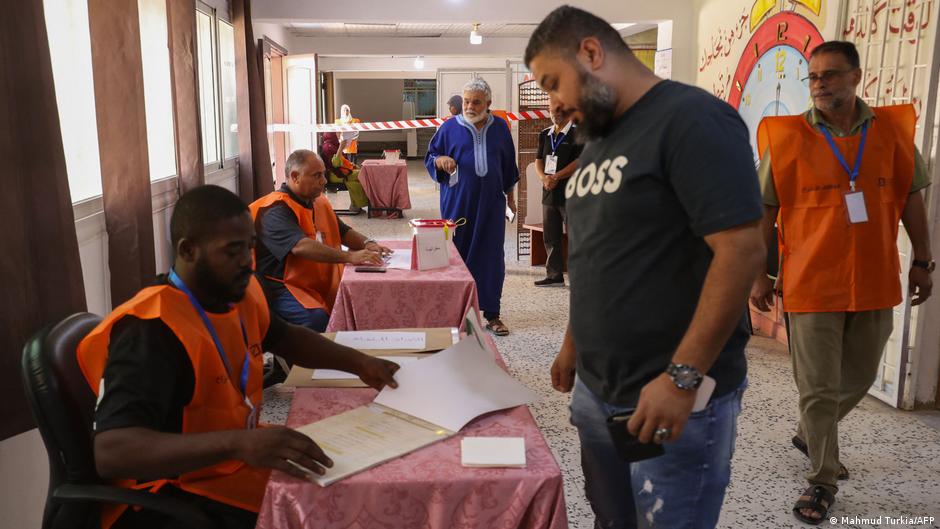
Previous attempts at reconciliation have fallen short, but this time, mediators and stakeholders express cautious optimism about a lasting resolution. Thanks to United Nations mediation, opposing governments in Libya’s east and west have agreed to hold parliamentary and presidential elections within the next two years.
“This agreement represents a significant milestone in Libya’s journey toward national elections and the conclusion of its transitional period,” stated the UN Support Mission in Libya (UNSMIL) in an official release.
Key provisions include restructuring the electoral commission and resolving prior disputes over legal frameworks necessary for conducting the vote. However, questions remain about whether these measures will lead to genuinely free and fair elections.
Decade of Division
Following Muammar Gaddafi’s overthrow in 2011, Libya fractured into two rival governments. Since 2014, the UN-backed Government of National Unity has operated from Tripoli in the west, while the eastern-based House of Representatives governs from Tobruk. Prime Minister Abdul-Hamid Dbeibah leads the west, and former warlord Khalifa Haftar commands the east, each backed by local militias and foreign supporters in a prolonged struggle for control.
“The status quo was unsustainable,” noted Andreas Dittmann, a conflict expert at the University of Giessen. He emphasized growing domestic and international recognition that Libya’s future requires unifying all factions rather than sustaining division.
Failed Pledges of the Past
Michael Bauer of Germany’s Konrad Adenauer Foundation cautions that the agreement’s success hinges on enforceability. “Past agreements in Libya were rarely honored,” he explained to DW. The U.S. approach differs, focusing on elite negotiations between Dbeibah and Haftar families—a strategy Bauer questions regarding democratic legitimacy.
Recent developments include Haftar’s son Saddam meeting U.S. Secretary of State Marco Rubio in Washington. While UN processes emphasize inclusivity, American efforts prioritize elite deals, raising concerns about transparent electoral outcomes.
Power-Sharing Concerns
Chatham House warns that allocating ministerial positions among elites risks perpetuating corruption rather than establishing democratic governance. The eastern population, concentrated in resource-rich regions, faces potential marginalization in any unified system. Dittmann notes that democratic elections could shift power toward western populations, who form the majority.
Russian influence grows in the east while Turkey backs western forces. Long-term success requires addressing systemic dysfunction rather than merely scheduling elections. As Bauer emphasizes, meaningful change demands dismantling entrenched corruption networks that benefit from current instability.
Embedded video — Libyan coast guard abuses spotlight EU anti-migration policy
To view this video please enable JavaScript, and consider upgrading to a web browser that supports HTML5 video
Also Read
- Togo Provisionally Releases French Filmmakers and Local Fixer After Detention
- Brazilian Stocks Surge Past Nasdaq-100 Year-to-Date Performance, Drawing Heavy Options Activity
- Renewed Iran Conflict Puts Trump Back in a Familiar Strategic Posture
- Southwest Unveils First Airport Lounges and Premium Credit Card Initiative for 2027


