







This World Cup has already showcased its biggest stars, and on Friday night two of them are set to clash in a highly anticipated showdown.
As Messi and Ronaldo close their World‑Cup careers, the current generation’s leading scorers—Kylian Mbappé and Erling Haaland—continue to dominate the headlines.
The new headline‑grabbing rivalry, reminiscent of the Messi‑Ronaldo clash, is playing out on the World Cup stage for the first time.
In Group I’s final match, Norway faces France—both already through to the knockout round. Managers may consider resting these prolific forwards after they each recorded double‑goal performances in their first two group fixtures.
With the Golden Boot still within reach, leaving these goal‑hungry stars on the bench seems unlikely.
Both Haaland and Mbappé have amassed more than 250 career goals before the age of 30, placing them among Europe’s elite scorers.


Erling Haaland and Kylian Mbappé are the two outstanding goal threats in world football
Unlike the historic Messi‑Ronaldo rivalry of their Barcelona and Real Madrid years, this budding contest lacks the same intensity, partly because the stars now compete in separate leagues.
Nevertheless, the two remain neck‑and‑neck at the apex of modern football, each claiming a European Golden Shoe. Mbappé boasts more domestic titles, while Haaland has collected a greater number of trophies across multiple leagues.
Mbappé has lifted the World Cup, whereas Haaland’s biggest triumph remains the Champions League—a competition the French forward has yet to conquer.
In the Champions League scoring charts, the two rivals are also vying for the top spot.
Although Mbappé has a higher goal tally to date, Haaland entered the World Cup scene later; he was still playing domestically in Norway while Mbappé had already progressed to PSG.
This does not diminish Haaland’s standing; he currently holds the best goals‑per‑game rate in World Cup history.
Moreover, Mbappé’s international record is impressive: a 16‑goal haul in 16 World Cup matches equalled Miroslav Klose’s record, which is now held by Messi.
Haaland, meanwhile, netted four goals in the tournament’s first two matches, becoming only the second player of the current century to score multiple goals at his inaugural World Cup appearances, following Harry Kane.

If Haaland maintains his two‑goal‑per‑game pace and plays every match, he could surpass Klose’s record with 16 goals by the final—unlikely but plausible.
While Haaland’s sample size is modest, it’s clear that both players are poised to shatter existing scoring records.
Mbappé is expected to usurp Messi’s World Cup goal record in the long run, perhaps even this summer.

But Haaland could reach that benchmark if Norway qualify for the next three expanded World Cups by the time he turns 37.
With 59 goals for Norway, Haaland trails Mbappé’s 60 France goals by a single tally, despite having played 48 fewer internationals.
Ronaldo’s Champions League scoring record of 140 is also at risk; Mbappé is halfway there before 28, and Haaland is just 13 goals shy, even though he is two years younger.
A further point of comparison lies in the distinct playing styles: Messi (left‑footed, technically gifted) versus Ronaldo (right‑footed, physically imposing).
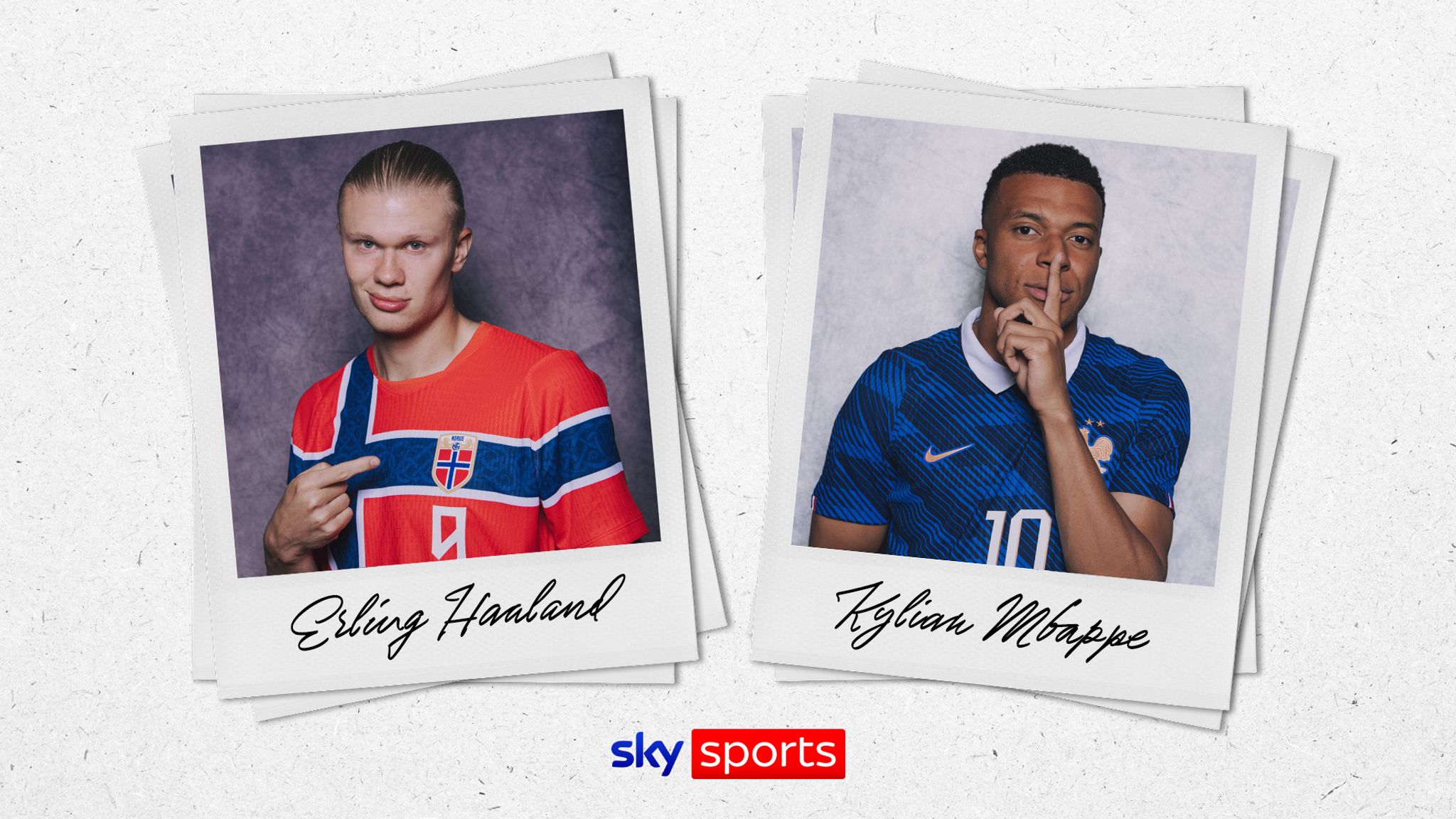
Mbappé and Haaland will be rivals for some time
Mbappé’s game is built on pace and versatility, allowing him to challenge defenders around the pitch and score from any position—evidenced by long‑range goals against Senegal and Iraq.
Conversely, Haaland’s power lies in his clinical finishing inside the box, complemented by his robust physical presence.
Determining a ‘better’ player is subjective; the sensible approach is to appreciate both talents while they are still active, before new stars emerge.


![Mavericks Acquire Sergio De Larrea at No. 25 in Trade-Up Move]](https://i1.wp.com/cdn-media.theathletic.com/cdn-cgi/image/width=1200,height=630,fit=cover/Z8wkoK02ohtT_2va2td02V16p_1440x960.jpg?w=1024&resize=1024,1024&ssl=1 "Mavericks Acquire Sergio De Larrea at No. 25 in Trade-Up Move]")


