




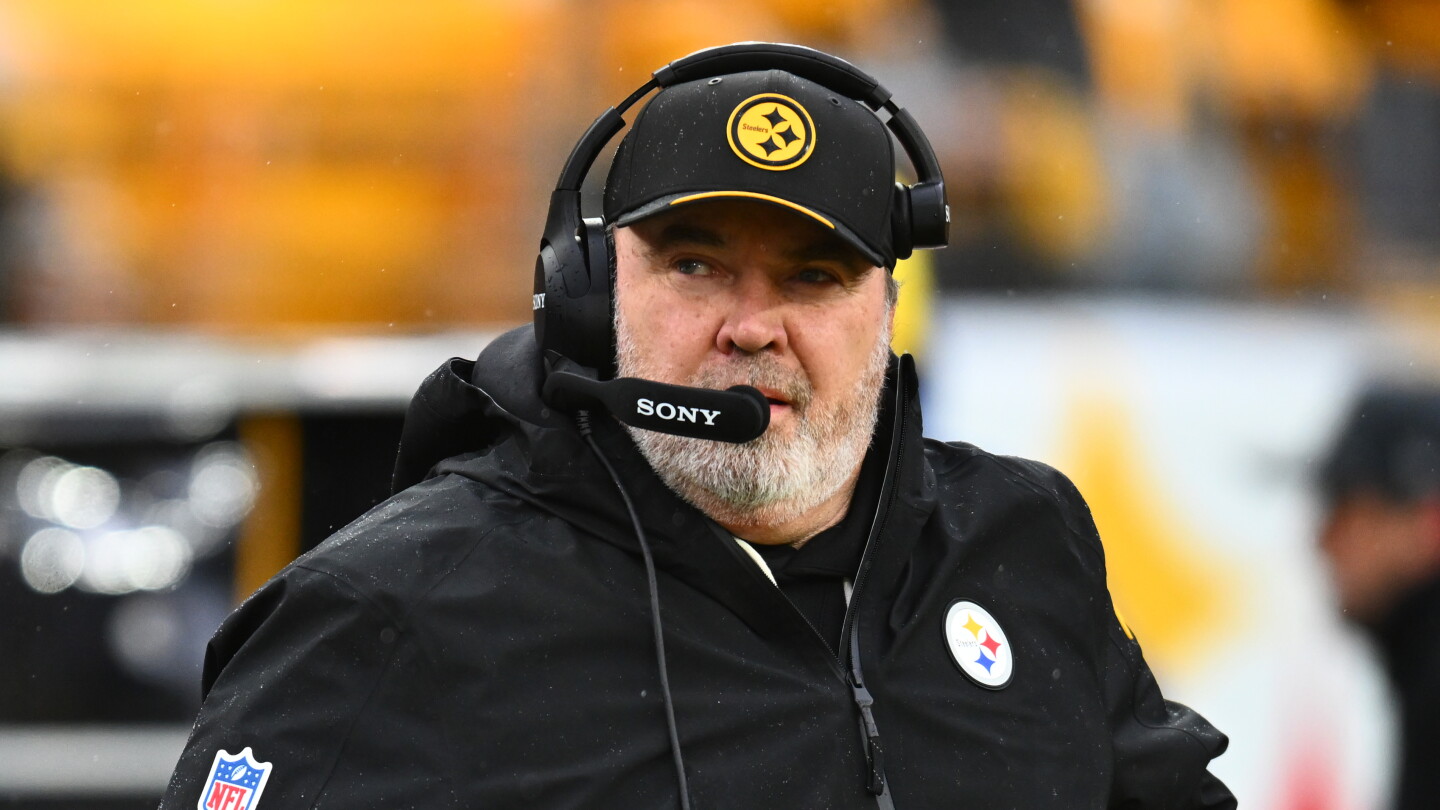
After an improbable 27-5 victory over a Broncos team that entered the game at 8-2, Steelers coach Mike McCarthy was not angry, resentful, or defiant.
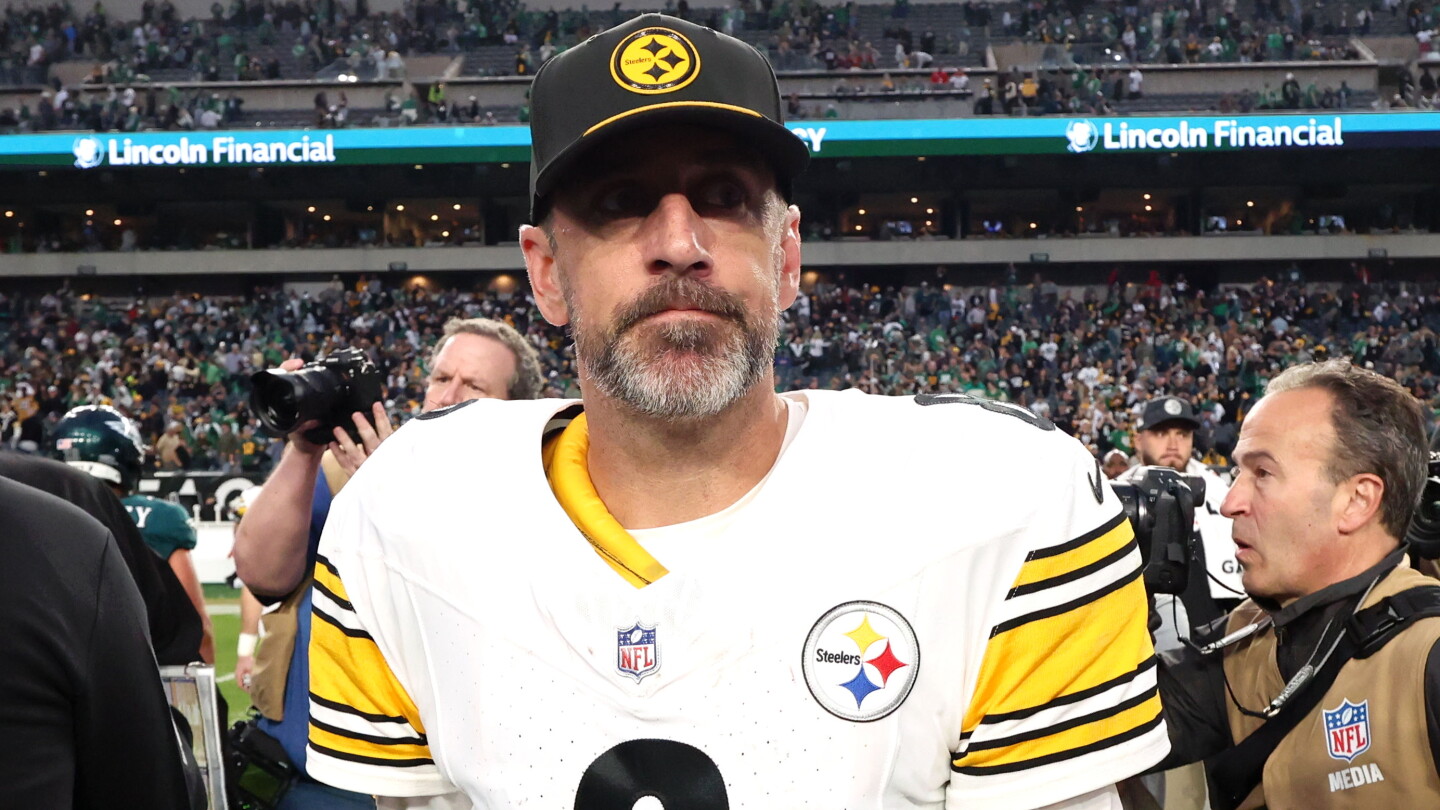
He was the same person he has always been, and he acknowledged that—as former Steelers quarterback Aaron Rodgers said this week—he has not been sufficiently invested in the side of the ball outside his own area of expertise.
“I have not spent enough time with the defense,” McCarthy told reporters. “You know, and that’s something that, as far as job responsibility, job description, you know, these are things that’ll be looked at in the offseason. But, you know, it’s a point in our year where we’re making adjustments and definitely conscientious of it. But at the end of the day, we have to all do our jobs and make sure we’re giving the players the plan and all the other things that they need that we can perform and play with that type of urgency, physicality that we played today.”
McCarthy prefaced his comments with a lesson he learned as a boy growing up in Pittsburgh.
“My father used to tell me all the time as a kid, ‘You tell the truth, you only have to tell your story once,’” McCarthy said.
The truth is that this week produced two sharply different versions of reality, and both can be true. First, McCarthy—like everyone—has flaws. Second, Rodgers should not have spoken about them publicly.
Rodgers clumsily defended his decision to break the code of a football locker room by texting Al Michaels: “The code or sanctity exists to protect the integrity of the locker room, not to provide immunity from accountability for its leadership.”
That is fine, but how does disregarding the “sanctity” of the locker room—a word Rodgers undoubtedly chose in response to Tom Brady using it on Thursday—create “accountability”? McCarthy is accountable to team owner Art Rooney II, not to the media or the fans.
Also, who decides when breaking the code is justified in the name of “accountability” to people to whom McCarthy is not directly accountable? There is no tribunal to which Rodgers can apply for permission to disregard the privacy of a football team’s inner workings. He took it upon himself.
And to what end? He was either doing it to help the Steelers save their season, or he was lashing out.
Readers can decide which explanation is more likely.