




In January, Jeff La Marca received a prescription for the popular weight‑loss drug Zepbound, but the $750 monthly cost was out of reach.
Medicare later introduced an 18‑month pilot offering GLP‑1 medications for just $50 a month to select enrollees, giving La Marca hope of affordability.
“I thought, ‘Thank goodness, there’s a way forward,’” La Marca said, noting he resides in Basking Ridge, New Jersey, and has tried countless diets and exercise routines.
His optimism was short‑lived.
His application to the pilot was denied.
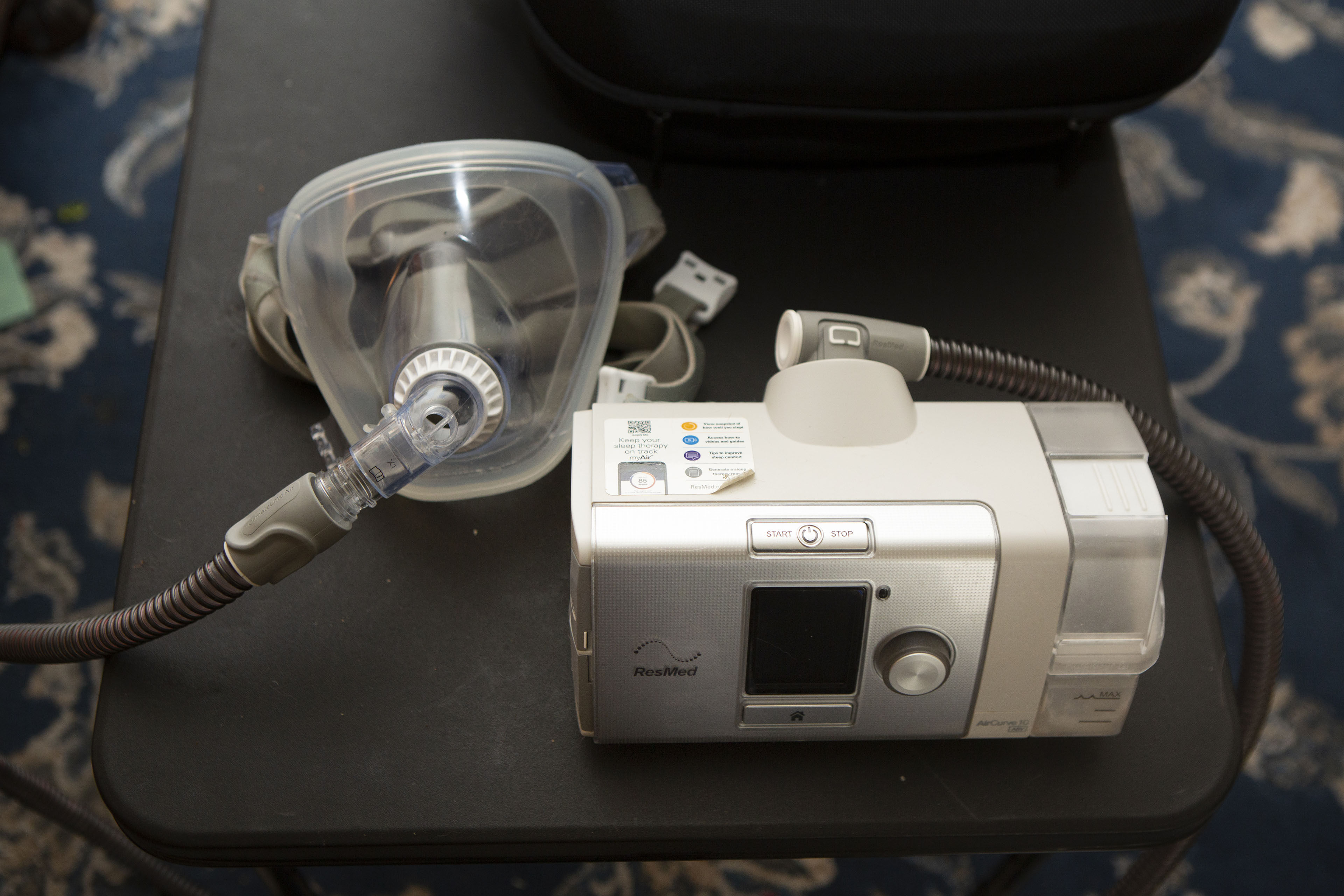
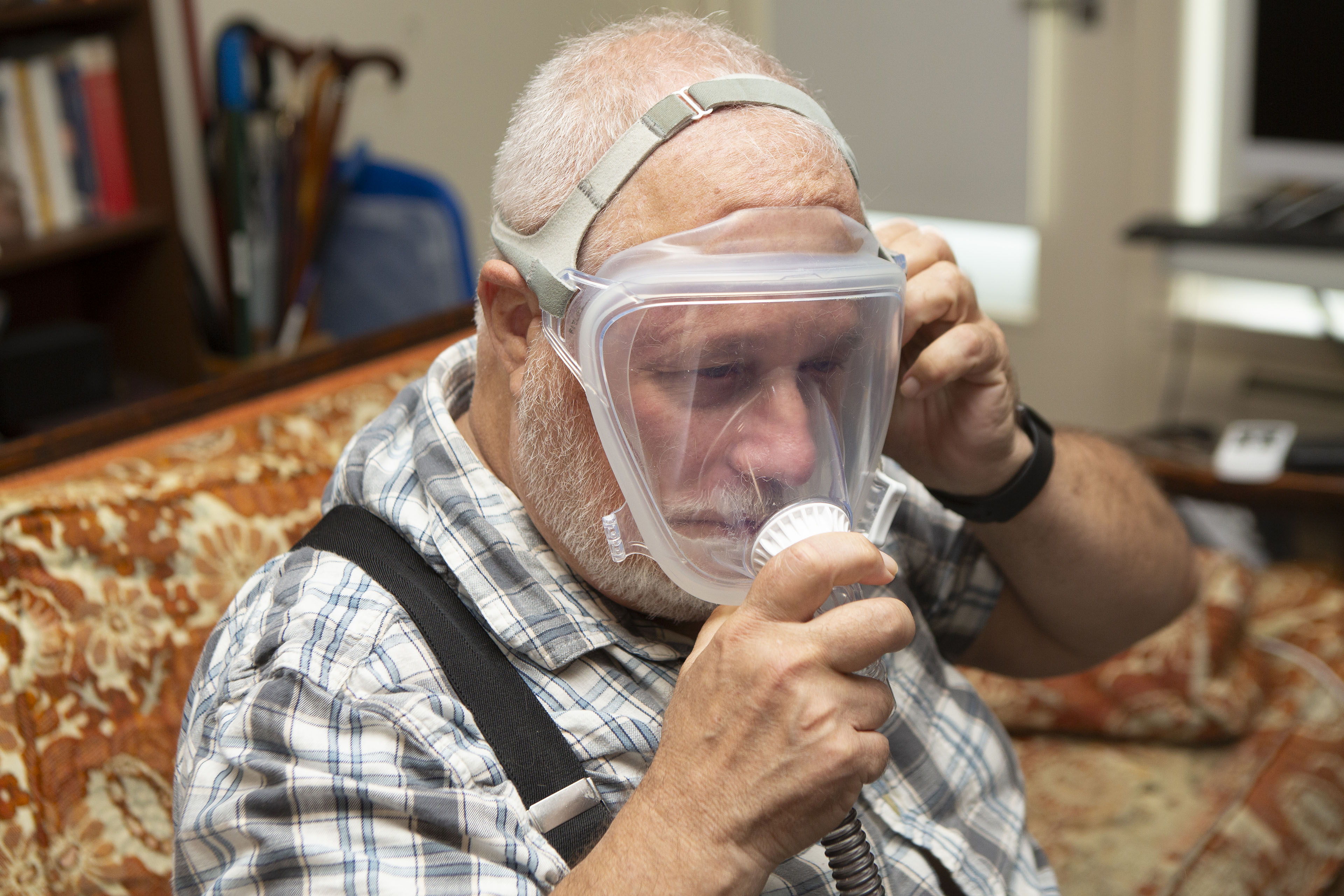
La Marca suffers from severe obstructive sleep apnea, one of several conditions that disqualify patients from the Bridge program’s $50 monthly rate. The denial notice gave no explanation, and he believes he would qualify based on his weight alone if not for the sleep apnea diagnosis.
“I’m obese, morbidly obese with a BMI of 42. I’ve had quadruple heart‑bypass surgery, I’m at risk for stroke, and I’m prediabetic. Yet I can’t get the drug. I’m furious,” he said.
A Temporary Patch for a Long-Standing Gap
About one in five U.S. adults have used a GLP‑1 medication, and most, even those with insurance, say the drugs are hard to afford. Because federal law prohibits Medicare from covering drugs prescribed only for weight loss, the Medicare GLP‑1 Bridge program attracted attention when it launched in July.
It is a short‑term pilot in which Medicare provides coverage of three GLP‑1 agents for weight loss and management to test whether the approach could save money later. To qualify, patients must be enrolled in Medicare Part D, the prescription‑drug supplement to Medicare. Although Part D insurance is required, the pre‑authorization request is sent to a separate contractor‑run system for the Centers for Medicare & Medicaid Services, not to the insurer.
The pilot covers Wegovy, the KwikPen version of Zepbound, and the oral drug Foundayo.
Under the pilot, many Medicare beneficiaries with a BMI of 35 or higher — the top tier of obesity — are eligible for one of these drugs if prescribed. Those with a BMI between 27 and 34 may also qualify if they have additional health issues such as prediabetes or cardiovascular disease.
Buried in the fine print is a rule that trips up patients like La Marca: the $50 Bridge price applies only to people using the drug solely for weight loss. Anyone with an FDA‑approved indication for GLP‑1s — such as type 2 diabetes or moderate‑to‑severe obstructive sleep apnea — is redirected back to their standard Medicare Part D plan, where copays can run into the hundreds of dollars per month.
“The Bridge program aims to help those who cannot obtain GLP‑1 coverage through Part D but would benefit from using the medication for weight loss,” said Juliette Cubanski, director of the Medicare Policy Program at KFF, the health‑information nonprofit that includes KFF Health News.
The eventual cost to Medicare will depend on enrollment numbers; the federal government has not yet released an estimate.
Cubanski projects that 3.8 million people meet the eligibility criteria. If one‑quarter enroll and stay on therapy for the full 18 months, the program could cost Medicare roughly $3.3 billion; a three‑quarter uptake could push the expense toward $10 billion.
Expanding the program to cover the additional 5.9 million overweight individuals who already qualify for GLP‑1s under Part D would add billions more to the total cost.
Early weeks of the demonstration have been encouraging, with most prior‑authorization requests completed in under 12 hours, according to CMS spokesperson Timothy Foster.
“This has enabled thousands of eligible beneficiaries to obtain GLP‑1 medications for weight loss at pharmacies across the country,” Foster said.

GLP-1s Aren’t Covered
Patients like La Marca find themselves in a difficult position: they qualify for Part D coverage of a GLP‑1 but face considerably higher cost‑sharing.
“Coverage doesn’t always equal affordability,” said primary‑care physician Taylor Lacy, who calls herself a strong advocate for GLP‑1s and practices at Sunflower Medical Group in Roeland Park, Kansas.
The Bridge program is overlooking patients with the greatest medical need, Lacy observed. She noted that many Medicare beneficiaries already endure prior‑authorization hurdles and spend months trying step‑therapy alternatives — often cheaper — before finally receiving approval, only to discover at the pharmacy that their GLP‑1 copays can reach $200 to $600 a month, or more.
Research on how Medicare insurers handle GLP‑1s shows that patients have experienced higher out‑of‑pocket expenses and that virtually all plans now require prior authorization, complicating access.
Chris Bond, a spokesperson for the insurance industry group AHIP, attributed the problem to drug‑makers’ pricing, saying “they alone set the prices and they alone can lower them.”
La Marca’s insurer declined to comment on the specifics of his case.
Left Waiting
For now, La Marca’s GLP‑1 prescription remains unfilled. The severe sleep‑apnea diagnosis that substantiates his medical need also bars him from the discount program that would lower the price.
As he reviewed his appeals and hit dead ends, La Marca paused, eyes welling with frustration.
“This has become my mission, because it’s my sole opportunity to improve my health,” he said. “I’ve tried everything else.”
Also Read
- Biomarker-Driven Strategies and Multidisciplinary Care in Modern Gastric Cancer Treatment
- S&P Warns European Insurers of Growing Claims Risk from Heatwaves and Aging Population
- UT Dallas Engineers Cut Dental Crown Production Time From 100 Hours to Under 30 Minutes
- HHS Seeks Public Input on Overhaul of Federal Vaccine Recommendation Categories