






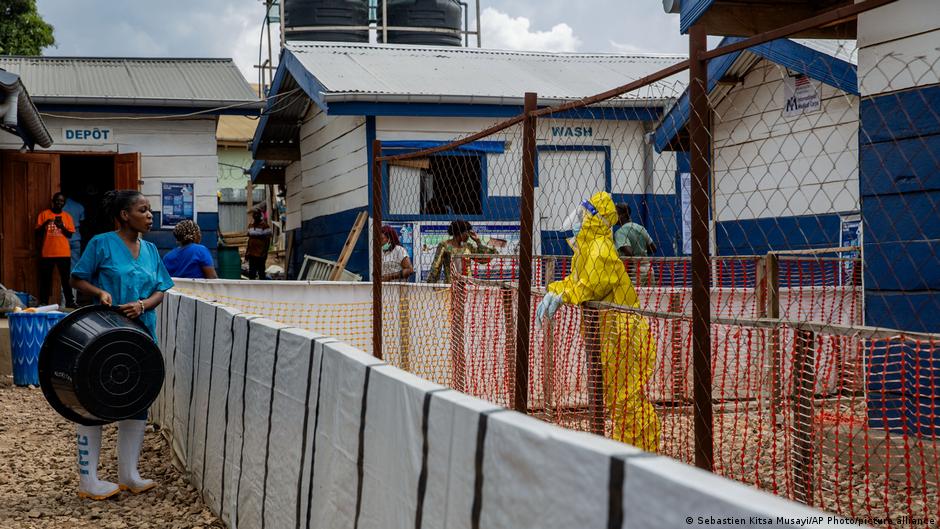
Nigeria’s health authorities confirmed the nation’s initial Ebola infection, identified in the capital Abuja. The case involves a woman who had recently traveled from Uganda, where the virus is endemic, and who tested positive after showing symptoms.
The diagnosis follows a rapid response by the Nigerian government and health agencies. Health Minister Muhammad Ali Pate reported that the patient first exhibited signs of illness on October 7 and was admitted to a private Abuja hospital on October 11. According to officials, 44 contacts have already been traced and are being monitored.
“We are doing everything possible to contain this case by tracing all contacts the individual may have had,” Pate stated. The country’s Ebola task force, established in June, is coordinating containment efforts, emphasizing early detection, isolation, laboratory testing, infection control, and protection of health‑care workers.
Nigeria’s Center for Disease Control has been tightening surveillance since the first cases were reported in neighboring Kenya, upgrading the nation’s preparedness for a potential outbreak. The agency highlighted its focus on rapid identification, safe isolation, thorough contact tracing, risk communication, and safeguarding medical personnel.
President Bola Tinubu’s chief of staff, Femi Gbajabiamila, warned that the government is determined to avoid a repeat of the chaotic response seen during earlier regional outbreaks. “We have covered a lot of ground and established structures to address any potential threat,” he said at the task‑force launch.
Congo’s Ebola crisis: Fear, mistrust and a growing outbreak
To view this video please enable JavaScript, and consider upgrading to a web browser that supports HTML5 video
What do we know about the Nigerian case of Ebola?
Health Minister Muhammad Ali Pate said that the patient was a woman who had “recently arrived on an international flight from Uganda.”
She first began to exhibit symptoms on October 7, and was admitted to a private Abuja hospital on October 11, before being tested and diagnosed with Ebola. He said authorities had already begun tracing 44 people identified as contacts of the patient.
“We are doing everything possible to contain this case by tracing all contacts the individual may have had,” he said.
Nigeria’s Center for Disease Control said two weeks ago that it was stepping up surveillance after the first recorded cases in Kenya, saying it was improving the country’s preparedness for a possible outbreak.
“These efforts have focused on early detection, isolation and referral, laboratory diagnosis, infection prevention and control, contact tracing, risk communication and protection of healthcare workers,” the agency said.
Nigeria created an Ebola task force in June.
“We do not want a repeat of what happened during the last outbreak when a carrier entered the country, and everyone was scrambling to respond,” Femi Gbajabiamila, chief of staff to President Bola Tinubu, said when the task force was announced. “We have covered a lot of ground and established structures to address any potential threat.”
Over 9,000 cases in current outbreak, the fastest-growing on record
While Ebola does not spread as readily as highly contagious viruses like influenza or COVID‑19, it is considerably more lethal to those who contract it.
The current outbreak, involving the lesser‑known Bundibugyo Ebolavirus strain, has resulted in more than 9,000 confirmed cases and over 4,300 deaths, yielding a fatality rate near 50 %.
Almost all cases and fatalities remain concentrated in the Democratic Republic of Congo (DRC), despite the disease’s spread to neighboring nations. Kenya reported its first cluster of nine infections this month, all linked to a single index case that later died; authorities say there is no evidence of broader transmission beyond that group.
Uganda, bordering the Ituri province epicenter in the DRC, recorded 20 cases and two deaths earlier this year. After reaching the WHO’s 42‑day clearance threshold, the country was declared Ebola‑free in late August. However, Nigeria’s confirmed case, linked to travel from Uganda, could jeopardize that status.
This year’s outbreak is already the second‑largest on record and the fastest‑growing, though improved testing and diagnostics may also be contributing to the higher counts. In contrast, the 2014‑2016 West African epidemic spanned roughly 30 months and produced about 28,500 cases and 11,300 deaths.
Did Ebola start spreading before officials even knew?
To view this video please enable JavaScript, and consider upgrading to a web browser that supports HTML5 video
Edited by: Sean Sinico
Also Read
- Cattle Maintain Wednesday Gains as Feeder Contracts Lead Rally
- block at absolute beginning, followed immediately by rewritten content. No internal thinking, no intro notes.
- Young Indians Challenge Democratic Decline in Nationwide Protests
- Elon Musk’s SpaceX–Tesla Merger: What Lies Behind the Speculation?


