






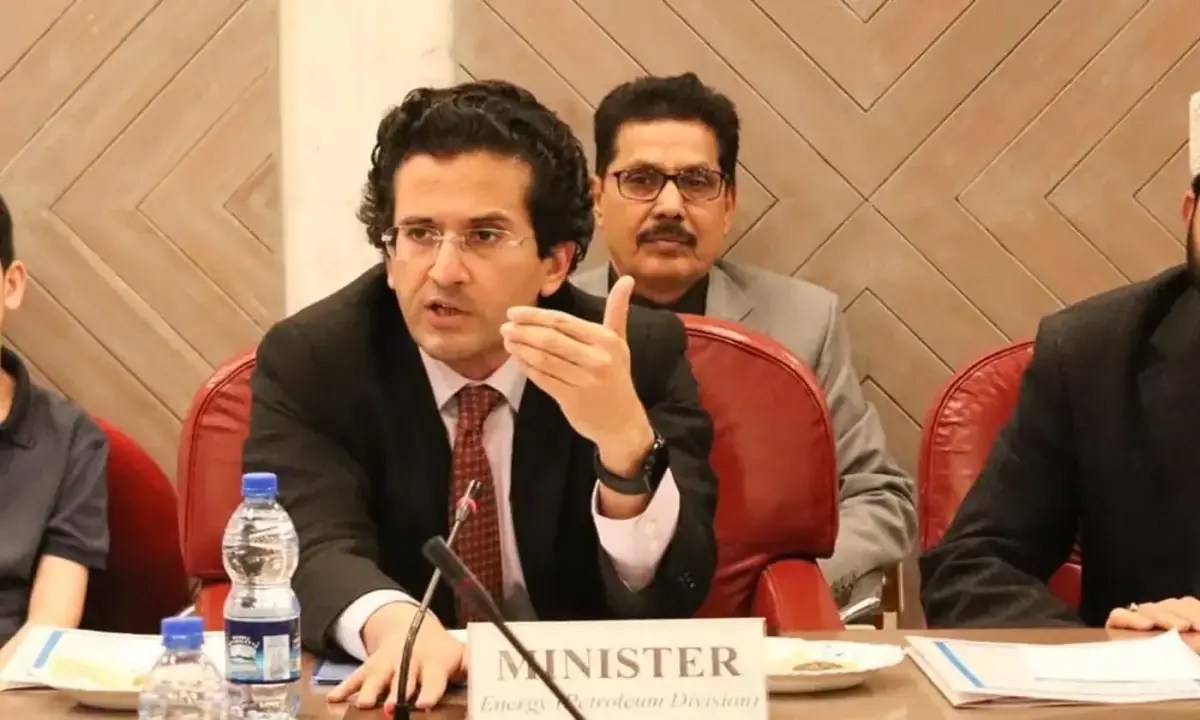
Petroleum Minister Ali Pervaiz Malik on Saturday rejected accusations that the government is favoring any particular sector or imposing an undue burden by leaving petrol and diesel prices unchanged “until further orders”.
On Friday night, the authorities maintained the retail price of petrol at Rs 299.50 per litre and high‑speed diesel (HSD) at Rs 311.47 per litre.
In a post on X, the minister shared a table showing international crude prices for the previous week. According to the data, petrol crude ranged from $90.36 to $98.35 per barrel between June 22‑26, while HSD traded between $104.79 and $109.09 per barrel.
“The government is neither giving preference to any sector nor imposing any undue burden on another,” he said.
He added that the government is committed, within the limits of its international obligations, to pass any benefits on to consumers.
Highlighting past actions, Malik noted that Prime Minister Shehbaz Sharif had already reduced diesel and petrol prices by Rs 200 and Rs 155 per litre, respectively.
The minister’s comments come amid criticism that the government has not further lowered petroleum product prices.
“Despite international oil prices returning to pre‑war levels, petrol in Pakistan still costs around Rs 300 per litre. Why isn’t the benefit passed to the people?” former Sindh governor Mohammad Zubair asked.
PTI leader Haleem Adil Sheikh argued that fuel prices have fallen globally, yet Pakistan’s government has not conveyed any relief to the public, accusing it of protecting vested interests.
Journalist Zahid Gishkori summed up the reaction, saying, “Oil companies, tanker owners, and big dealers win while the public loses.”
Last week, Prime Minister Shehbaz Sharif announced a Rs 74 cut to petrol and a Rs 67 reduction to HSD, reflecting the benefit of declining global oil prices.
Petrol primarily serves private transport, small vehicles, rickshaws and two‑wheelers, affecting middle‑ and lower‑middle‑income households. Diesel, used in heavy transport, power plants and large generators, also has broad public impact.
The ongoing energy crunch, triggered by the US‑Iran conflict and the Strait of Hormuz blockade, led the government to adjust petroleum prices weekly on Friday nights.
Fuel prices peaked on April 3, when the government raised petrol by Rs 137.24 per litre and HSD by Rs 184.49, reaching Rs 458.4 and Rs 520.35 per litre, respectively.
Following public outcry over those hikes, Prime Minister Shehbaz Sharif swiftly reduced the petrol price to Rs 378 per litre by slashing the petroleum levy by Rs 80 per litre.
Also Read
- Kyiv University Launches Russian Studies Program Focused on Understanding Adversary Amid War
- Hong Kong Celebrates 50th Anniversary of International Dragon Boat Races with Record Attendance
- Venezuela Earthquake Death Toll Rises to Over 900 as Rescue Efforts Continue
- Burkina Faso ends diplomatic ties with France, terminating key security partnership


