






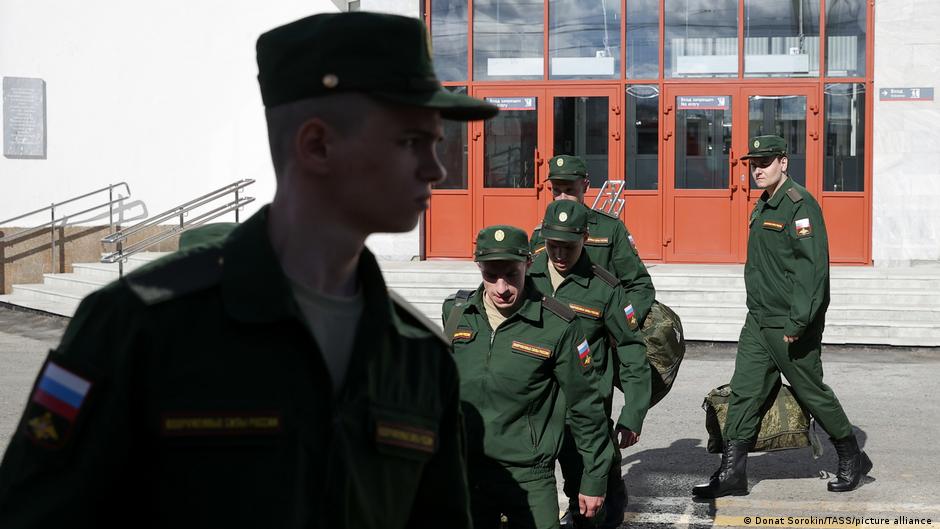
Russian President Vladimir Putin has downplayed speculation about a potential nationwide mobilization, calling such rumors “complete nonsense” and an “information attack” during separate public remarks on September 1 and September 3. Speaking at the Economic Forum in Vladivostok, Putin asserted that “there is no scenario today that would require mobilization,” though his statements have done little to quell public anxiety.
Military Summons Fuel Public Anxiety Across Russia
In response to DW’s Russian service inquiries, numerous citizens expressed concern after receiving official summons for document verification from local military enlistment offices. One reader from the industrial city of Naberezhnye Chelny reported that his nephew had been called in for such a procedure. Another individual, identified as Maxim, revealed he received a notice despite being self-employed and unsure how to proceed.
A third account detailed how a schoolteacher friend was summoned via the government’s online portal, Gosuslugi, on July 9 to update personal records. These interactions have prompted fears among many Russians that they might soon be drafted or restricted from leaving the country—anxiety driving some to seek emigration urgently before any formal restrictions are imposed.
“One acquaintance of mine left Russia two months ago after receiving a summons for data verification,” shared one correspondent.
Unwilling soldiers: A stealth mass draft starting in Russia?
To view this video please enable JavaScript, and consider upgrading to a web browser that supports HTML5 video
Emigration Seen as Unrealistic by Some
However, not all respondents believe fleeing the country is viable. One reader commented, “As for leaving, that’s a fantasy. Where would you go, and more importantly, with what money?”
This skepticism echoes broader concerns raised earlier this year when reports surfaced from the Penza region detailing forced conscription tactics. Local journalists noted that men were often apprehended near their homes—sometimes while intoxicated—and forcibly taken to military offices by unknown individuals or vehicles linked to regional authorities. Lena Lemyasova, a reporter with the investigative outlet Important Stories, described how detainees were occasionally transported directly to military units without prior notice to families.
Important Stories is known for its investigative work, with its publisher Roman Anin having previously worked at the independent newspaper Novaya Gazeta.
Legal Perspectives on Mobilization Orders
Lawyer Artem Klyga clarifies that receiving a summons for “data verification” does not automatically mean imminent deployment. Such notices serve primarily administrative functions but could streamline future conscription if mobilization is ordered. He emphasized that these actions reflect heightened readiness rather than active drafting.
Nevertheless, reports suggest a surge in preemptive mobilization orders issued since early 2026—an uptick described by attorney Timofei Vaskin as unprecedented in scale. While precise numbers remain classified, anecdotal evidence points to a dramatic increase, raising speculation about underlying preparations.
Meanwhile, Russia’s 2022 decree on partial mobilization remains officially in effect.
Can Russians who flee partial mobilization come to Germany?
To view this video please enable JavaScript, and consider upgrading to a web browser that supports HTML5 video
Kremlin spokesperson Dmitry Peskov continues to dismiss rumors of renewed mobilization efforts as “fake stories.” Yet critics point out inconsistencies in his earlier reassurances—particularly just days before the announcement of last year’s partial mobilization, when he stated: “At the moment, this is not being discussed.”
Demand Grows for Mobilization Preparedness Experts
Recent trends further underscore mounting concerns. As of August 8, job platform HeadHunter listed dozens of openings seeking specialists in “mobilization preparedness,” concentrated mainly in Moscow and St. Petersburg. These roles typically involve drafting contingency plans for wartime operations and emergency protocols.
Advertised by both private firms and state entities, the positions highlight systemic adjustments underway across sectors. Analysts interpret this movement as part of a wider effort to brace institutions for possible escalation.
“Bureaucrats have been instructed to prepare the system for any decision Putin might make,” explained lawyer Artem Klyga. “Should mobilization commence, they’re expected to respond swiftly.”
Last month, independent media tracker Agentstvo reported over 197 relevant vacancies nationwide, alongside thousands more tied to military registration updates—an indication of widespread institutional anticipation.
Edited by: Carla Bleiker
Also Read
- Gambia President Calls for Unity Amid Persistent Power Cuts and Escalating Protests
- Redefining Political Boundaries: How ‘Right’ and ‘Left’ Function in Contemporary Israel
- Should You Buy Intel Stock After a Nearly Fourfold Year?
- Biotech Stocks Surge to 52-Week Highs on Favorable Trial Outcomes and FDA Approvals


