






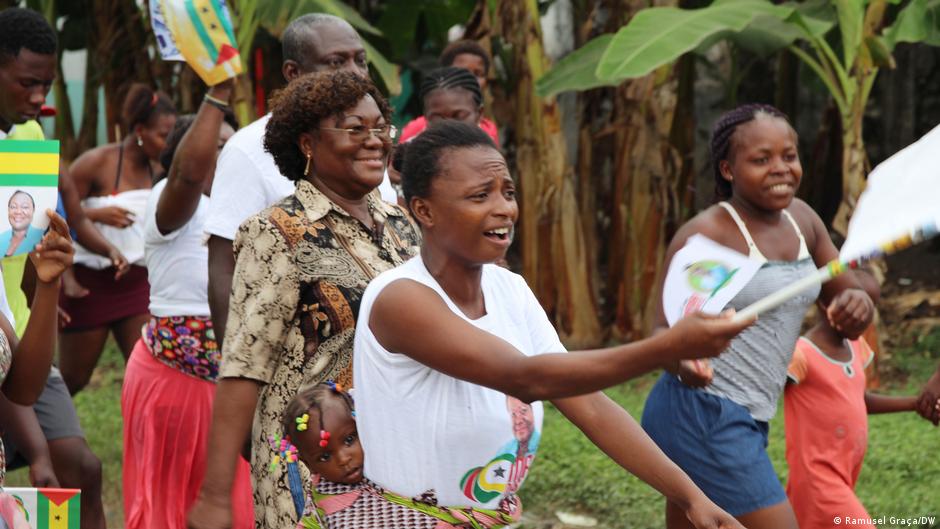
Voters in Sao Tome and Principe prepare to elect a new president on Sunday, with parliamentary elections scheduled for late September. The island nation’s political events are pivotal domestically while drawing increasing international scrutiny.
The country’s strategic location in the Gulf of Guinea has gained renewed geopolitical attention since signing a military cooperation agreement with Russia in April 2024.
The central question revolves around Russia’s intentions: whether it seeks to expand Atlantic influence through the archipelago, or if the deal is symbolic, reflecting Sao Tome and Principe’s longstanding policy of diversifying international partnerships.
Strategic Significance Beyond Size
On July 12, the former Portuguese colony marked 51 years of independence. Despite being one of Africa’s smallest nations, its equatorial position in the Gulf of Guinea grants strategic value. Major shipping routes, oil and gas reserves, and rising security challenges like piracy and organized crime underscore the region’s importance.
“Sao Tome and Principe’s geographical location makes it strategically significant,” former Foreign Minister Elsa Pinto told DW. “Commercial and military routes traverse our waters, and historically, our archipelago served as a bridge between Africa and South America.”
Pinto emphasized the nation’s enduring strategic role, from sugar production to cocoa exports and its historical ties to the transatlantic slave trade.
Russia’s Military Deal and Global Reactions
The military agreement with Russia, signed in spring 2024, sparked international attention. It encompasses military training, arms cooperation, intelligence sharing, and naval and aerial exchanges, alongside a separate pact with Russia’s Interior Ministry.
The deal emerged amid Russia’s war in Ukraine, raising concerns in Europe and the U.S., historical partners of the nation. Then-Prime Minister Patrice Trovoada defended it, stating, “We are an independent and sovereign country. No one dictates our relations with Russia.”
Timing Over Substance?
Political analyst Arzemiro dos Prazeres argues the agreement’s impact has been overstated. “The deal remains largely unimplemented,” he noted. “The controversy stemmed from its timing, not its substance.”
He compared it to similar agreements with the EU, Brazil, and Portugal, suggesting the criticism was disproportionate. Unlike Mali or Niger, where Russia focuses on security operations, Sao Tome and Principe’s value lies in its Atlantic positioning.
Preserving Multipolar Diplomacy
Pinto rejects claims of a Western pivot, asserting, “We maintain ties with the U.S., Europe, Russia, and China.” The nation’s foreign policy adheres to non-interference and multilateral principles, prioritizing development and stability.
She anticipates minimal foreign policy shifts post-elections, emphasizing continued cooperation with diverse partners. Since independence in 1975, Sao Tome and Principe has evolved from Soviet alignment to a multiparty democracy with broad international engagement.
Incumbent Frontrunner Carlos Vila Nova
Four candidates compete in the presidential race, with incumbent Carlos Vila Nova leading after former PM Jorge Bom Jesus withdrew. Vila Nova’s campaign centers on unity, while rivals advocate generational change and policy debates.
Analyst Prazeres predicts a first-round victory. The president’s powers include appointing the prime minister, vetoing legislation, and commanding the military. The EU has deployed an observer mission to ensure transparency.
Small Nation, Global Stakes
While debates persist over the Russia deal’s implications, international interest in Sao Tome and Principe grows. The nation seeks investment and security cooperation, leveraging its stability and strategic location.
Forced from Kidal: Why Russia’s reach in Africa is waning
To view this video please enable JavaScript, and consider upgrading to a web browser that supports HTML5 video
The elections underscore how even small states navigate great-power competition. For Sao Tome and Principe, maintaining balanced diplomacy is key to preserving its autonomy and developmental goals.


