



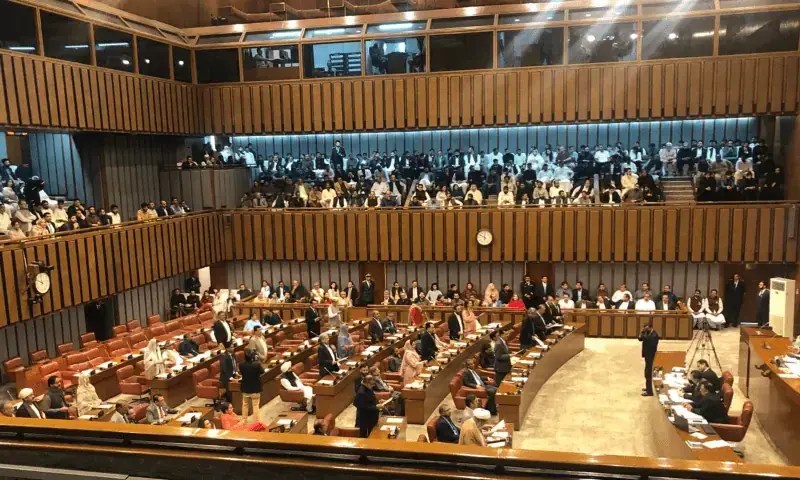
ISLAMABAD: The Senate recently approved key recommendations for the FY2026-27 federal budget, focusing on enhancing affordability for low-income households and addressing energy costs. These proposals, introduced by the Senate Standing Committee on Finance and Revenue, aim to balance economic growth with social equity.
A motion led by Committee Chairperson Saleem Mandviwalla outlined the plan, which was finalized and presented to the Senate for adoption. Under constitutional procedures, the National Assembly (NA) will now review the recommendations before the budget’s final approval. However, these suggestions remain non-binding and subject to parliamentary discussion.
The Senate’s recommendations encompass a wide array of fiscal and policy adjustments, including:
- Raising the income tax exemption threshold for low-income earners
- Adjusting tax rates for salaried workers impacted by inflation
- Expanding social protection initiatives for disadvantaged families
- Reducing general sales tax on essentials like food, medicine, and educational materials
- Refraining from introducing new taxes on basic necessities
- Allocating funds to lower electricity rates
- Creating a transparent strategy to cut capacity payments and circular debt
- Offering subsidies for households with low energy consumption
- Reducing tariffs and duties on agricultural inputs such as fertilizers and machinery
- Boosting investments in water conservation and agricultural research
- Increasing funding for public hospitals and primary healthcare services
- Expanding financial support for higher education, scholarships, and vocational training
- Making all tax exemptions and concessions publicly accessible
- Mandating regular parliamentary reports on public debt and major expenditures
- Cutting non-development spending where feasible
- Developing a medium-term plan to address fiscal challenges
- Simplifying tax procedures for small and medium enterprises
- Providing favorable financing options for industries that create jobs
- Allocating resources for flood control, drought prevention, and climate-resilient infrastructure
- Revisiting proposed tax measures on essential goods and salaried workers, advocating for a broader tax base through reduced exemptions and improved tax enforcement