



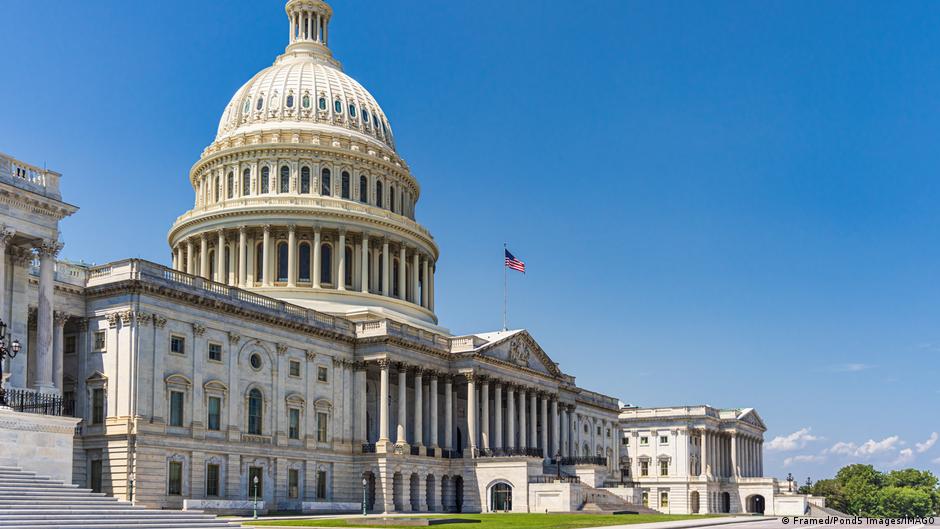
Women constitute roughly 51% of the United States population, yet they hold only 28.4% of seats in Congress. Despite this disparity, the current count of 152 women serving in the House and Senate represents a historic high. Similarly, 14 women now serve as state governors—28% of the total—also a record.
Multiple structural and cultural factors sustain this gap. “Some of them are structural: There are rules and processes in place in our political system that make it harder for any newcomers to break in,” explains Kelly Dittmar, director of research at the Center for American Women and Politics (CAWP) at Rutgers University. “Historically, women were newcomers.”
Senate seats are contested only every six years, while House members face voters every two years with no term limits, allowing incumbents to entrench themselves for decades. Campaign financing presents another hurdle. U.S. elections are extraordinarily expensive, and women have traditionally lacked access to the wealthy donor networks—predominantly male—that fuel competitive races. Party leaders, also mostly men, tend to recruit male candidates. Cultural biases further compound the problem: “Stereotypes and expectations about what women can and should do,” Dittmar notes.
The upcoming midterm elections will determine whether female representation expands or contracts. All 435 House seats and 35 of 100 Senate seats are on the ballot, alongside 36 gubernatorial races.
House of Representatives: Democratic Women Outnumber Republicans Three to One
Of the 435 House members, 125 are women. The partisan split is stark: 95 are Democrats, 30 Republicans. This pattern holds in the Senate and governor’s offices as well.
“There is a far less robust support infrastructure for women within the Republican Party,” Dittmar observes. Organizations dedicated to recruiting, training, and funding female candidates operate almost exclusively on the Democratic side or as nonpartisan entities. Additionally, “A lot of the [Republican] party leaders don’t see an electoral incentive or pressure” to elevate more women. Democratic voters prioritize diversity more heavily, rewarding gender representation at the ballot box.
Republicans currently hold the House majority, giving them control of the speakership—a position held by Mike Johnson. Only one woman has ever wielded that gavel: Nancy Pelosi, who served as Democratic Speaker from 2007 to 2011 and again from 2019 to 2023.
Senate: An Even Steeper Climb
Women hold 27% of Senate seats—16 Democrats and 11 Republicans. Each state elects two senators to six-year terms, with only a third of the chamber up for reelection every two years. Senators represent far larger constituencies than House members.
The Senate poses distinct challenges. “With the Senate, it’s an opportunity and timing issue,” Dittmar says. Infrequent openings limit entry points for women without prior Senate experience. Statewide campaigns are also costlier than House races, and research shows female candidates typically possess less personal wealth than male opponents.
This cycle could make history in Minnesota. If Democrat Peggy Flanagan prevails, she will become the first Native American woman in the Senate. Flanagan, a member of the Ojibwe (Chippewa) nation from the Great Lakes region, currently serves as lieutenant governor. Polls show her leading Republican Michele Tafoya, a former sportscaster and conservative operative.
The Prospect of a First Black Woman Governor
Among the 14 current female governors, ten are Democrats and four Republicans. Six are seeking reelection, including Arkansas Governor Sarah Huckabee Sanders, who served as press secretary during Donald Trump’s first term.
For the first time, a Black woman could win a governorship. In Minnesota, Governor Tim Walz—Kamala Harris’s 2024 running mate—is not seeking reelection. The leading contenders are Democrat Amy Klobuchar, a senator since 2007, and Black Republican Lisa DeMuth. In Georgia, Black Democrat Keisha Lance Bottoms is mounting a competitive bid.
Dittmar considers DeMuth’s path difficult in a solidly Democratic state where Klobuchar enjoys high name recognition. Georgia, however, presents a genuine toss-up. “That race is considered a toss-up, 50-50,” Dittmar says. “Bottoms absolutely has a chance to be the first Black woman governor.” Former President Barack Obama is her most prominent backer, while Trump has endorsed Republican Rick Jackson.