



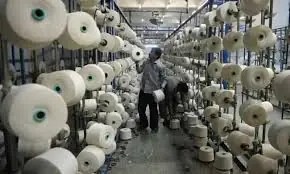
LAHORE: Business groups and labour representatives gave the federal budget a mixed reception, with textile exporters welcoming several tax and financing measures while poultry producers and trade unions raised concerns over higher costs and policy uncertainty.
The Pakistan Textile Exporters Association (PTEA) described the budget as balanced and growth-focused, saying it took into account the country’s economic conditions and included steps that could encourage industrial activity and support sustainable expansion.
PTEA Chairman Sohail Pasha praised the government’s focus on economic recovery, industrial growth and improving the business environment. He said the measures were likely to strengthen investor confidence, support business expansion, create jobs and ultimately benefit lower-income groups.
Pasha said improving macroeconomic indicators, steady remittance inflows and rising business confidence were expected to help support stronger GDP growth in the coming years.
He welcomed the removal of super tax for entities with income up to Rs500 million and the reduction in tax collection on export proceeds from 2 per cent to 1.25pc, saying these changes would ease pressure on exporters, improve liquidity, encourage investment and promote export-led growth.
PTEA Vice-Chairman Ameer Ahmad also welcomed the removal of the 0.25pc Export Development Surcharge and the cut in the markup rate under the Export Facilitation Scheme from 9pc to 4.5pc, calling the decisions timely and encouraging for exporters.
The Pakistan Poultry Association (PPA), however, expressed disappointment, saying the sector had not received meaningful fiscal relief despite repeated government assurances.
In a joint statement, PPA Chairman Abdul Basit, Vice-Chairman Malik Muhammad Sharif and senior members Dr F.M. Sabir and Khaleeque Arshad warned that continued taxation on key inputs would push up poultry prices, deter investment, reduce export competitiveness and affect food security.
The association urged the government to reconsider several tax measures, including the Rs10 federal excise duty on every day-old chick and the 18pc sales tax on processed chicken. It said the tax on processed chicken discouraged investment in modern processing facilities and made hygienic, value-added products less affordable for consumers.
Meanwhile, All Pakistan Federation of Trade Unions (APFTU) General Secretary Khurshid Ahmad said on Saturday that the budget had failed to address the difficulties faced by labourers, poor citizens and retired employees.
He criticised the imposition of taxes on milk, dairy products, cooking oil, ghee and agricultural pesticides.
Ahmad said the salary increase announced in the budget was insufficient in light of the prevailing inflation rate.
Pointing to wider economic challenges, he said Pakistan needed to reduce its reliance on foreign loans if it wanted to achieve sustainable economic growth.
Also Read
- Iran war day 107: Washington, Tehran close to signing first stage of deal
- British forces seize Russian shadow‑fleet ship, striking first blow to Putin’s war financing
- CDC Issues Urgent Warning: Nara Organics Infant Formula Linked to Multistate Botulism Outbreak
- Trump Endorses Collins in Georgia Senate GOP Runoff, Dealing Blow to Dooley and Kemp