




This week’s science news was filled with things missing and found, with the revelation of the first-ever deep-sea footage of the elusive goblin shark making waves in the press.
Goblin sharks (Mitsukurina owstoni) are mysterious, deepwater creatures that have not changed much since they first appeared on Earth 125 million years ago — making them “living fossils.” But capturing a recording of the sharks in their deep habitats is exceptionally difficult, and they have previously been seen alive only after being hooked to the surface on fishing lines. Scientists recently filmed not one, but two goblin sharks: The first near Jarvis Island in the South Central Pacific, and the second 6,550 feet (1,997 meters) deep in the Tonga Trench.
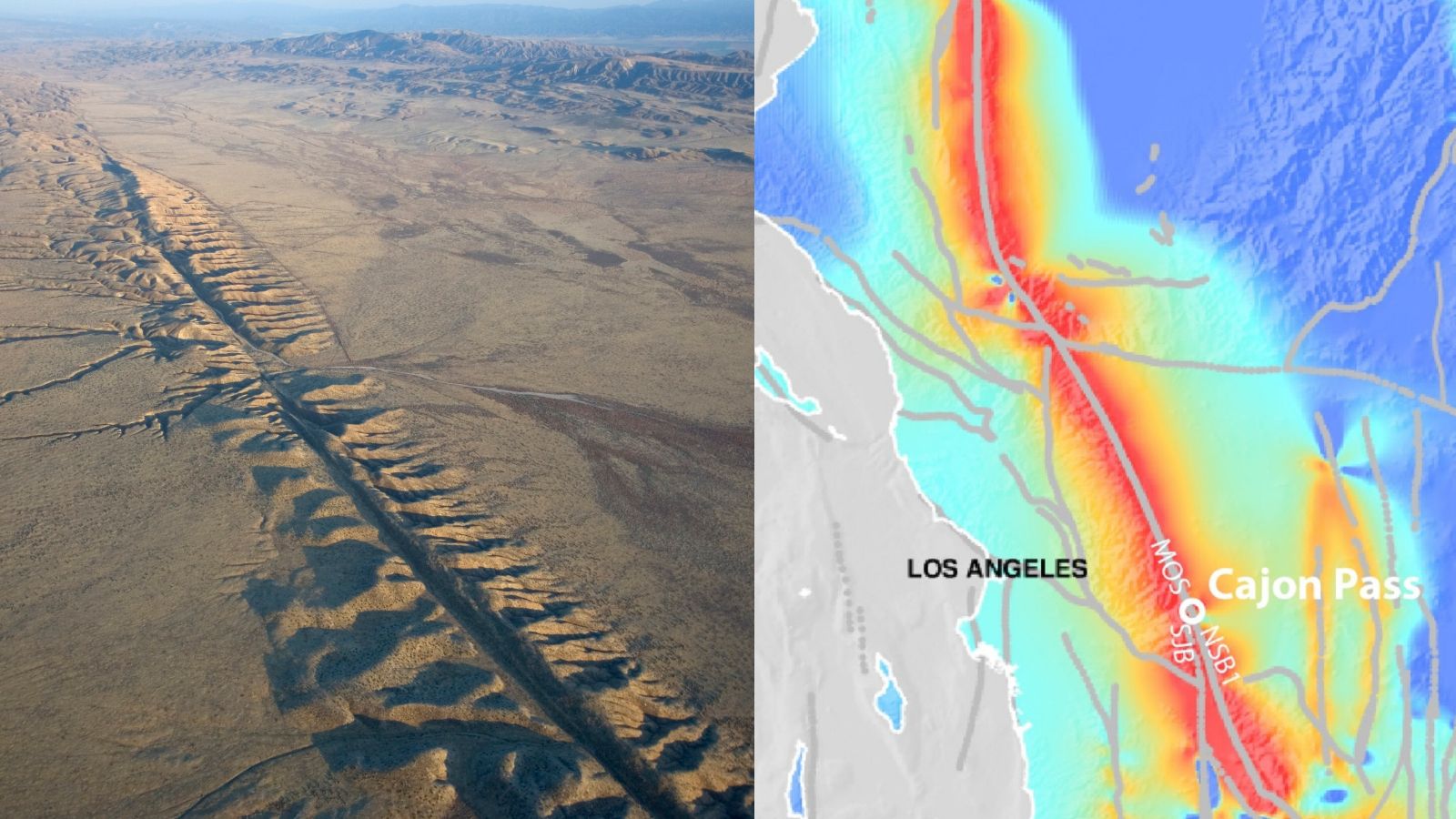
The next major Californian earthquake could be closer than we thought, according to an alarming new study.
The research, based on historical modeling of earthquake activity, found that Southern California’s San Andreas and San Jacinto fault systems are at their highest levels of tectonic stress in more than 1,000 years; while also being connected by a “gate” system that could make them rupture together.
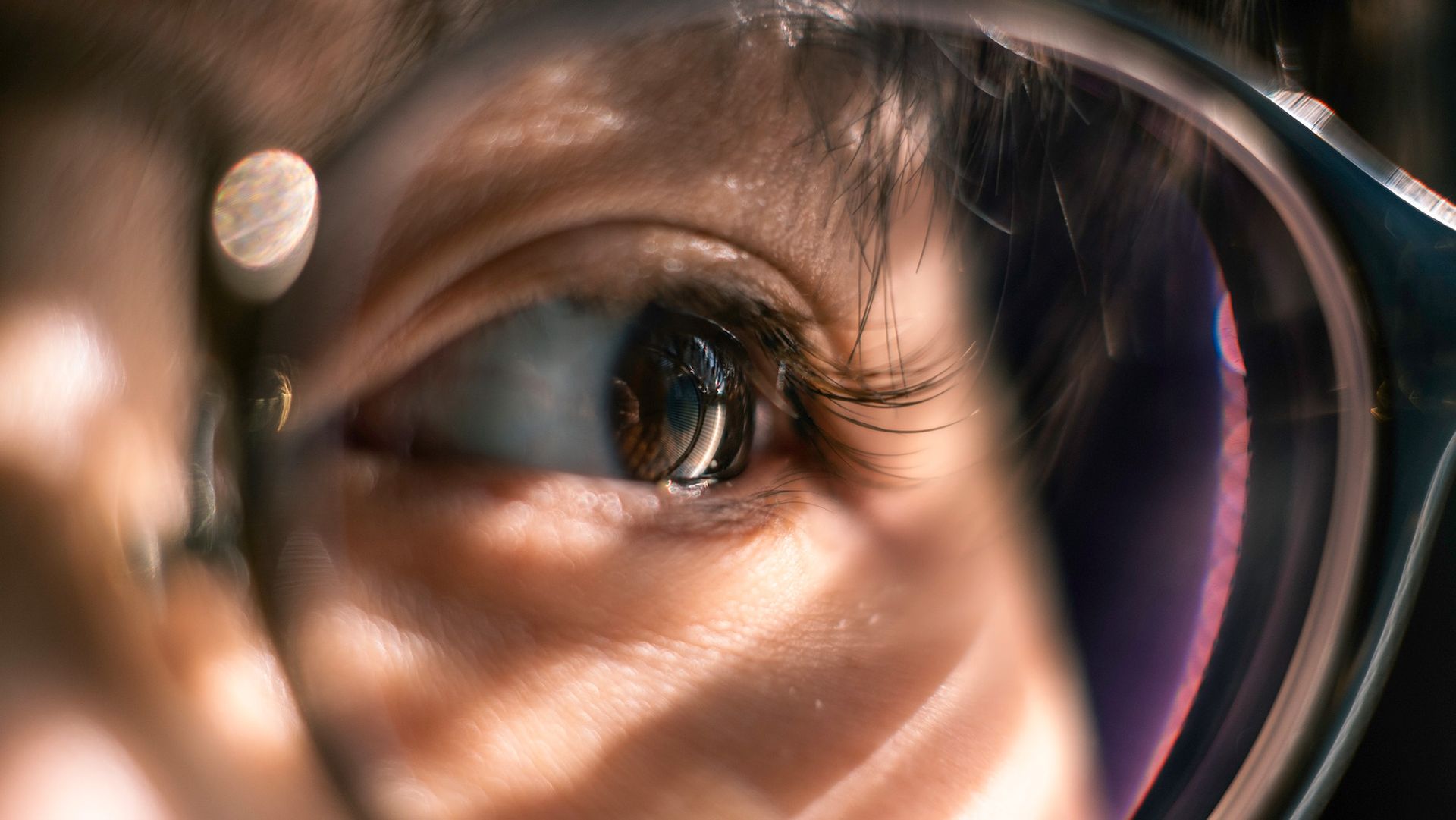
Why does it always take up to an hour for our eyes to adjust to our surroundings if we’re out in nature on a dark night?
Our eyes are remarkably adaptable, switching from navigating under bright lights to the near pitch-black of a moonless night. But anyone who’s stubbed a toe during this acclimation window may have once or twice asked themselves why it takes our eyes so long to adjust to the dark. Live Science shed a bit of light on the question.

Physicists are studying what would happen if a single particle of light was sliced apart — unleashing a swarm of unpredictable outcomes.
What do you get if you split a photon? Anywhere from zero to an infinite number of more photons, physicists say.
That’s the finding made by a new experiment that simulated a photon being sliced by a shutter under various circumstances, revealing the result was anywhere from zero to one to upwards of an infinite swarm of the tiny light particles. The probability of each of these states corresponded to how quickly the shutter cut the photon.

A cloud-seeding rocket is launched into the sky in Hebei Province in an attempt to generate precipitation.
China’s response to the climate crisis continues to astonish. Over the past two decades, the world’s industrial powerhouse has presided over the largest and fastest clean energy buildout in modern history, while also working to bring its carbon emissions to a peak before 2030.
But an underdiscussed aspect of China’s climate plans are its bold attempts to geoengineer the environment to be more resilient and better suit human needs. That’s why, in his three-part “Taming Nature” series, Live Science’s production editor James Price investigated the country’s efforts to create a permanent atmospheric river and build the world’s biggest dam in earthquake-prone Tibet.
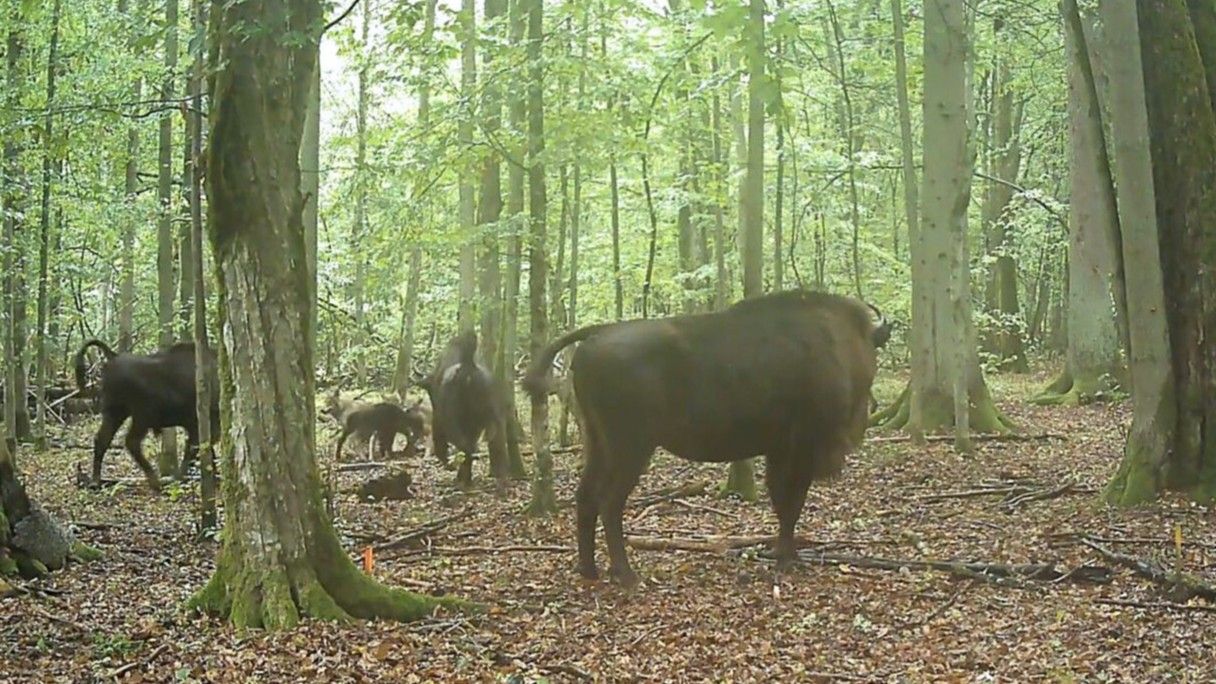
Wolves are growing in number across Poland and Belarus, spelling trouble for the region’s bison.
European bison (Bison bonasus) are typically considered to be a non-prey species — only being hunted by humans.
But rare and unexpected camera trap footage from Poland’s Bialowieza Primeval Forest (the oldest and best-preserved temperate lowland forest in Europe) has called that into question.
In the video, a herd of bison is recorded rallying around a newborn calf to fend off an attack from five wolves (Canis lupus), successfully driving the predators away. It’s a nerve wracking watch, and one that could become more common as wolf packs grow in size thanks to a late 1980s hunting ban across the region.