







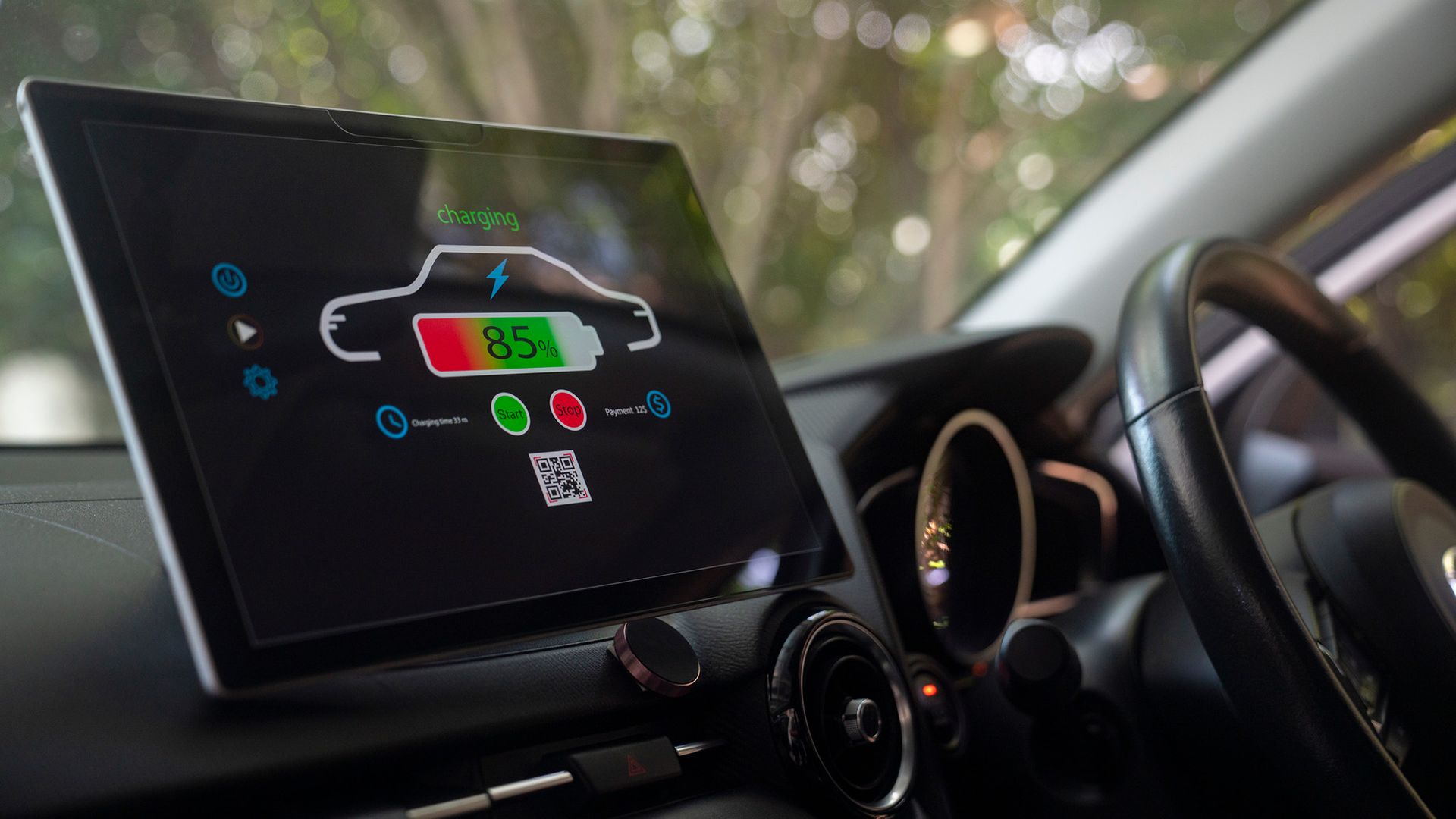
Fast charging has become ubiquitous in modern technology, enabling smartphones to reach over 50% charge in 30 minutes and allowing electric vehicles to regain substantial range during brief stops. However, the long-term effects of this convenience on battery health remain a critical question. While batteries naturally degrade over time, the question remains whether accelerated charging accelerates this process.
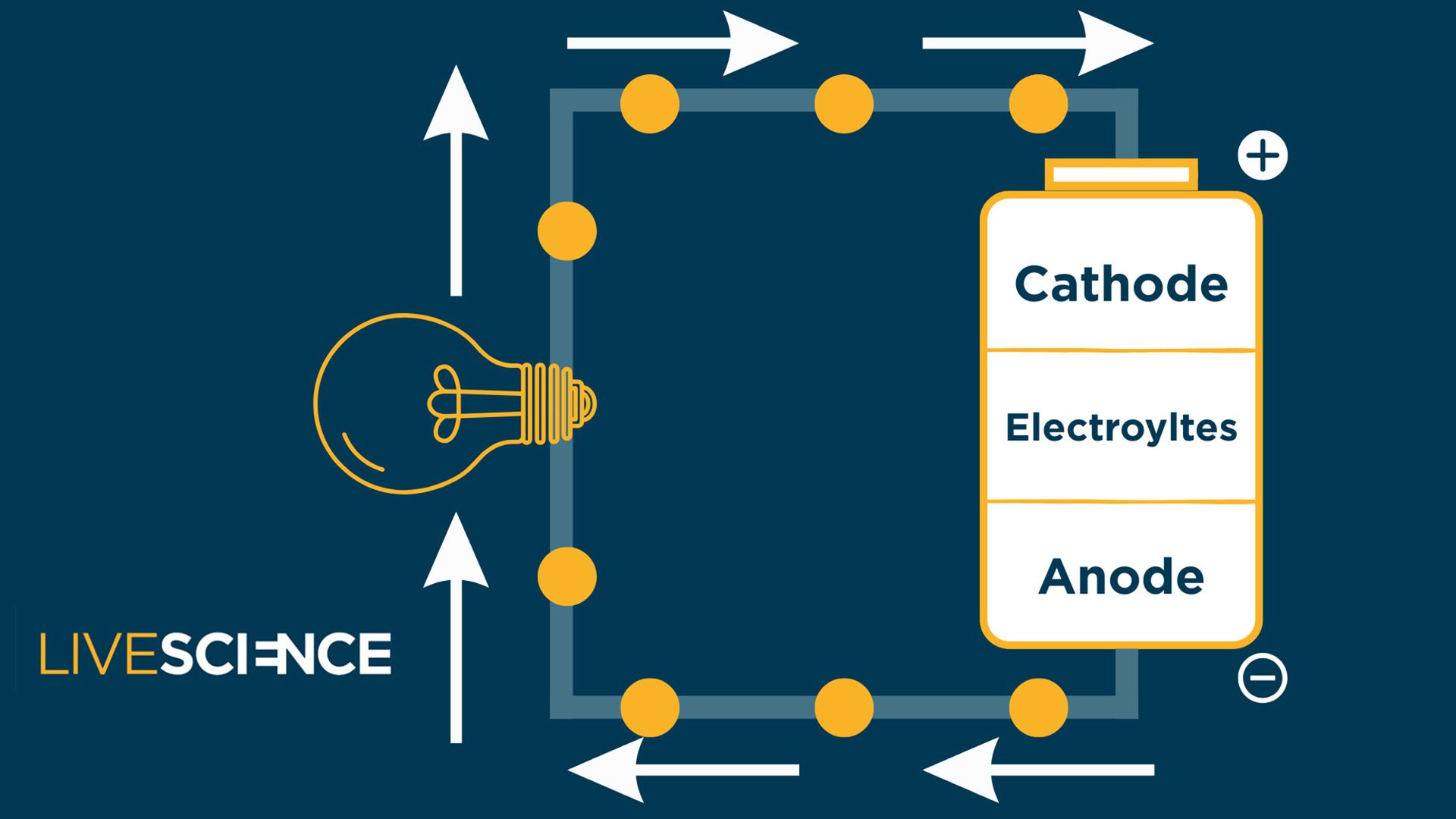

Scientific research identifies two primary mechanisms through which fast charging degrades batteries. First, lithium plating occurs when rapidly deposited ions form metallic deposits on the anode surface, reducing capacity and potentially creating dangerous dendrites. Second, heat generation accelerates chemical reactions that weaken battery materials over time. Professor Stanislaw Zankowski of the University of Oxford compares this to urban traffic: “Fast charging is about moving ions efficiently without bottlenecks.”
Modern devices employ smart battery management systems that monitor voltage, current, and temperature, automatically throttling charge rates if conditions become unsafe. For optimal battery health, experts recommend avoiding extreme temperatures during charging, maintaining moderate charge levels (20-80%), and minimizing prolonged full discharges. “Think of battery care like human comfort—avoid charging in direct sunlight or freezing conditions,” advises Zankowski. These practices balance convenience with long-term performance preservation.
Also Read
- JWST Reveals Bizarre Survival of Giant Planet Orbiting Dead Star
- Lung Cancer Scan Saves Life Decades After Quitting Smoking
- Fiji vs England: Nations Championship Match Preview and Free Streaming Guide
- Recent Scientific Breakthroughs: Quantum Time Emergence, Arctic Ice Restoration, and Historic Grave Discovery


