







Key Takeaways
- After earning her MBA, Singhvi targeted a $750 billion market opportunity in idle gold assets.
- She co-founded Unvault in 2025, a platform that lets users track jewelry value and sell pieces directly.
- Singhvi plans to expand features based on customer demand, including inheritance tracking and support for collectibles.
In Jaipur, India’s historic gemstone hub where Nidhi Singhvi was raised, gold jewelry functions as a generational heirloom and a standard component of personal net worth, she told Entrepreneur.

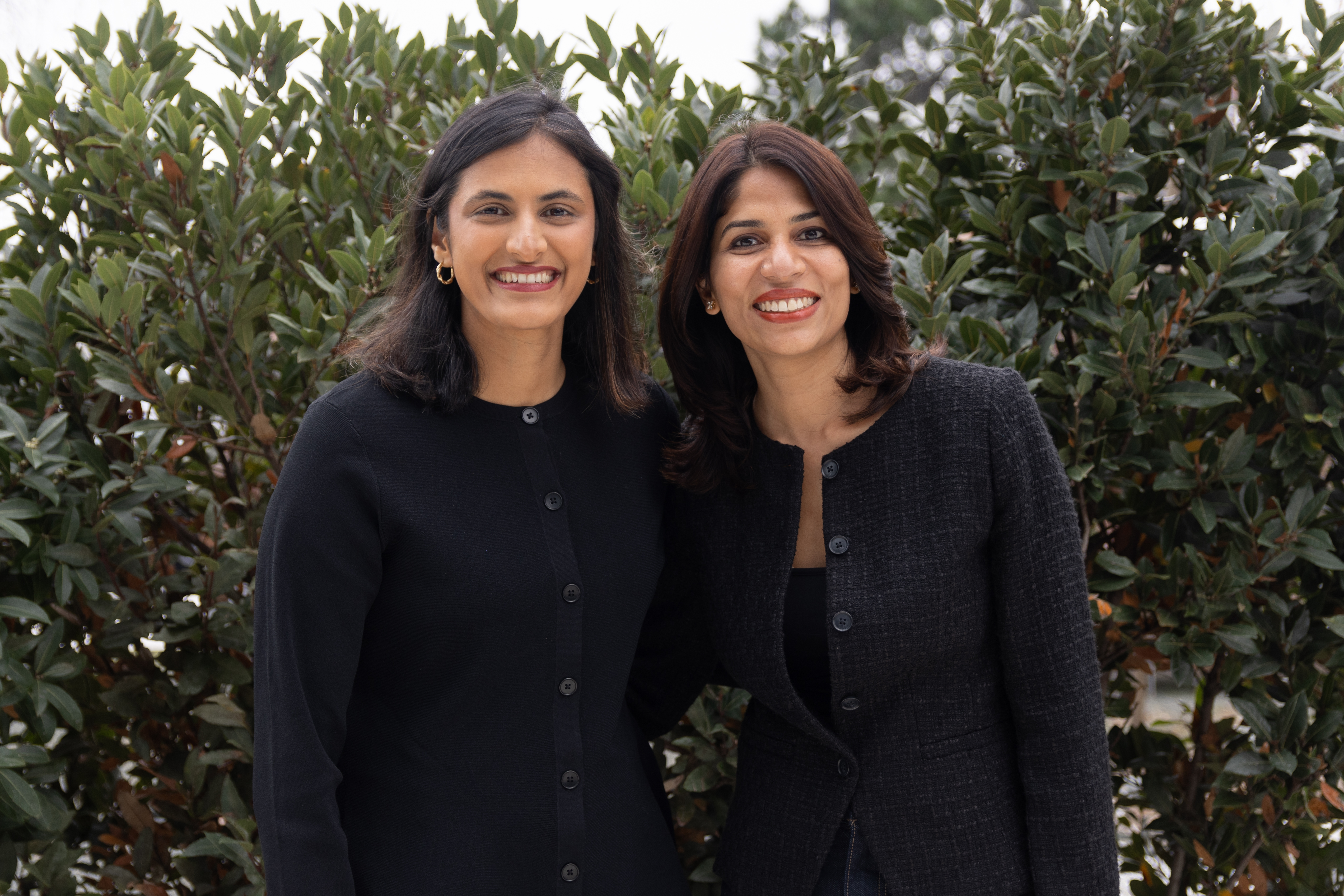
After moving to the United States roughly 14 years ago, Singhvi observed a starkly different relationship with the asset.
“Jewelry has always been handled poorly,” Singhvi says. “The markups at purchase are steep, and when it comes time to sell—say, a broken chain or a single earring—the only options are pawn shops or local jewelers.”
Singhvi’s career took her through currency investing at a hedge fund and building an options trading desk at a crypto brokerage following her MBA from The Wharton School. Yet her fascination with the jewelry market persisted. “Gold is the original asset class,” she notes.
In 2024, she and fellow Wharton graduate Navya Reddy launched Sonalore, a brand selling 18-karat gold jewelry backed by a lifetime buyback guarantee. Soon, however, customers returned with a pressing question: they owned significant jewelry collections but had no reliable way to determine their worth. Could the founders help?
“That customer push was the revelation,” Singhvi explains. “People treat jewelry as an investment, but without a clear valuation, it cannot function as a true financial asset.”


Co-founding Unvault to Unlock $750 Billion in Assets
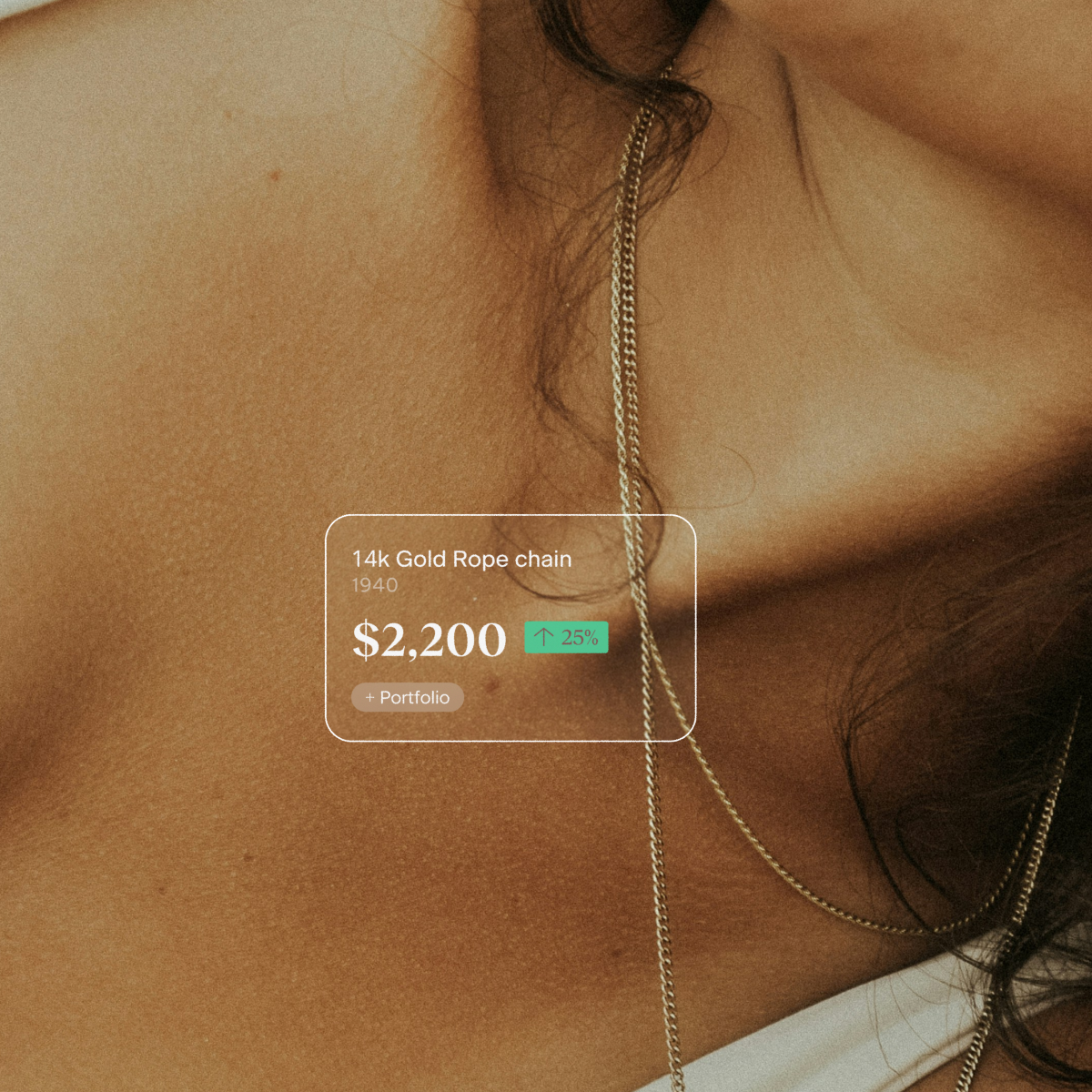
Responding to that demand, Singhvi and Reddy pivoted quickly. They launched Unvault in Palo Alto, California, in June 2025, positioning it as a financial platform for personal gold—the “$750 billion asset class hiding in plain sight.”
By October, the team had leveraged artificial intelligence to build the platform’s initial valuation app. Operating without external funding initially proved advantageous, forcing the founders to become “AI natives” and exploit every available tool, according to Singhvi.
The app analyzes photos of jewelry using volumetric data to estimate value. “We applied the domain expertise we’d accumulated over a year in the jewelry business to refine those assessments,” Singhvi says. “Even with frontier AI models, our proprietary layer of jewelry knowledge delivered superior results, and that drove adoption.”
Customer Demand Drives Sales Functionality
Users quickly asked for the ability to sell through the platform, prompting Unvault to add the feature within its launch month. The company set up a PO box in Palo Alto to receive shipments. “People were mailing thousands of dollars worth of jewelry to us,” Singhvi recalls, noting she personally drove to collect packages initially.
“We built Unvault for valuation and tracking, but selling emerged as a use case directly from our users,” she says. Transparency is central to the process: Unvault provides video documentation at every stage, from unboxing to X-ray fluorescence testing.
“The system tells you exactly that an item is 17.34-karat gold,” Singhvi details. “We provide an itemized breakdown for every piece, not a bulk sum, and all fees are fully disclosed.”

Navigating Silicon Valley Investors Seeking Trillion-Dollar Outcomes
Despite early traction, fundraising in Silicon Valley presented skepticism. “Everyone wants to back a trillion-dollar company,” Singhvi says. “Investors asked, ‘Gold jewelry? Can that be a trillion-dollar market?’”
One investor argued that women simply don’t wear much jewelry, citing his wife’s limited collection of earrings, a ring, and a bracelet. “That alone represents a few thousand dollars,” Singhvi countered. “But women do own jewelry. The industry predates agriculture. It evolves, but it persists, and you participate in it whether you realize it or not.”
Ultimately, customer traction proved decisive. “VCs are adept at detecting genuine traction,” Singhvi observes. “Our partners committed once they saw the growth curve inflect.”

Unvault logged its first $1 million in tracked assets within 27 days, reached $2 million five days later, and hit $5 million by the time formal fundraising began. The company closed an early-stage round in June 2026 for an undisclosed sum. To date, the platform has helped users unlock over $150 million in asset value.
The Critical Role of Continuous Customer Feedback
Singhvi and Reddy remain relentless in soliciting user input—even placing golden eggs in San Francisco’s Dolores Park to spur engagement—recognizing how pivotal feedback has been at every stage. It validates their direction and keeps the roadmap agile enough to address the next wave of requests.
Currently, users are asking for inheritance-tracking capabilities and support for asset classes beyond jewelry, such as silverware and collectibles. With Bloomberg estimating a $93 trillion generational wealth transfer over the next two decades, Singhvi is prioritizing Unvault’s inheritance features.
“However you can gather customer feedback at scale, do it,” Singhvi advises fellow founders. “It sharpens the product, makes you a better operator, and ultimately helps you raise capital.”


