






Updated Strategic Focus on External Risk Considerations in Pakistan’s Economic Strategy
The conversation centers on how the government is carefully accounting for external and geopolitical factors in its economic planning, with Finance Minister Muhammad Aurangzeb emphasizing a cautious approach amid ongoing regional challenges.
During a session in Islamabad, the minister highlighted that fiscal assessments remain vigilant about potential secondary effects from sustained regional instability. This reflects a deliberate effort to align economic objectives with broader geopolitical realities.
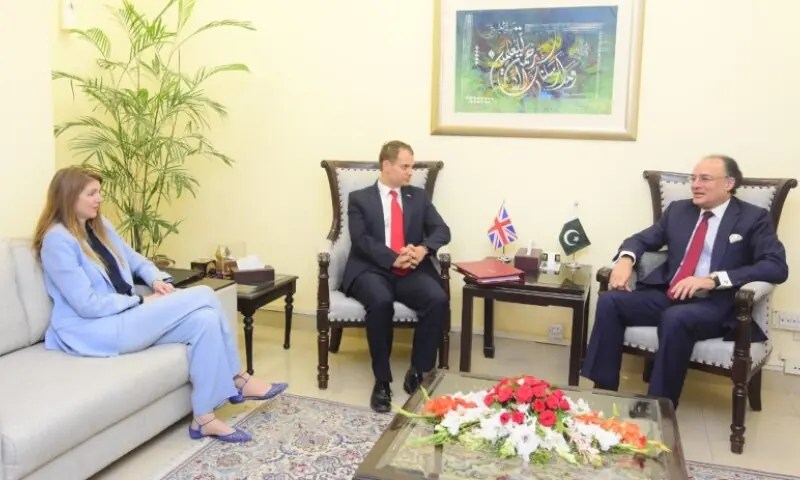
Finance Minister Muhammad Aurangzeb reaffirmed the importance of preserving macroeconomic stability and promoting inclusive growth. He also discussed the positive trajectory of structural reforms and the need to deepen economic cooperation with key partners like the United Kingdom.
Participants at the meeting included high-ranking officials from the UK Parliamentary Under-Secretary of State for the Middle East, North Africa, Afghanistan, and Pakistan, as well as representatives from the British High Commission.
The discussions also touched on broader themes such as modernizing tax systems, enhancing revenue mobilization, and integrating digital solutions to improve public services. These efforts underscore a modernizing agenda aimed at boosting economic resilience.
International collaboration remains a focal point, with both sides expressing interest in leveraging regional stability to further economic benefits. The meeting underscored the UK’s commitment to supporting Pakistan’s reform journey while navigating complex global dynamics.
Also Read
- Southern Primaries and Runoff Contests Set the Stage for 2024 Midterms
- Trump-Modi Summit at G7 Seeks to Mend Strained U.S.-India Ties
- Pakistan Stock Exchange Surges Past 180,000 Milestone as Bull Run Continues
- Strait of Hormuz Reopens Post-Iran-US Deal, But Governance and Long-Term Stability Face Lingering Questions


