






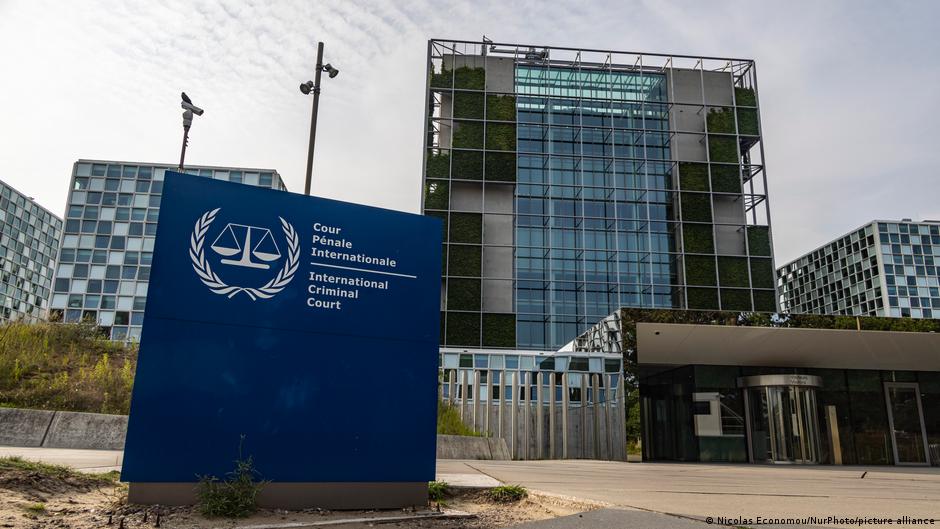
In The Hague, two prominent international courts are frequently conflated. The first is the UN’s International Court of Justice (ICJ), located in the historic Peace Palace, which handles disputes between states. The second is the International Criminal Court (ICC), established in 2002 to prosecute individuals for war crimes, crimes against humanity, and genocide. Operating in a modern glass-and-concrete building, the ICC comprises 125 member states—not all 193 UN members. Non-member nations include the US, Russia, and China, alongside several Asian and North African states.
When US Secretary of State Marco Rubio recently threatened to dismantle the court “brick by brick,” it was clear he was targeting the ICC. The State Department has outlined measures such as visa restrictions on ICC staff, enhanced sanctions against the court and affiliated entities, and increased scrutiny of nations refusing to reject the ICC’s authority while receiving US aid.
The US and ICC have clashed previously. However, global legal experts assert that Washington’s latest actions represent a marked escalation.
How Washington Is Intensifying Pressure on The Hague
“The US and Marco Rubio have exposed a campaign that has been silently advancing for over a year,” explains Andreas Schüller, co-director of the International Crimes and Legal Accountability Program at ECCHR in Berlin. He adds, “Publicly framing this as a strategic initiative broadens its scope and involves non-member states in undermining the court’s authority.”
A Court Built to Prevent Impunity
The ICC cannot prosecute US citizens for domestic crimes, as the US is not a member. However, it can investigate atrocities in member states. For instance, it has issued arrest warrants for Russian President Vladimir Putin and Israeli Prime Minister Benjamin Netanyahu. The ICC’s foundation lies in historical precedents like the post-WWII Nuremberg Trials, which established modern international criminal law. Subsequent tribunals in the 1990s, following conflicts in the Balkans and Rwanda, fueled momentum for a permanent court.
Kai Ambos, an international law expert at the University of Göttingen, emphasizes the core issue: ensuring accountability for atrocities in conflicts ranging from Ukraine to Gaza. “It is unacceptable that those bearing ultimate responsibility evade justice,” he states.
Could US Citizens Face ICC Prosecution?
In a video address, Rubio warned the ICC threatens US sovereignty, arguing it could override domestic legal protections. No US citizens are currently under ICC investigation. However, operations like ICE raids and targeted killings of alleged drug smugglers in the Caribbean have raised concerns. Former ICC prosecutor Luis Moreno Ocampo labeled some of these actions as potential crimes against humanity.
Builiding the ICC’s Resilience
Ambos warns of a “chilling effect,” where prosecutors may avoid pursuing US-related cases. Companies could also withdraw from ICC partnerships to avoid US sanctions. In response, the ICC has reduced dependence on US infrastructure, adopting open-source alternatives to US software. ECCHR’s Schüller advocates for coordinated support from smaller and medium-sized states to counter US pressure. The EU swiftly backed the ICC, and Germany’s Foreign Minister Johann Wadephul lauded it as a force for global justice.
Notably, the US Senate previously praised the ICC’s role in upholding the rule of law, with Rubio among its 2022 co-sponsors. This shift underscores the current administration’s divergent stance.
Also Read
- PML-N Leader Rana Sanaullah Condemns Maulana Fazlur Rehman’s Remarks on Martyrs as Inappropriate
- Securing Multinational Networks Against AI-Driven Threats
- Merz Welcomes Franco-German Nuclear Initiative as Complement to NATO’s Deterrence Framework
- Five Key Insights From Thursday’s Maine Senate Debate on Replacing Graham Platner


