




Although lithium is now widely recognized for powering smartphones and electric vehicles, its historical prominence stems from its role as a foundational mood stabilizer in psychiatry.
First deployed as a treatment for bipolar disorder in 1949, this elemental medication has withstood decades of pharmaceutical innovation to remain the benchmark therapy for one of the most complex psychiatric conditions. The reasons for its enduring efficacy, however, remain only partially understood.
According to Becci Strawbridge, a senior lecturer in psychological medicine at King’s College London, lithium’s structural simplicity may be precisely what allows it to address the multifaceted nature of bipolar disorder, a lifelong condition affecting approximately 36 million people globally.
Clinically, bipolar disorder is defined by distinct, sustained shifts in mood and energy. Depending on the specific diagnosis, individuals may experience manic, hypomanic, and depressive episodes, either in isolation or in sequence. As Dr. David Cousins, a clinical senior lecturer and honorary consultant psychiatrist at Newcastle University, explains, the presence of mania alone is sufficient for a diagnosis. He characterizes mania as the polar opposite of depression: a state of elevated mood, extreme energy, heightened drive, and hedonic risk-taking that is profoundly disruptive and damaging.
Treating a condition defined by such extremes presents a delicate pharmacological challenge. Any intervention targeting one pole must account for its impact on the other. “For example, if you gave somebody antidepressants without an antimanic drug, you might either trigger mania or destabilize the illness,” Cousins noted. Consequently, clinicians often prescribe complex regimens combining antidepressants, antipsychotics, and mood-stabilizing anticonvulsants. “There are really very few medications that have an overall effect against both poles,” Strawbridge said. Once stability is achieved, the primary challenge becomes preventing relapse into this destructive cycle.
Lithium, by contrast, does not share these limitations. “It’s often considered the gold standard for bipolar disorder; it’s helpful for the depression and for the mania, but its main benefit overall is in preventing relapse, so stopping either of those two types of episodes from coming back,” Strawbridge added.
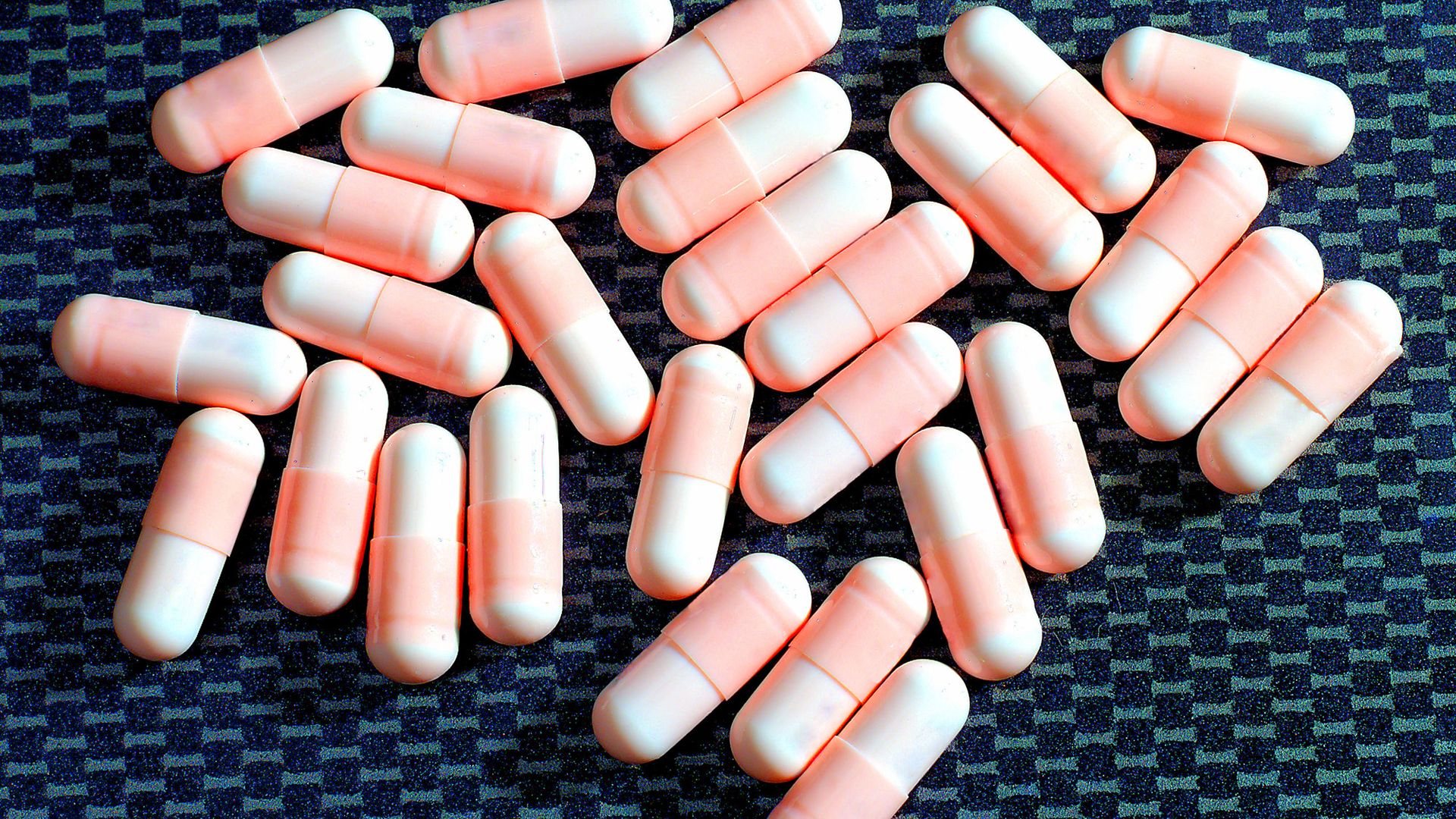
Typically prescribed as lithium carbonate tablets or lithium citrate liquid, the drug dissociates in the body into lithium ions. This simple active form underpins its broad mood-stabilizing capacity. “Because lithium is quite a simple ion, it’s able to disguise itself as sodium, and that means it can slip inside of brain cells, whereas most medications act on the surface of cells,” Strawbridge explained.
This permeability allows lithium to distribute widely throughout the brain and body. Once intracellular, it modulates numerous cellular processes, though the precise mechanism driving its therapeutic benefit remains elusive. “We know that the monoamine system and the neurotransmitters in the brain that are involved in reward, emotions, and cognition are disrupted,” said Victoria Wing, a clinical lecturer at the National Institute for Health and Care Research at Newcastle University and CNTW NHS Foundation Trust. This disruption affects the regulation of critical mood molecules such as dopamine and serotonin, which may be underactive or overactive depending on the phase of illness.
The lithium ion also inhibits glycogen synthase kinase 3 (GSK-3), an enzyme with extensive downstream effects on gene expression, circadian rhythm regulation, inflammation, and cell survival. “Lithium can also help with autophagy, which is the clearance of debris and toxins in cells, and it has antioxidant effects and boosts mitochondrial function, which are important for cell energy processes,” Wing said.
Despite its broad therapeutic profile, lithium has significant limitations. Roughly one-third of patients experience profound benefit, another third show an intermediate response, and the final third do not respond at all. Identifying likely responders early is critical, particularly because the cyclic nature of the disorder means confirming long-term prophylactic efficacy can take years, Cousins noted. Furthermore, lithium possesses a narrow therapeutic index, leaving a slim margin between effective and toxic doses—specifically regarding kidney and thyroid function. Common side effects include polyuria and fine tremor.
While side effects are inherent to any pharmacotherapy, alternative treatments carry their own risk profiles. When carefully managed, however, lithium can be transformative. “I’ve met a lot of patients through patient involvement groups that have told me how effective and lifesaving lithium has been for them,” Wing said. “We know it works, but can we fine-tune the use even better so more people can benefit from it?”
This article is for informational purposes only and is not meant to offer medical advice.