




[Mysterious Medieval Abbot Finally Identified in Reused Roman Sarcophagus at Westminster Abbey]
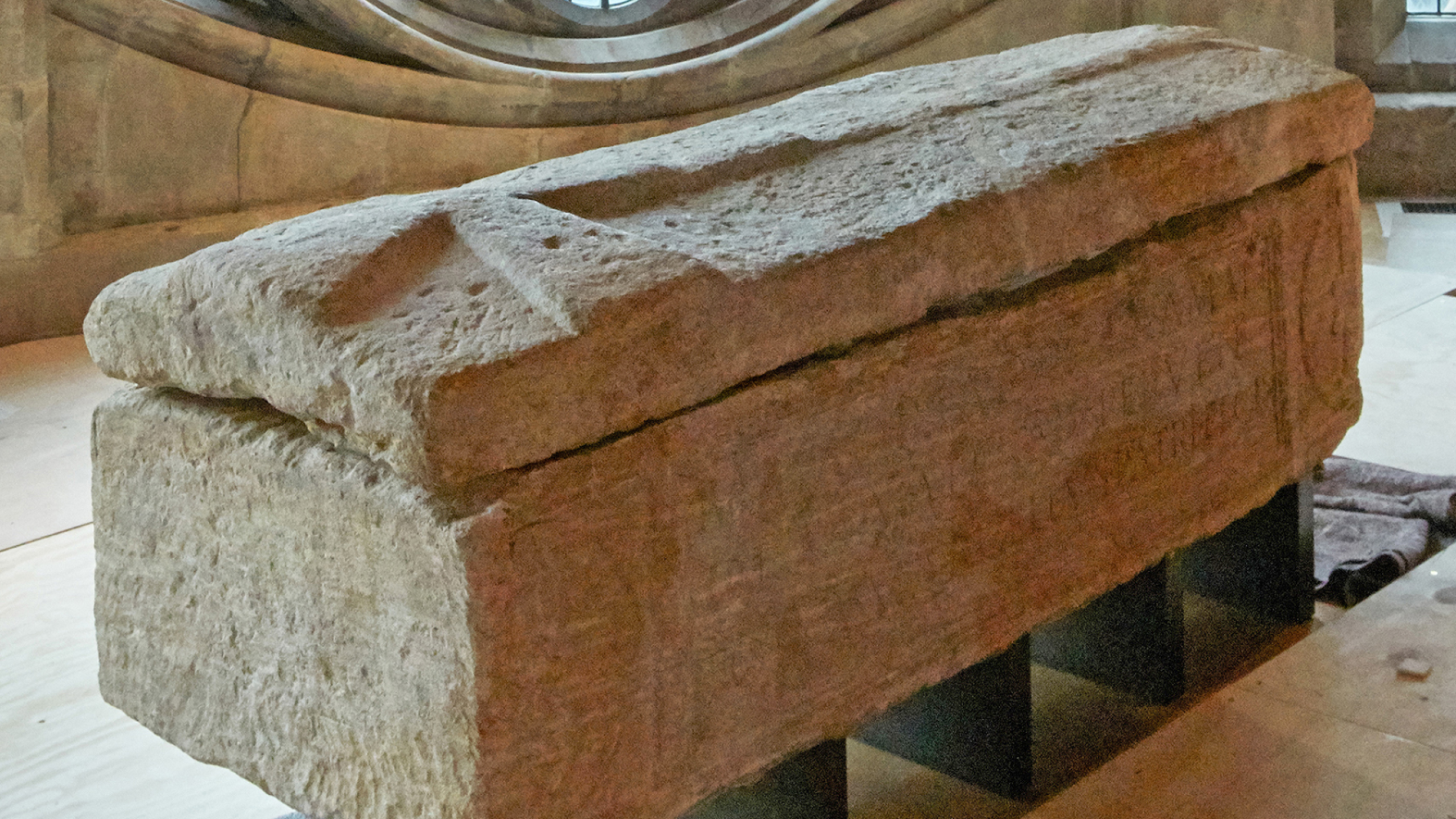
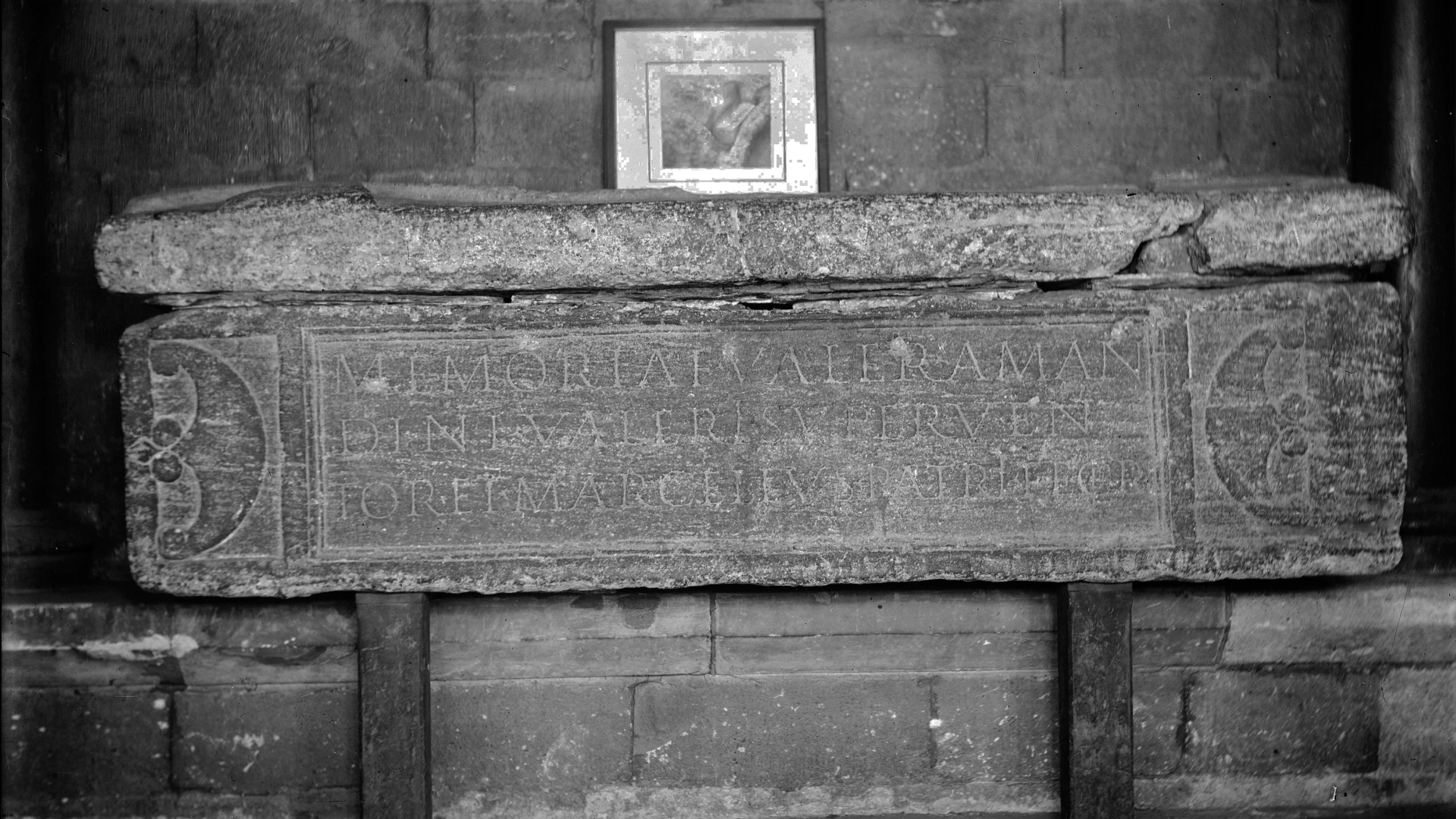
In the late 1800s, Westminster Abbey clergy discovered a mysterious sarcophagus. The lid featured an 11th‑century Anglo‑Saxon cross, while the base bore a fourth‑century Roman funeral inscription. For nearly 150 years the tomb puzzled scholars until the abbey’s consulting archaeologist believed the mystery had been solved.
The first stone sarcophagus was uncovered in 1869 by Westminster’s chief mason. Earlier thefts in the early 19th century prompted experts to question the burial’s completeness. Architectural surveys revealed Roman‑style carving on the sarcophagus side along with a Latin inscription meaning “To the memory of Valerius Amandinus. Valerius Superventor and Marcellus made this for their father.” A massive medieval cross had been cut into the lid, indicating the tomb was repurposed to inter an important religious figure centuries later.
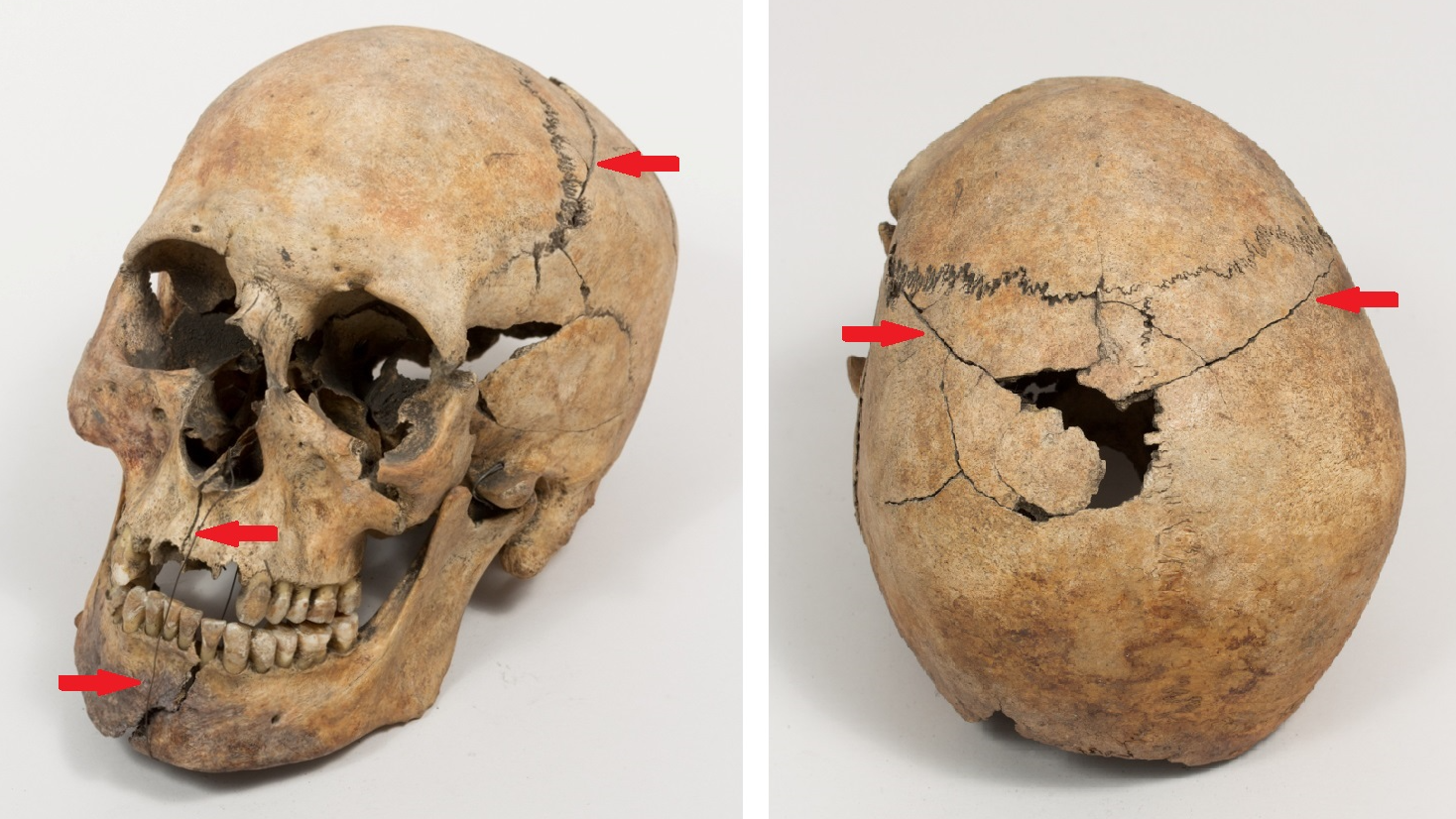
For approximately 150 years the case remained unresolved, with the assumption that no remains existed. When the coffin was opened for conservation in 2016 and a complete skeleton was recovered, researchers gained access to definitive evidence of identity.
A carousel of videos provides additional visual context of thefindings.


Consequently, we have two viable contenders for the occupant of the sarcophagus. “The fact that Ælfwig was already a monk of Westminster might favour him.”
Although the final resting place of Ælfwig may have been located after a millennium, some questions remain unanswered.