




Finding a crypto‑friendly bank in 2026 goes beyond a simple traditional account. Some institutions enable transfers to exchanges such as Coinbase, while others provide integrated crypto trading, asset custody, or specialized services for Web3 enterprises.
The optimal choice hinges on your location, investor or business status, and required digital‑asset services. Certain providers restrict particular exchanges, set transaction limits, or impose conditions on crypto‑related activities.
This guide evaluates leading crypto‑friendly banks and fintech platforms, reviewing their supported services, geographic availability, fee structures, and limitations to assist you in selecting the most suitable banking solution for 2026.
What Makes a Bank Crypto-Friendly?
A crypto‑friendly bank streamlines interaction with digital assets by offering traditional financial services tailored to the cryptocurrency ecosystem. Typical features include facilitated transfers to and from exchanges, integrated crypto trading or payment capabilities, and specialized banking solutions for qualifying crypto enterprises.
Crypto‑friendly providers vary widely in their offerings. Some enable direct buying, selling, and holding of digital assets, whereas others merely facilitate transfers to select platforms such as Kraken or deliver banking services to Web3 firms. Operational models range from fully licensed banks to fintech entities partnered with established banking institutions.
Pros and Cons of Crypto-Friendly Banks
Before selecting a crypto‑friendly bank, it’s essential to weigh the primary benefits against potential drawbacks.
Pros
- Simplified movement of funds between traditional accounts and crypto exchanges, facilitating purchases and withdrawals.
- Integrated crypto trading, payment cards, and other tools that enable management of crypto activities within familiar banking applications.
- Dedicated business accounts and payment services for eligible blockchain, fintech, and Web3 enterprises.
- Access to standard banking tools—including mobile banking, transfers, account management, and transaction monitoring—through a single platform.
Cons
- Geographic limitations affect which crypto features, exchanges, and account types are available, leading to regional disparities.
- Additional costs—including exchange fees, spreads, transfer charges, and account limits—can render some services pricier than direct exchange or wallet usage.
- While eligible fiat deposits may enjoy deposit‑insurance coverage, cryptocurrency holdings typically lack comparable protection.
- Crypto‑related transactions may be scrutinized, delayed, or declined due to fraud‑prevention and regulatory compliance measures.
- These services provide fewer decentralized‑finance options—such as staking, lending, and yield farming—than fully decentralized platforms.
Quick Comparison: The 5 Best Crypto-Friendly Banks
Top Crypto-Friendly Banks
For those seeking crypto‑friendly banking options, this guide outlines leading institutions across traditional banking, business banking, and personal accounts.
1. Revolut
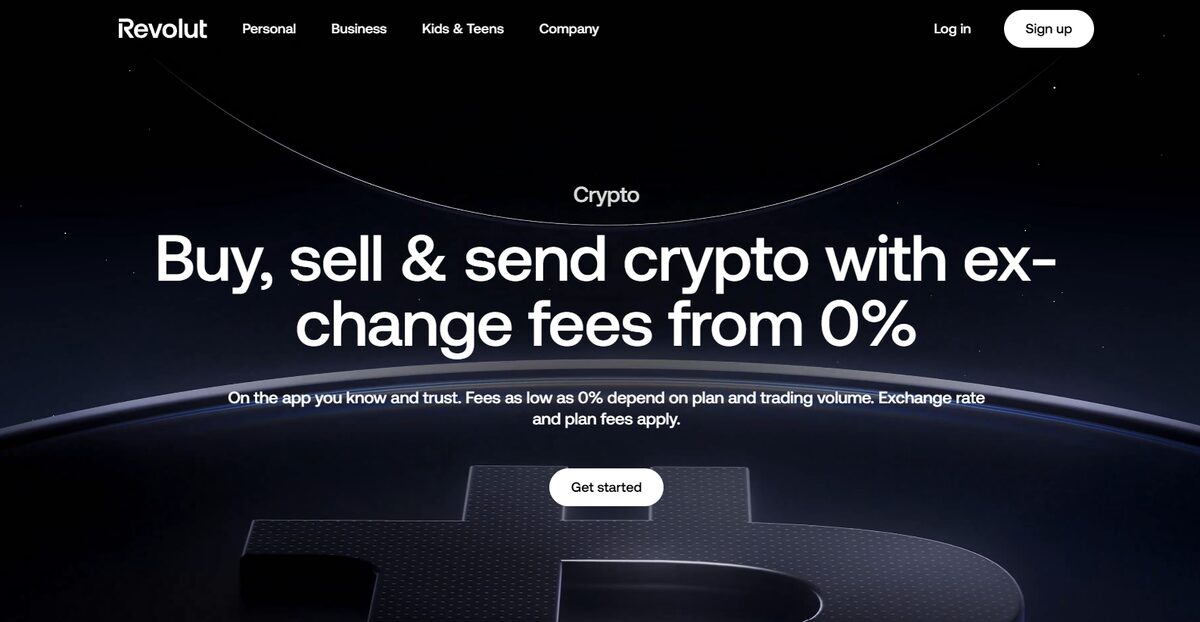
Revolut remains a popular choice for users who want to manage both traditional money and cryptocurrency within a single digital banking app.
Revolut combines conventional banking services with integrated crypto features. In supported regions, customers can buy, sell, hold, and transfer cryptocurrencies such as Bitcoin and Ethereum. Access to specific assets and functionalities depends on the user’s country and account tier.
The platform also enables crypto withdrawals and deposits to external wallets and blockchain networks. However, fees, supported assets, and withdrawal limits vary. Crypto services are delivered through separate legal entities, and holdings are not covered by standard bank deposit protection.
Key Takeaways
- Offers crypto trading, holding, and transfers in supported markets.
- Supports selected external wallets and blockchain networks.
- Fees and features differ by country and subscription plan.
- Crypto holdings are not protected by deposit guarantee schemes.
- Higher fees compared with some alternatives.
2. Wirex

Wirex distinguishes itself by focusing exclusively on crypto‑centric banking from its inception, rather than evolving from a traditional bank.
Wirex operates as a global fintech platform that blends fiat currency management, cryptocurrency services, and payment cards. Eligible users can purchase, sell, exchange, and hold a range of digital assets, and spend funds using available card products.
Additional features include a cross‑chain bridge, crypto‑linked cards, and a Cryptoback rewards program that advertises up to 8% cash back on qualified purchases. Actual rewards vary by card type, subscription tier, and applicable conditions. Wirex is not a licensed bank; its services are delivered through regulated entities and banking partners depending on jurisdiction.
Key Takeaways
- Built around cryptocurrency, offering a fully integrated banking experience.
- Robust trading capabilities and a cross‑chain bridge for seamless asset movement.
- Attractive cashback rewards and staking options.
- Feature set, fee structure, and regional availability depend on product and location.
- Supports NFT and decentralized‑application interactions.
3. Mercury
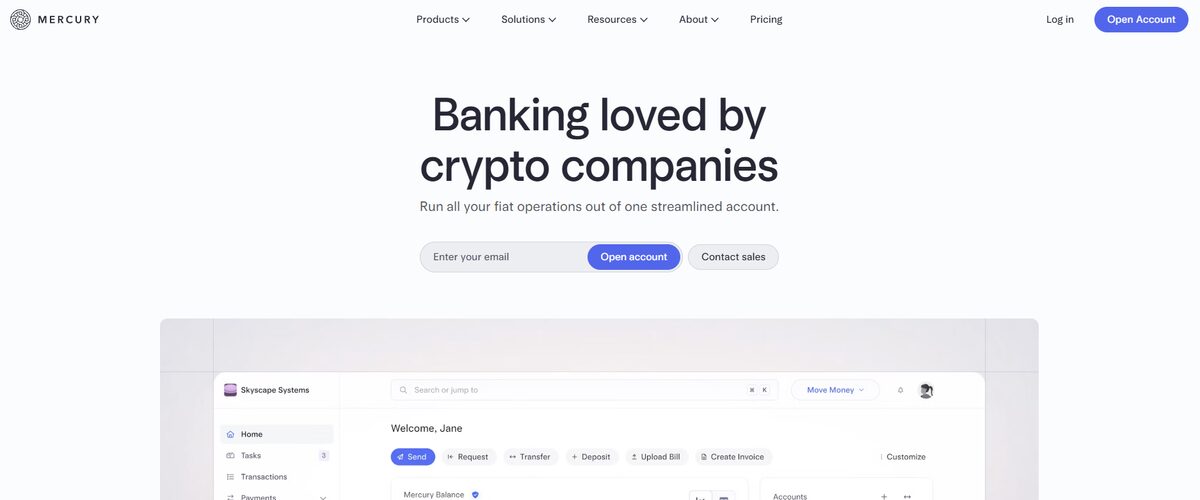
Mercury is a U.S.‑focused fintech that provides business banking services through partner banks, catering particularly to eligible crypto and Web3 enterprises, DAOs, and investment funds.
Businesses can use Mercury to handle fiat deposits, payments, expenses, and transfers to supported cryptocurrency exchanges such as Coinbase and Gemini. Mercury does not custody cryptocurrencies or provide trading functionalities.
The platform accepts most U.S.‑registered businesses, including those founded by international entrepreneurs, but excludes applicants that operate as crypto exchanges or money‑services businesses.
Key Takeaways
- Tailored for qualifying startups and Web3 companies.
- Facilitates fiat transfers to selected cryptocurrency exchanges.
- Provides business accounts, payment processing, and expense management tools.
- Does not offer crypto custody or trading services.
- Banking activities are conducted through partner banks.
4. Monzo

Monzo is a UK‑based digital bank that permits customers to link their accounts with selected cryptocurrency exchanges.
While Monzo does not provide native crypto trading, users can transfer funds to platforms such as Coinbase, making it a viable option for those who prefer to keep traditional banking separate from crypto purchases.
The bank monitors crypto‑related transactions and imposes restrictions. For example, payments to Binance are currently blocked, whereas transfers to a range of other exchanges are allowed. Crypto payment limits and security checks also apply, so users should verify current terms before executing large transactions.
Key Takeaways
- UK digital bank that supports transfers to chosen crypto exchanges.
- Allows deposits to platforms such as Coinbase.
- Blocks transactions to Binance.
- No native crypto trading or custodial services.
- Imposes payment limits and security controls on crypto‑related activity.
5. Ally Bank
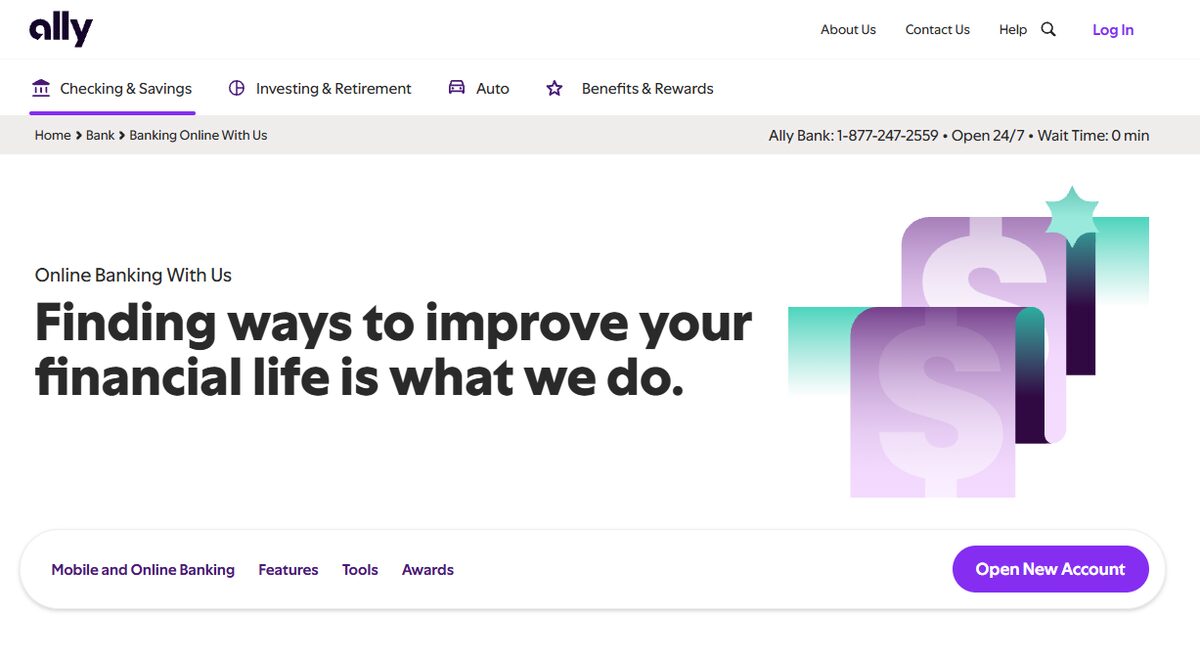
Ally Bank is an established U.S. digital bank delivering conventional banking products—including checking, savings, and investment accounts—without direct crypto trading or custody.
Ally does not permit cryptocurrency deposits into its accounts, which operate solely in U.S. dollars. Ally Invest also lacks native crypto trading, although customers can access crypto‑related investment options such as cryptocurrency funds and publicly traded companies focused on digital assets.
Consequently, Ally is best suited for users seeking traditional banking and investment services rather than direct interaction with cryptocurrency exchanges or digital assets.
Key Takeaways
- Established U.S. digital bank providing standard banking and investment services.
- Does not support direct cryptocurrency transfers or custody.
- Lacks native crypto trading through Ally Invest.
- Offers exposure to crypto‑related investment products and themed ETFs.
How to Choose a Crypto-Friendly Bank?
Selecting a crypto‑friendly bank requires more than confirming that it permits digital‑asset transactions. The ideal provider aligns with your geographic location, investment objectives, and whether you need basic exchange transfers or advanced crypto services.
Consider these five essential factors when evaluating options:
1. Cryptocurrency Exchange Compatibility
Verify that the institution supports transfers to the exchanges you plan to use, such as Coinbase, Kraken, or Binance. Some banks restrict payments to specific platforms or apply extra security checks for crypto‑related activity.
2. Fees and Transaction Limits
Compare account maintenance fees, international transfer costs, currency‑conversion charges, and any caps on crypto‑related payments. Additional charges may apply for buying, selling, or withdrawing digital assets.
3. Security and Deposit Protection
Prioritize providers with clear regulatory licensing and transparent security protocols. Confirm whether eligible fiat deposits benefit from a recognised deposit‑guarantee scheme and understand that crypto holdings generally lack equivalent protection.
4. Geographical Availability
Crypto‑banking services are not universal. Ensure the bank accepts customers in your country and that its crypto features are accessible within your jurisdiction before opening an account.
5. Support for Crypto Businesses
If you operate a Web3 startup, blockchain firm, or other crypto‑related business, review the provider’s eligibility criteria. Platforms such as Mercury serve qualifying technology and Web3 companies while excluding certain activities, including operating as a crypto exchange or money‑services business.
Are Crypto-Friendly Banks Safe?
Crypto‑friendly banks and fintech platforms simplify the management of both fiat currency and digital assets. Their safety profile, however, depends on regulatory compliance, banking partnerships, and the security measures they implement.
An important distinction lies in deposit protection: eligible fiat deposits may be covered by national deposit‑insurance schemes, whereas cryptocurrency holdings typically are not. Digital assets also expose users to market volatility, custody risks, and potential losses.
Not every crypto‑friendly service operates as a licensed bank. Providers such as Wirex and Mercury often function through regulated entities or partner banks. Before committing funds, confirm the platform’s licences, account terms, and which protections actually apply to your balance.
FAQs
Which banks allow cryptocurrency transactions?
Several financial institutions support crypto‑related activity. Revolut and Wirex provide integrated crypto services in eligible markets, while Monzo permits transfers to selected exchanges. Mercury offers banking for qualifying Web3 businesses, and Ally Bank focuses on traditional banking with some crypto‑linked investment products.
What is the most crypto‑friendly bank in 2026?
The optimal choice varies by individual needs. Revolut serves users seeking seamless crypto integration, Wirex excels in payment and spending features, Mercury caters to eligible Web3 enterprises, and Monzo provides UK customers with transfers to supported exchanges.
Can I transfer money from my bank account to Coinbase?
Yes, many banks enable transfers to Coinbase, though availability varies by location, payment method, and any account‑specific restrictions. Review your bank’s crypto‑payment policy and Coinbase’s supported funding options before initiating a transfer.
Can banks block cryptocurrency transactions?
Yes. Banks may restrict or decline crypto‑related payments for security, fraud‑prevention, compliance, or risk‑management reasons, and may block transactions involving specific exchanges. Always consult your provider’s terms and conditions.
Are crypto‑friendly banks insured?
Eligible fiat deposits held with licensed banks can be protected by national deposit‑insurance schemes, but cryptocurrency holdings generally lack such coverage. Fintech platforms often partner with banks, so verify which institution safeguards your deposits and the applicable protections.