



Experts are warning that Tehran has launched a sophisticated influence operation on Western social media platforms, designed to manipulate American public opinion and sabotage President Donald Trump’s efforts to secure a nuclear agreement.
Analysts suggest that following February’s U.S. strikes—which significantly depleted the Iranian leadership—and the subsequent signing of an interim memorandum of understanding (MOU) between Washington and Tehran, the regime has pivoted toward digital proxies to maintain the appearance of centralized control.
“Iran’s leadership now lives on X because it is a decapitated leadership,” Dr. Omar Mohammed of the George Washington Program on Extremism told Fox News Digital. He explained that the regime has shifted its struggle for legitimacy to digital platforms, optimizing its messaging for social media consumption.
“There are English, screenshot-ready lines, memeable contempt and civilizational pride. It is adaptation under pressure — an influence operation forced by the fact that the men running Iran can no longer stand at a podium,” Mohammed added.

The administration’s MOU with Tehran has highlighted a rift among Republicans regarding what defines victory following the military campaign against the regime. (Anna Moneymaker/Getty Images)
With Supreme Leader Ali Khamenei killed on Feb. 28 and his successor, Mojtaba Khamenei, currently in hiding, Mohammed noted that Iranian digital messaging has become highly synchronized.
“The coordination between the leadership is visible: You watch the same lines reposted verbatim by the judiciary chief, the vice president and the security council within minutes,” he explained. “That is a central media shop pushing copy, not officials independently moved by the same spirit at the same moment.”
According to Mohammed, the regime’s social media presence serves as a proxy for its leadership vacuum while exploiting U.S. political divisions—a strategy that intensified after the signing of a peace deal on June 17 in Versailles.
“Tehran is not aiming at the United States as a single entity,” Mohammed stated. “It reads Washington as two power centers and pitches to both — working to embarrass the deal the president owns while speaking the language of multipolarity back to the worldview it attributes to the vice president.”
New Iranian Supreme Leader Mojtaba Khamenei and President Donald Trump are shown side by side as opposing figures in the Middle East. (Vahid Salemi/AP; Julia Demaree Nikhinson/AP)
Following initial negotiations in Switzerland, President Trump announced on Truth Social that unfrozen Iranian assets would be held in U.S.-controlled escrow to purchase essential American agricultural products, including corn, wheat, and soybeans, to aid the Iranian people.
However, Iran’s lead negotiator, Mohammad Bagher Ghalibaf, dismissed these claims on X as “trash talks,” writing: “The only crop we’re harvesting is what you planted: decades of mistrust… apparently the U.S. only exports GMO soybeans, broken promises and trash talks.”
Mohammed argues that these specific jabs at agriculture are designed to embarrass President Trump by attacking the “windfall” he promised American farmers. “Tehran gains if it can discredit the deal the president is selling,” Mohammed said, adding that the posts are likely written by a young social media team rather than the 64-year-old negotiator.
Vance tells Fox News Digital the U.S.-Iran deal tests whether Tehran will trade decades of isolation for sanctions relief and renewed Western ties. (Fox News Digital)
While Iranian citizens endure severe internet restrictions at home, the regime’s elite maintain open access to foreign platforms to target Western audiences. Alp Toker of internet monitoring firm NetBlocks told Fox News Digital that the regime has mastered “asymmetric information warfare.”
“These regimes are learning to combine social media, AI and internet censorship as tools for asymmetric information warfare, benefiting from a global audience while sidestepping accountability to their own citizens,” Toker said.
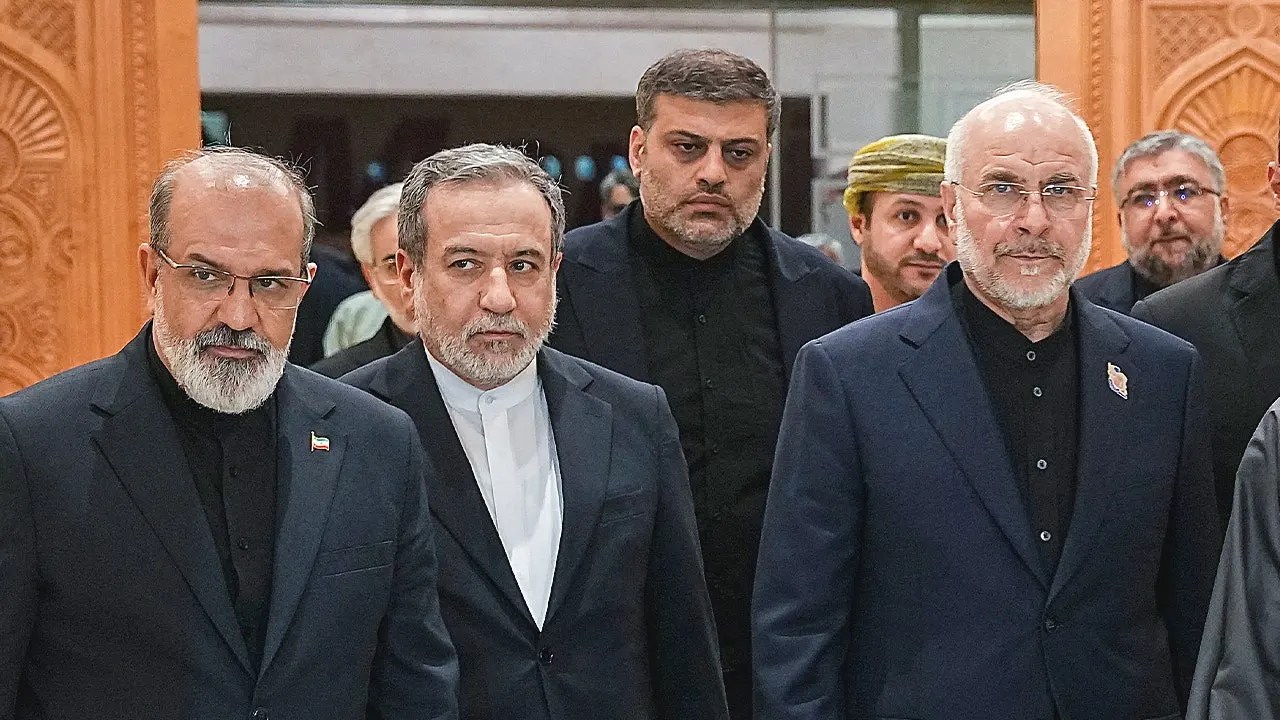
Tehran has deployed a new front on Western social media, including an influence campaign to sway Americans and undermine President Donald Trump’s push for a deal, analysts warn. (Hamed Malekpour / Middle East Images / AFP via Getty Images)
Mohammed concluded that this dual system—domestic censorship paired with an “open megaphone” for Western audiences—confirms the campaign is a calculated external influence operation rather than organic expression.
Also Read
- Australia politics live: Vanuatu PM in Canberra as hopes rise over treaty; fossil fuel companies accused of marketing to children
- IDF Destroys 200‑Meter Hezbollah Tunnel in Southern Lebanon, Netanyahu Confirms
- Top Dividend Picks for a $3,000 Investment Portfolio
- Marvell (MRVL) Rises on AI Chip Momentum: Is the Stock’s Recovery Sustainable?