



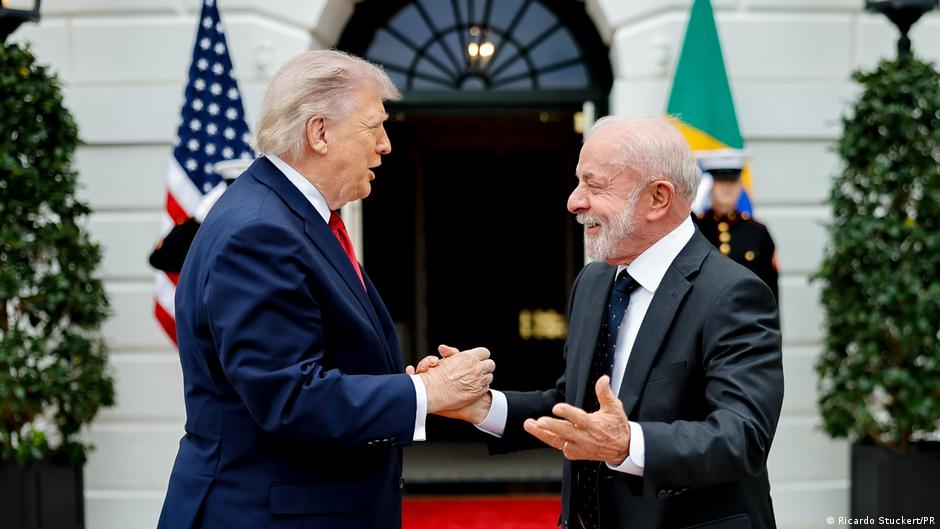
The U.S. Trade Representative’s office (USTR) announced it will implement a 25% tariff on the majority of Brazilian imports, effective July 22. This marks the first such trade barriers enacted since the Supreme Court struck down the foundation of former President Donald Trump’s expansive tariff policies, initially unveiled during his 2025 “Liberation Day” announcement. The move underscores growing friction between the Trump administration and Brazil’s President Luiz Inacio Lula da Silva, intensified by Trump’s ties to Brazil’s far-right former president Jair Bolsonaro and his family. Brazil is scheduled to hold general elections this October.
A USTR investigation concluded that Brazil engaged in unfair trade practices across sectors including digital commerce, deforestation, and its instant payment system, Pix, which the agency claims disadvantages U.S. credit card firms. USTR representative Jamieson Greer stated that prolonged negotiations with Brazil have failed to resolve these concerns but emphasized ongoing openness to future discussions. He framed the tariffs as a reflection of President Trump’s “America First” economic priorities, targeting key Brazilian exports like sugar, agricultural machinery, and steel while exempting high-demand items such as beef, coffee, aircraft, and rare earth materials.
Secretary of State Marco Rubio attributed the tariffs to Lula’s administration, accusing it of negotiating in bad faith. He argued that Brazil’s “ego-driven” policies harm both nations and claimed the measures serve as a consequence of Lula’s failure to secure a deal benefiting the Brazilian public.
In response, President Lula condemned the tariffs as a “lamentable milestone” in bilateral relations, rejecting the U.S.’s unilateral action and highlighting the significant U.S. trade surplus with Brazil. He pledged to pursue reciprocal measures through the World Trade Organization’s dispute resolution process. Lula further alleged the tariffs stem from a “plot” involving the Bolsonaro family, citing former President Jair Bolsonaro’s ongoing legal troubles over coup-related charges. Despite his father’s ties to Trump, Senator Flavio Bolsonaro previously urged against the tariffs, arguing they could inadvertently bolster Lula’s re-election bid during a May USTR meeting.
The tariffs are based on investigations under Section 301 of the U.S. Trade Act, following the Supreme Court’s invalidation of Trump’s prior tariff regime. Since then, the USTR has initiated nearly 80 similar probes, targeting major economies including China, the EU, and Mexico, to establish alternative trade barriers amid legal constraints.
US Supreme Court rejects Trump’s global tariffs
To view this video please enable JavaScript, and consider upgrading to a web browser that supports HTML5 video
Also Read
- Markets Mixed Ahead of Netflix Earnings as Dow Futures Edge Up, S&P 500 Steady, Nasdaq Slips
- Massive Kyiv Demonstrations Condemn Dismissal of Defence Minister Mykhailo Fedorov
- UnitedHealth Surpasses Q2 Expectations, Raises Annual Earnings Forecast Amid Cost Management Efforts
- Karachi court approves 7-day physical remand of 3 suspects in Dr Akash murder case