



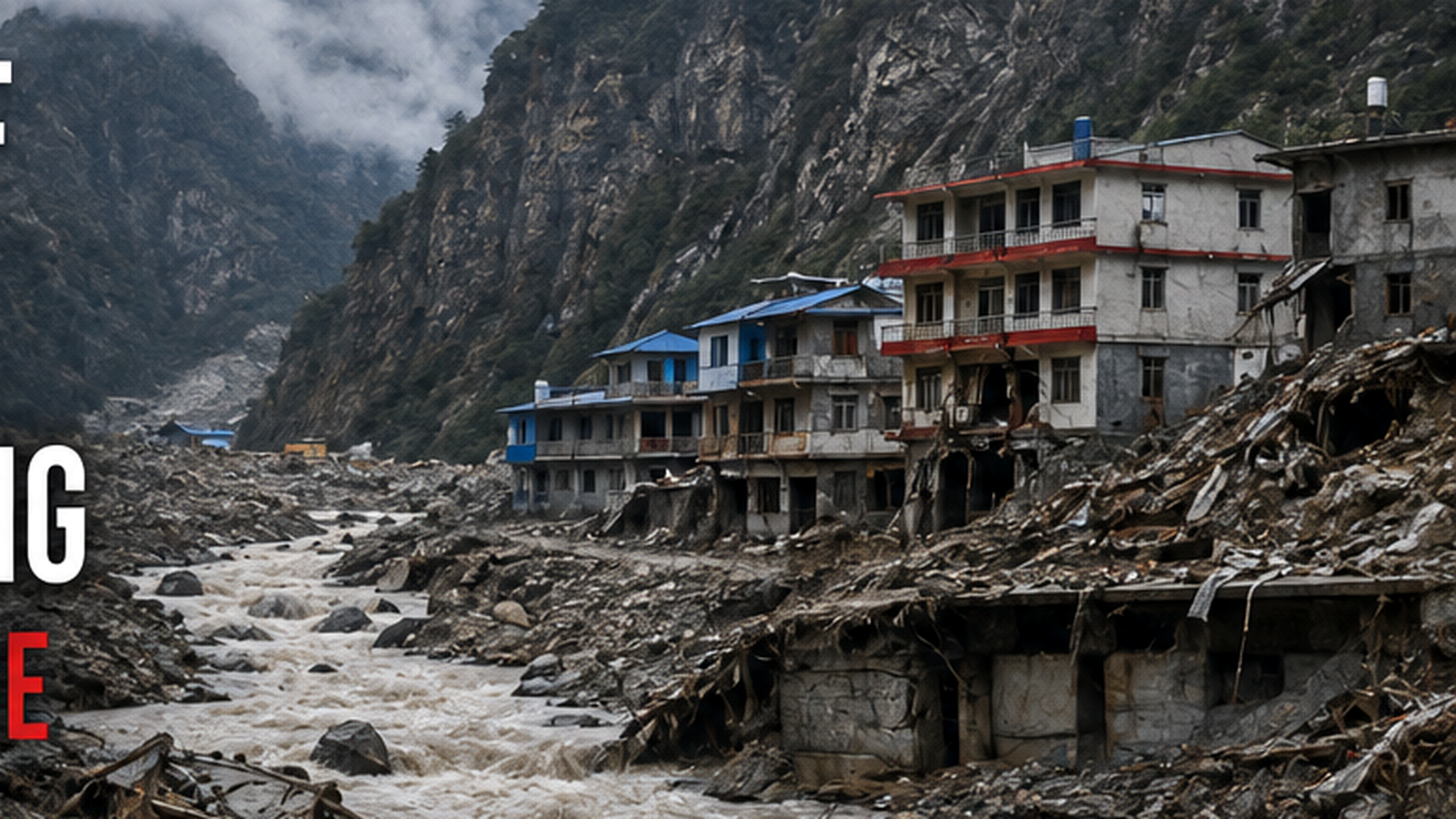
More than 1,400 remain missing after a glacial collapse unleashed a catastrophic debris flow across the Nepal-Tibet border region.
KATHMANDU — Nepal and China have warned of renewed flooding in the Himalayan border region as rescue teams continue searching for more than 1,400 people missing after a catastrophic glacial collapse and debris flow devastated communities across Nepal and Tibet.
The death toll from the Himalayan flood disaster has risen to 469 in Nepal, while Chinese authorities have reported three additional deaths in Tibet, as rescue teams race to locate survivors and recover victims from areas buried under mud, rock and debris.
The disaster struck on Wednesday after a major glacial collapse sent a powerful torrent of ice, water, mud and rock through mountain valleys near the Nepal-China border, destroying villages, roads, bridges and other infrastructure.
The U.S. Geological Survey said seismic signals initially interpreted as an earthquake were later assessed as being associated with a glacial collapse and debris flow, which produced catastrophic downstream impacts.
Many of those still unaccounted for are foreign tourists, trekkers and pilgrims travelling through the Himalayan region, including people heading toward the sacred Mount Kailash in Tibet.
Fresh Flood Threat
Rescue efforts are now being complicated by fears of another sudden flood.
Authorities in Nepal and China have warned that debris deposited by the disaster has blocked waterways and created temporary lakes upstream. One expanding lake poses a significant breach risk, potentially sending another surge of water into already devastated downstream communities.
Nepal’s flood authorities have urged residents, travellers and rescue personnel in high-risk downstream areas to remain away from riverbanks and move to safer locations until the danger subsides.
Chinese authorities have also warned that continued rainfall could add millions of cubic metres of water to a barrier lake over the coming days, further increasing the possibility of a sudden breach.
Hundreds of Foreigners Missing
Hundreds of foreign nationals remain missing or out of contact.
Those affected include citizens from India, the United States, Australia, Britain, Malaysia, South Korea and several other countries.
Many travellers had been moving through Nepal toward the Tibet border or travelling on religious pilgrimages to Mount Kailash when the disaster struck.
Chinese authorities said hundreds of tourists and local residents have already been evacuated from affected areas in Tibet, while emergency teams continue operating with helicopters, boats, drones, satellites and search dogs.

Rescue Operation Continues
Nepalese security forces and emergency personnel are searching through thick layers of mud and collapsed structures, while helicopters and ground teams are transporting survivors and supplies from areas cut off by damaged roads and bridges.
The flood travelled deep into Nepal through major river systems, leaving widespread destruction across several districts.
Nepalese authorities have ordered immediate relief for displaced families and instructed officials to reopen blocked roads and maintain rescue operations in affected regions.
Glacial Collapse Highlights Himalayan Risks
The disaster has renewed concern over the increasing vulnerability of Himalayan communities to glacier-related hazards.
Scientists have warned that warming temperatures are accelerating glacier retreat across mountain regions, potentially increasing the risks associated with unstable ice masses, glacial lakes, landslides and sudden outburst floods.
Global In-Depth will continue to monitor official updates as the rescue operation and secondary flood threat develop.