




An extraordinary mosaic of photographs captured by an astronaut aboard the International Space Station reveals a breathtaking optical phenomenon transforming Lake Powell in southern Utah into a shimmering, silver river. This rare event, known as “sunglint,” occurs when sunlight reflects off a water surface directly into the line of sight of an observer in orbit, giving the landscape a metallic, mirror-like sheen. By stitching together multiple photos taken as the reflective light swept along the reservoir’s winding path, astronauts were able to capture the entire waterway glowing brilliantly.
Located on the Colorado River within the steep ravines of Glen Canyon, Lake Powell stretches across southern Utah and northern Arizona. The artificial reservoir begins roughly 70 miles (110 kilometers) southwest of Moab and extends about 60 miles (100 kilometers) northeast of the Grand Canyon. When fully filled, it can hold up to 1.2 billion cubic feet (33.3 million cubic meters) of water, making it the second-largest reservoir in the United States.
The reservoir was formed in the 1960s following the construction of the Glen Canyon Dam, which was completed in 1966. Over the next 17 years, water levels rose by approximately 200 feet (60 meters), submerging the spectacular canyon landscape. In addition to providing vital hydroelectric power, Lake Powell has become a major hub for tourism and recreation.
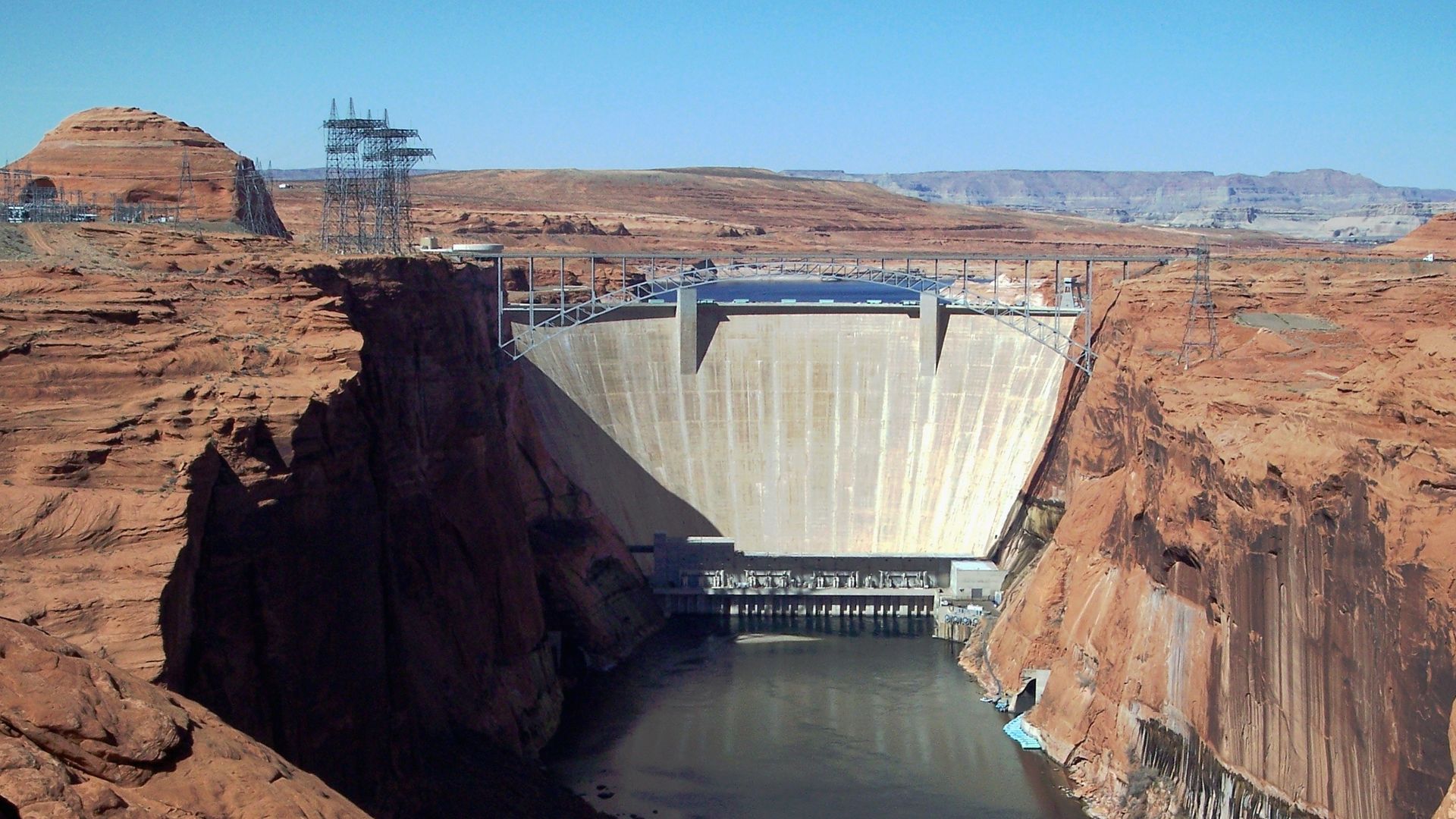
The reservoir was named after John Wesley Powell, a legendary explorer and former director of the U.S. Geological Survey, who mapped the Colorado River and Glen Canyon in the late 1860s. Powell was deeply captivated by the canyon’s dramatic scenery, describing it as a “labyrinth of overhanging cliffs, hanging gardens, sweeping river bends, and natural arches set amidst a backdrop of colorful buttes and mesas.” In his 1875 book, Canyons of the Colorado, he wrote: “Past these towering monuments, past these mounded billows of orange sandstone, past these oak-set glens, past these fern-decked alcoves, past these mural curves, we glide hour after hour, stopping now and then, as our attention is arrested by some new wonder.”
From orbit, some of the region’s most striking geological features are still visible. One prominent feature is a large, doughnut-shaped depression known as The Rincon, which appears as a dark ring surrounding a bend along one of the widest sections of the lake. Spanning up to 3 miles (5 km) across, this rusty formation marks the location of an ancient loop of the Colorado River that dried out thousands of years ago when a portion of the canyon collapsed, diverting the water flow.
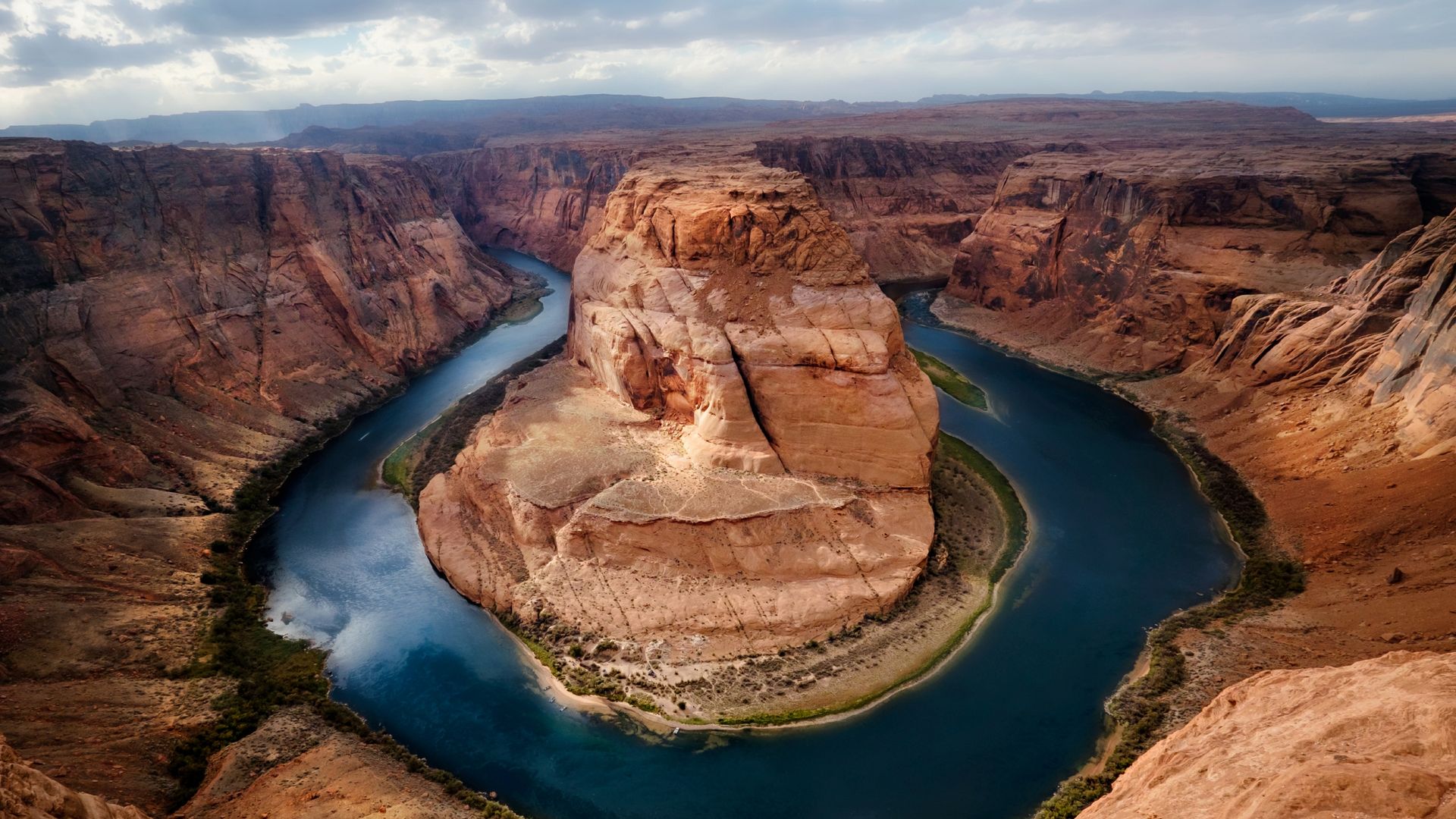
Tragically, many of the natural wonders that Powell marveled at have been permanently lost beneath the reservoir’s high water levels. This includes the acoustically unique side canyon known as the Music Temple. However, during periods of severe drought, when water levels temporarily recede, some of these submerged treasures are briefly exposed. For instance, in 2023, researchers discovered rare fossils of a mammal-like Jurassic creature just beneath the lake’s high-water line.
The discovery highlights the ongoing tension between the region’s ecological history and modern water management. In recent years, environmental advocacy groups have petitioned to drain Lake Powell, restoring Glen Canyon to its natural state as the vibrant “heart of the Colorado River” and reducing water stress on the broader river system. However, experts note that such a massive undertaking remains highly unlikely in the foreseeable future.
Also Read
- ‘Carrie’ Release Date: How Mike Flanagan’s Remake Differs From the Horror Classic
- Mapping Human Genetic History: How Sohini Ramachandran Leverages Biobanks to Trace Ancestry and Complex Traits
- Security researcher claims they found KVM guest-host escape flaw
- Complete Solutions for the New York Times Mini Crossword – Tuesday, Oct. 6