







Fall has arrived, and with it comes the promise of longer nights and clearer skies — a welcome change for anyone with an interest in astronomy. Earlier sunsets mean more hours of darkness, and many beloved celestial sights and deep-sky objects begin to reappear after months of absence.
This season is especially friendly to casual observers. Cooler temperatures and earlier evenings make for a comfortable compromise before the harsh cold of winter sets in. Best of all, you don’t need expensive equipment to enjoy most of what autumn has to offer; several highlights are best appreciated with the naked eye alone.
September through November bring planetary oppositions, reliable meteor showers, and excellent opportunities to photograph distant galaxies and nebulas with a smart telescope. November also delivers the year’s first full supermoon. So grab your telescope, a headlamp, and a warm sweater — here’s everything to look forward to.
Lunar & Planetary Events
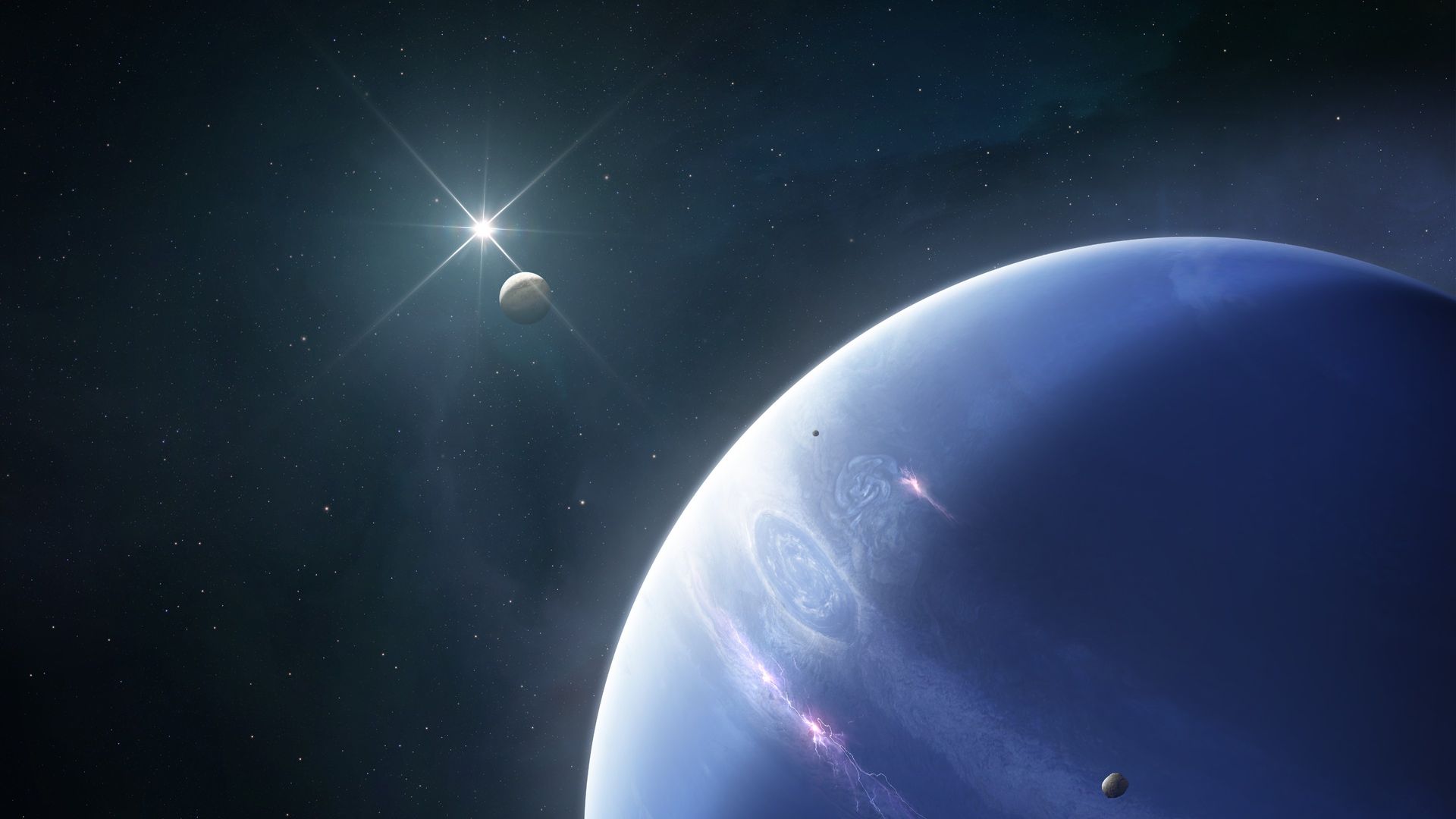
Neptune at Opposition

(Image credit: Getty Images)
Neptune reaches opposition on September 26 at 02:00 UTC, shining at magnitude +7.8 — its brightest for the year. Unfortunately, the full moon will compete for visibility, and Neptune is never easy to spot even under ideal conditions. The opposition window lasts several weeks, so waiting a couple of weeks for the new moon won’t make much difference.
A telescope with at least a 6-inch aperture is essential; 8 inches or more gives the best results. Pair it with a high-powered eyepiece (6mm or 9mm) or a quality Barlow lens. Even then, Neptune will appear as a tiny bluish disc with no visible cloud bands or surface features — but catching it is still worthwhile.
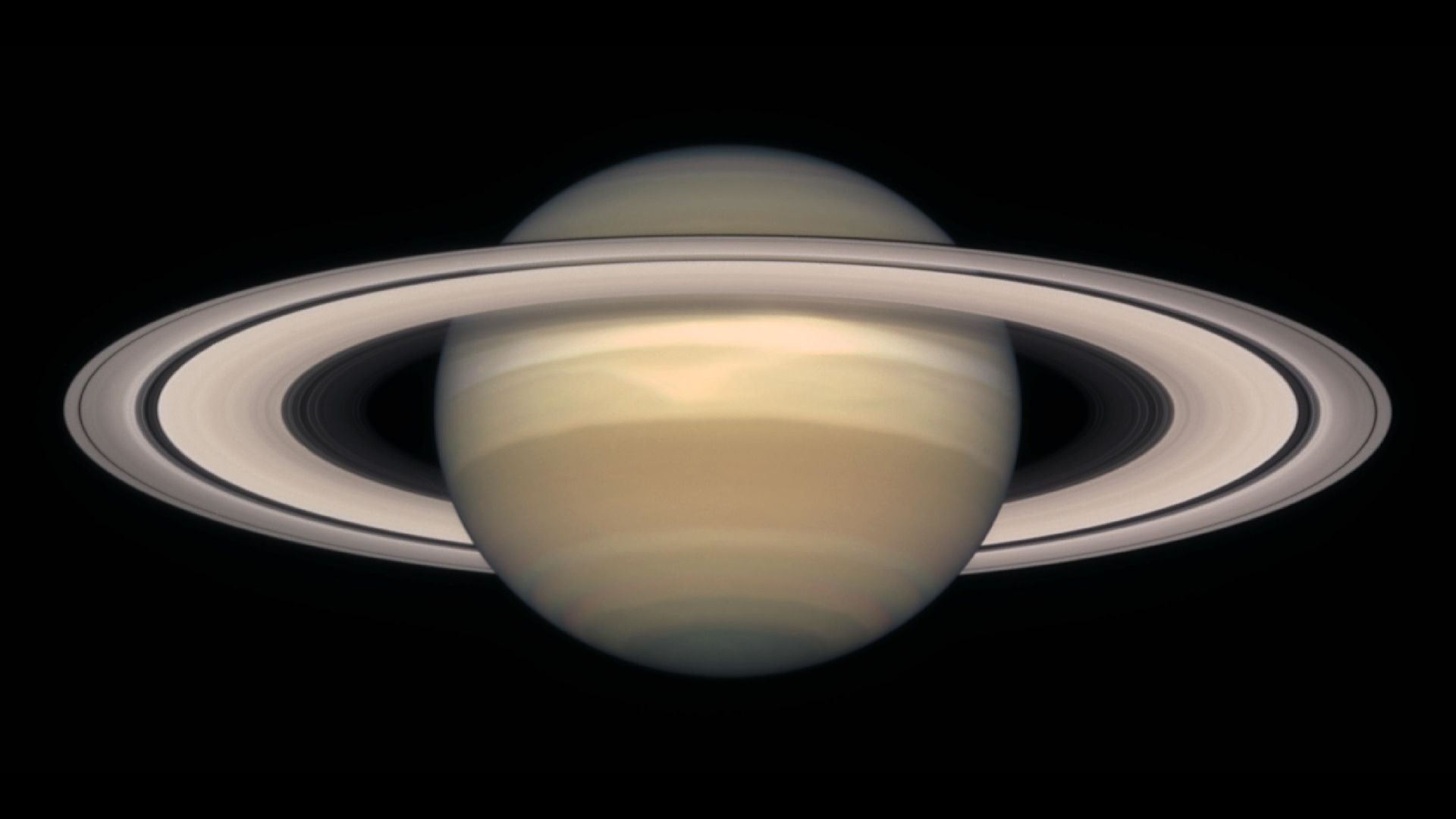
Saturn at Opposition
(Image credit: NASA / Hubble)
A week later, on October 4 at 12:00 UTC, Saturn reaches opposition at magnitude +0.3. It’s easily visible to the naked eye, but a telescope is needed to appreciate the rings or spot the larger moons.
The moon will be below 50% illumination and won’t rise until after midnight, giving you a solid window of late-evening observing before moonlight interferes. Even with only partial tilt, the rings form a lovely golden oval; larger telescopes reveal the Cassini division. Aperture of 4 to 5 inches or more, combined with a quality high-powered eyepiece, is recommended for finer detail.
Full Supermoon
(Image credit: Dawn Villwok-Joerg/Getty Images)
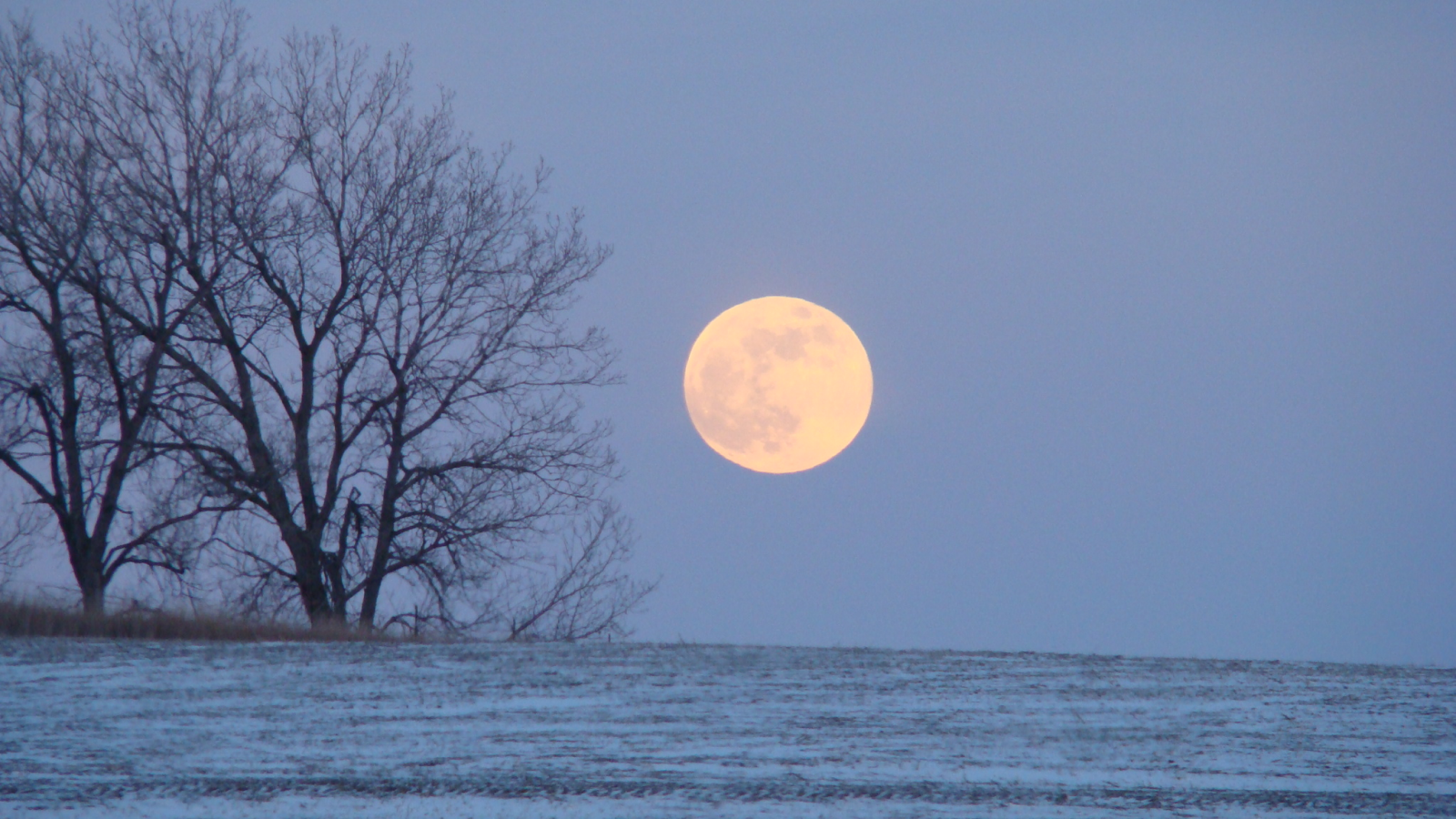
November 24 brings the season’s first full supermoon — the Beaver Moon — shining roughly 15% brighter than a typical full moon.
No gear is required to enjoy it, but binoculars, a telescope, or a camera will greatly enrich the experience. Before then, you can catch the other seasonal full moons on September 26 and October 26.
Uranus at Opposition
(Image credit: ARTUR PLAWGO / SCIENCE PHOTO LIBRARY via Getty Images)
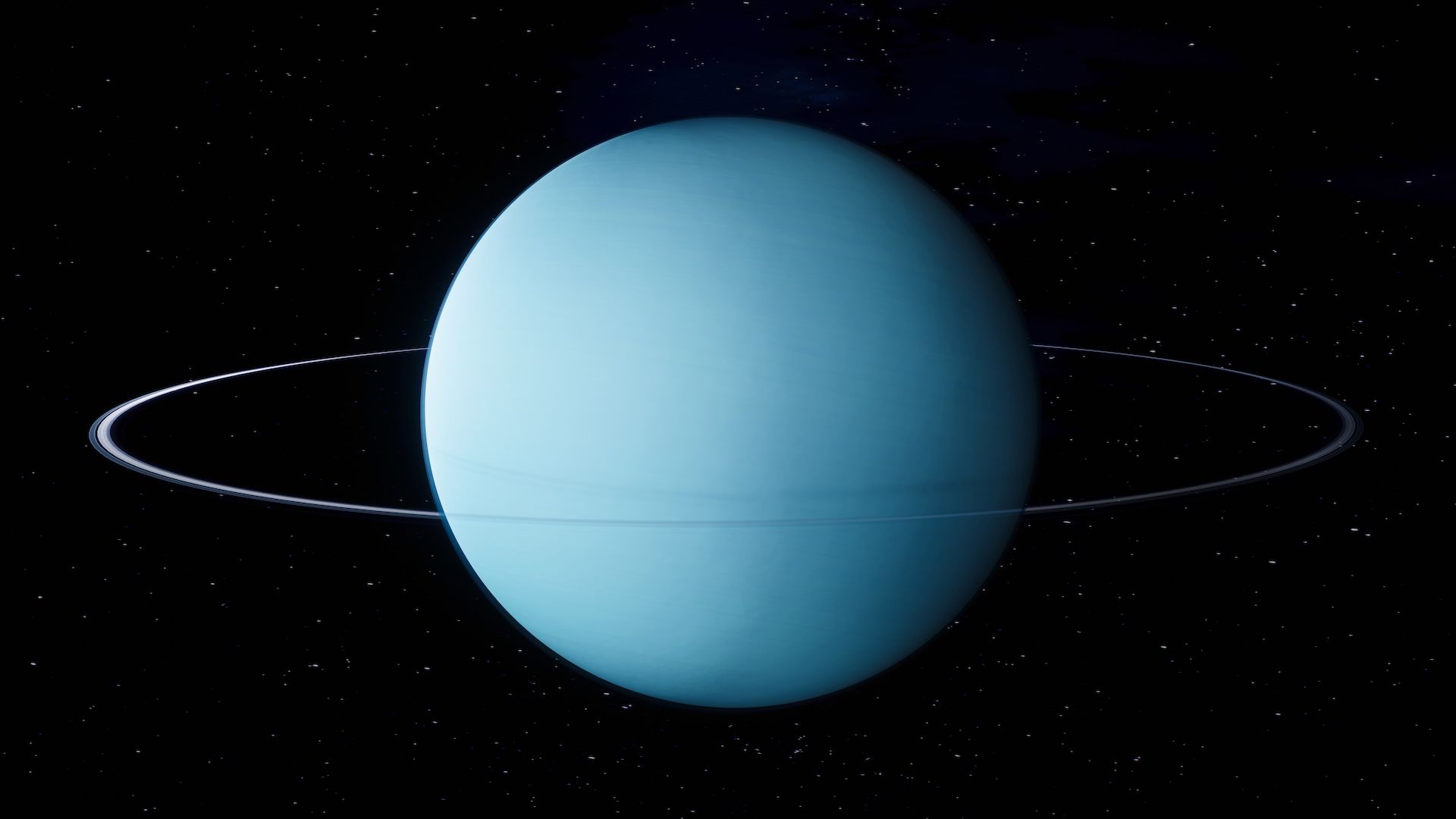
The third planetary opposition of fall belongs to Uranus on November 25 at 23:00 UTC. As with Neptune, the nearly full moon will dampen visibility, so waiting for the new moon week is wise.
A larger telescope with 6 to 8 inches of aperture and a quality high-powered eyepiece will reveal Uranus’s distinctive turquoise color; even larger instruments are needed to spot its brightest moons.
Meteor Showers
Draconids
(Image credit: Getty Images)
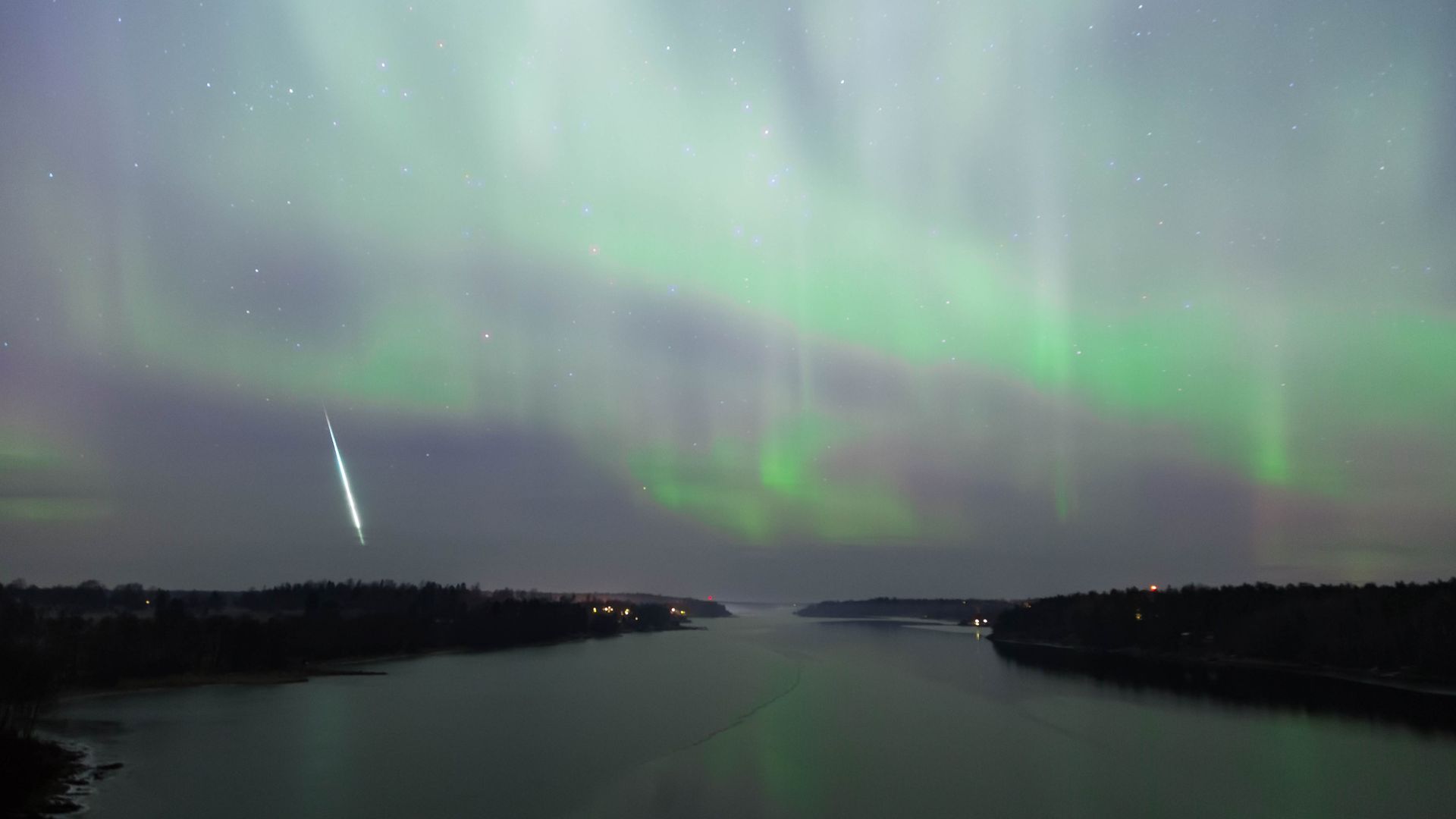
The first meteor shower of the season, the Draconids are unusual in that they’re best viewed in the late evening rather than the pre-dawn hours. Active between October 6 and 10 and peaking on the night of October 8–9, the shower benefits from a thin crescent moon and a radiant point in Draco that sits highest right after sunset.
The meteors are debris from comet 21P/Giacobini-Zinner, and under ideal conditions you can expect around 6 to 10 meteors per hour.
Orionids
(Image credit: Mountain Light Photography Inc via Getty Images)
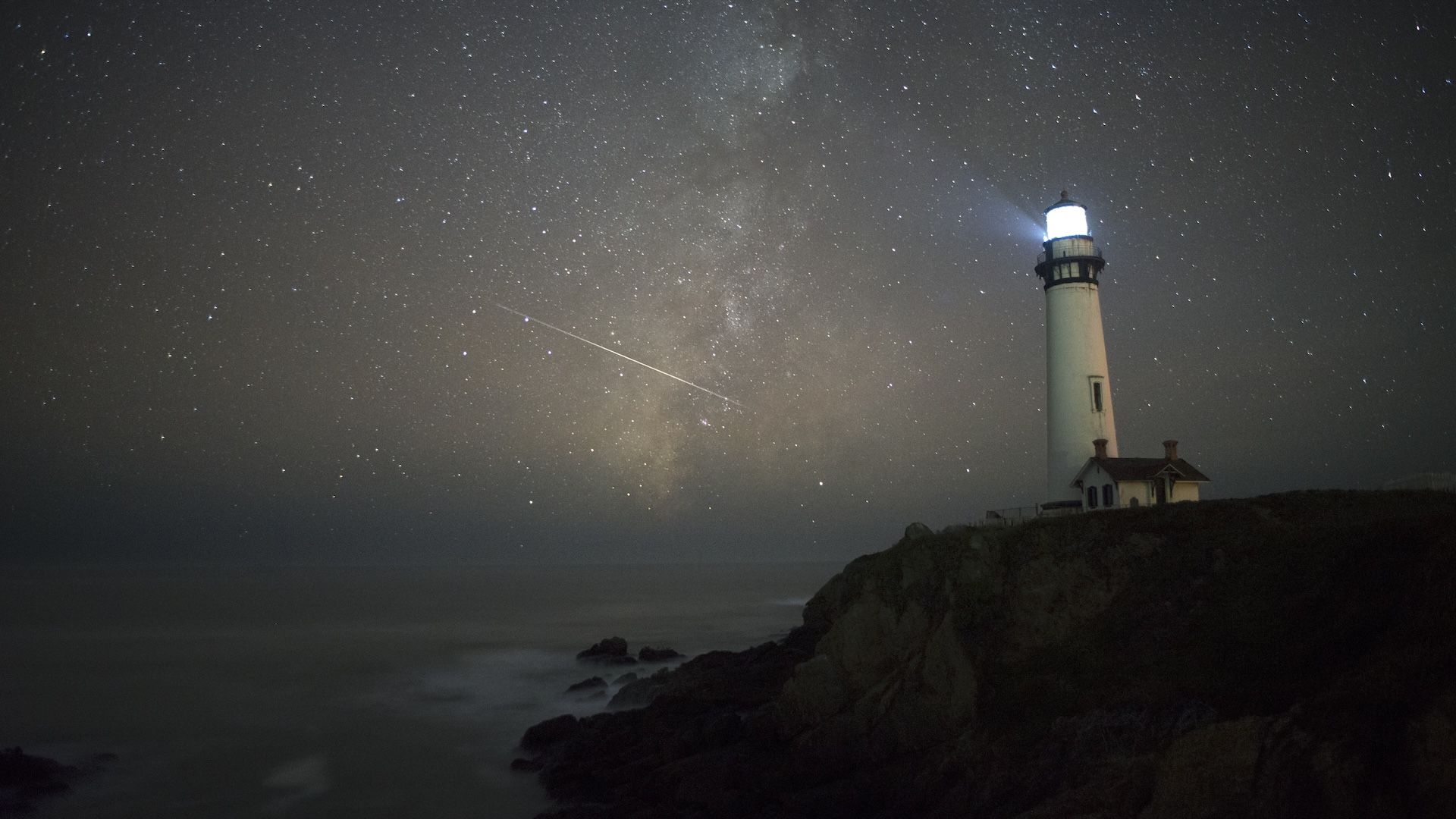
The Orionids occur every October when Earth passes through debris left by Halley’s Comet. In 2026 the shower runs from October 2 to November 7, peaking on the night of October 21–22. It produces 10 to 20 meteors per hour under dark skies, radiating from Orion.
A waxing gibbous moon will add some light pollution, but it sets between 03:12 am and 04:15 am depending on your location, leaving a few pristine hours before dawn. Just your eyes and a clear, dark sky are all you need — though a wide-angle astrophotography camera will capture beautiful results.
Taurids
(Image credit: Getty Images)
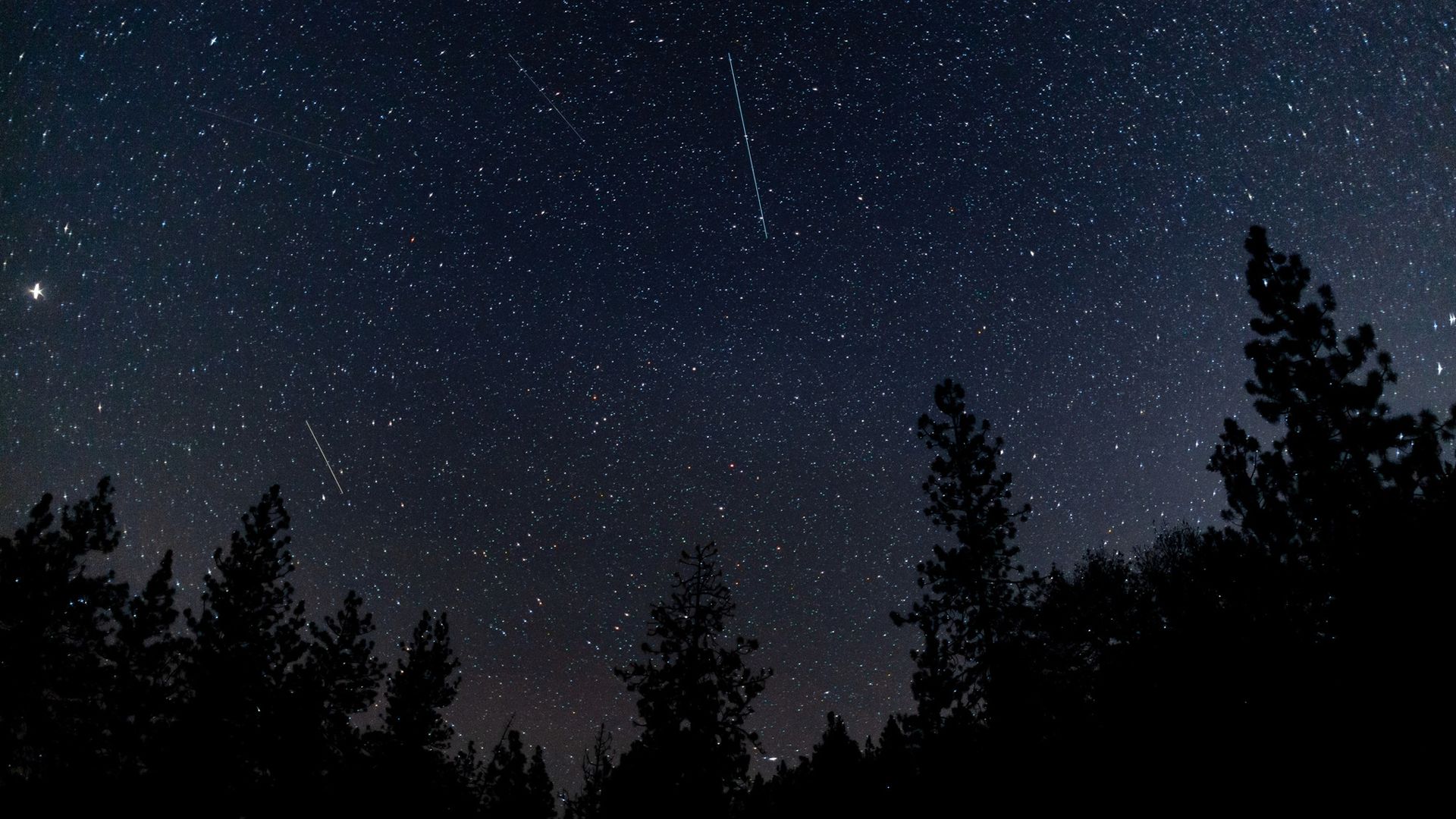
The Taurids split into two streams. The Southern Taurids are active September 10 through November 20, peaking November 4–5 under a thin waning crescent moon. The Northern Taurids run October 20 to December 10, peaking November 12 under an even smaller waxing crescent.
The hourly rate is among the lowest of all showers — around 5 meteors per hour — but the Taurids are known for bright, slow-moving fireballs that linger, making them a rewarding astrophotography target. Peak viewing is around midnight when Taurus reaches its highest point.
Leonids
(Image credit: Getty Images)
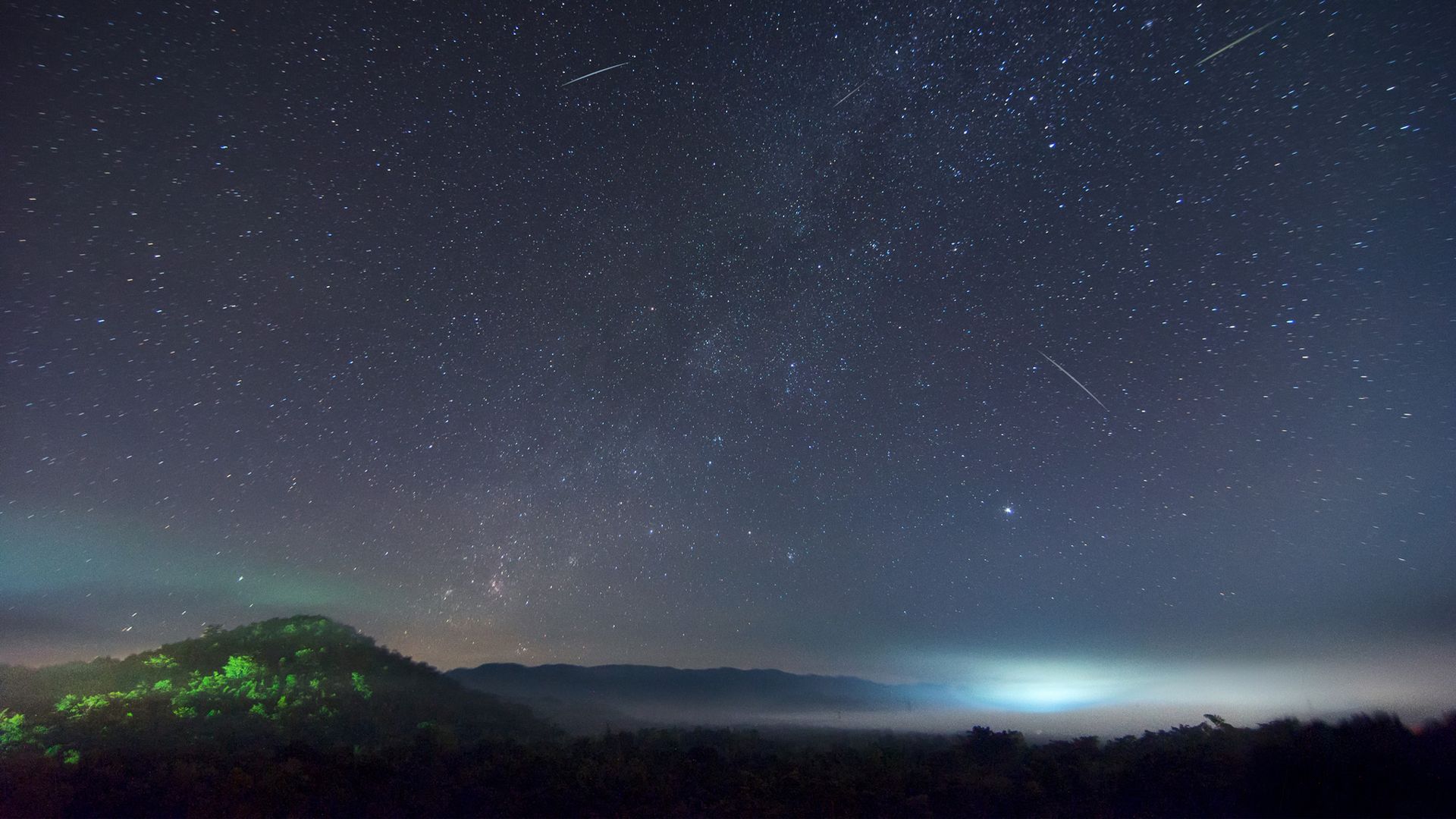
Radiating from Leo, the Leonids come from debris left by comet 55P/Tempel–Tuttle, which orbits the Sun every 33 years. The shower produces 10 to 15 meteors per hour, active November 6–30 and peaking on the night of November 17–18.
The first quarter moon sets around midnight, leaving dark skies between midnight and 4 am for the best viewing.
Star Clusters & Constellations
Pleiades (and Hyades)
(Image credit: Giulio Ercolani / Alamy)
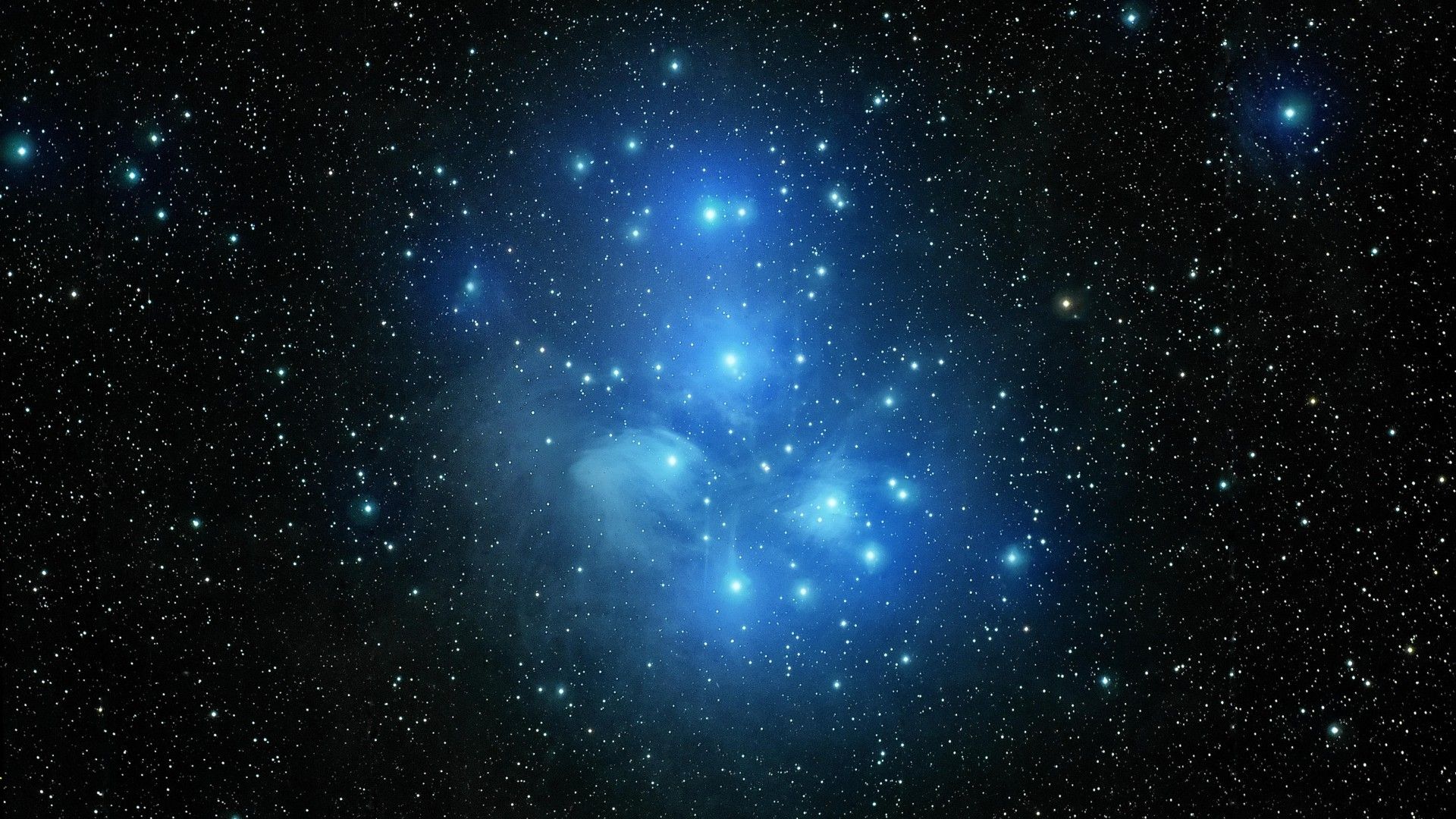
The Pleiades (M45), the famous “Seven Sisters” open cluster in Taurus, slowly returns to the autumn sky. By October it rises a couple of hours after sunset and is visible from dusk to dawn through November. Though roughly 440 light-years away, it’s visible to the naked eye under dark conditions — usually as a faint, fuzzy patch — but binoculars or a telescope transform the view.
In Greek myth, the seven sisters were daughters of Atlas and Pleione, transformed by Zeus to escape Orion’s relentless pursuit. Below the Pleiades lie their five half-sisters, the Hyades, forming the V-shaped face of Taurus.
The Pleiades are a fantastic smart-telescope target. Begin imaging in late November when the cluster is high in the sky — aim for an altitude of 50 degrees or more. The cluster itself is easy, but pulling out the delicate blue nebulosity requires minimal atmospheric interference. Shoot under moonless skies with no more than 25% moonlight, integrating 2–3 hours for a clean result and 3–5 hours for something truly spectacular.
Pegasus
(Image credit: Getty Images)
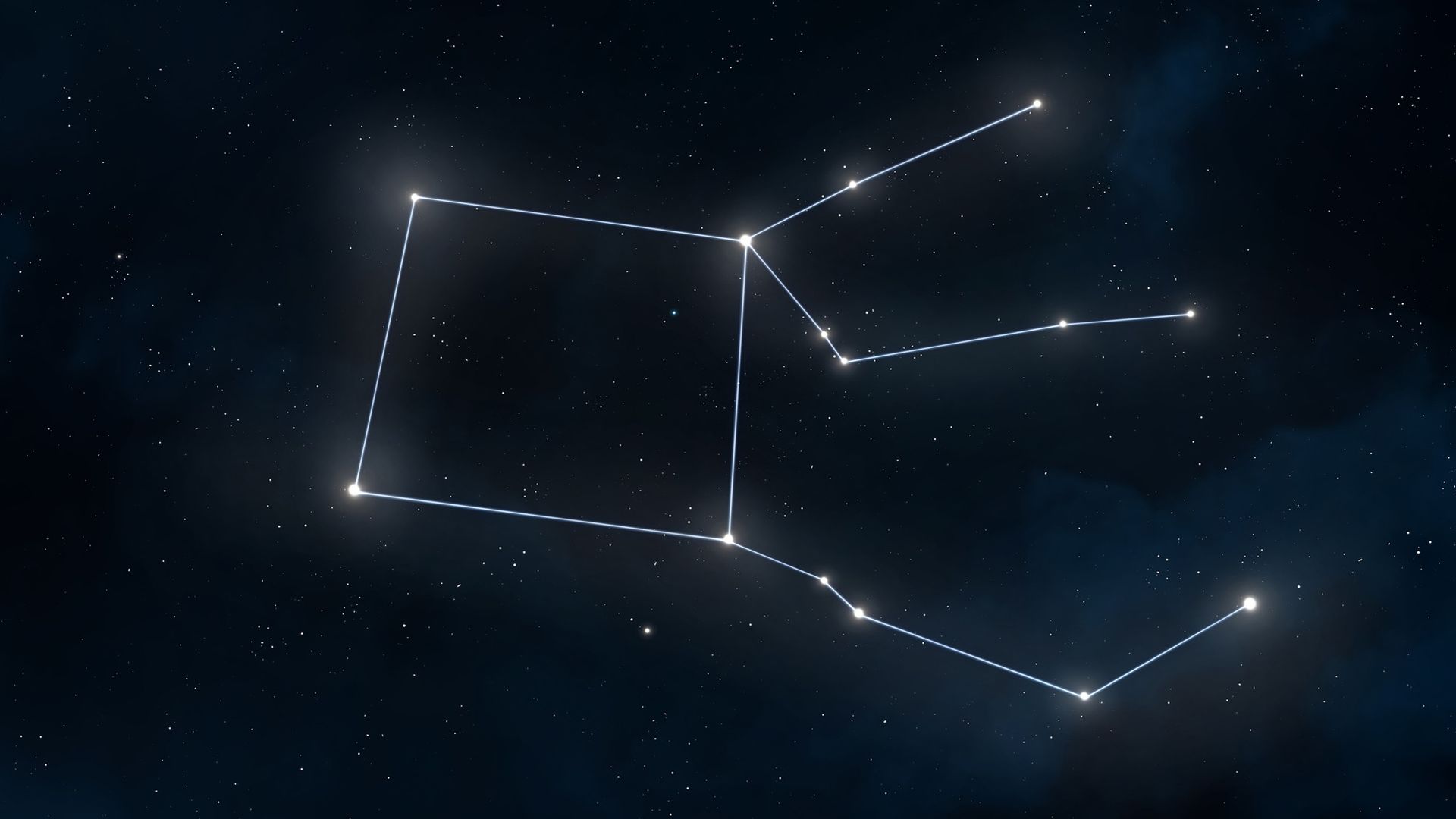
The Great Square of Pegasus is best seen in fall evenings between September and January, with October offering the clearest, highest views. The asterism is formed by four bright stars — Markab, Scheat, Algenib, and Alpheratz (the latter in neighboring Andromeda) — spanning 133 to 670 light-years. Binoculars reveal many more stars hidden within the square.
Cassiopeia
(Image credit: Getty Images)
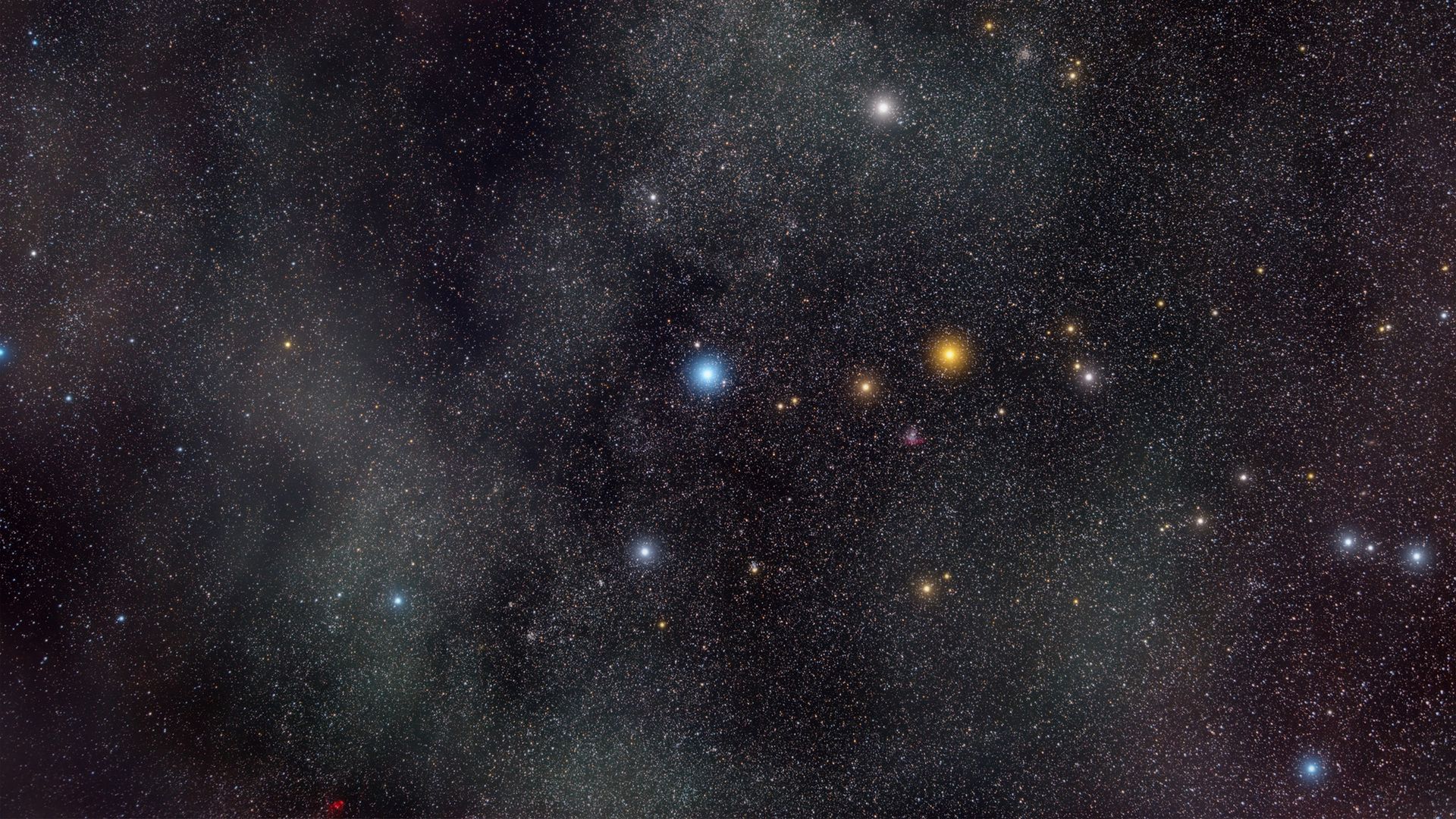
Cassiopeia is a Northern Hemisphere circumpolar constellation, technically visible all year but best in autumn and winter. It climbs higher through fall, reaching culmination in mid-November between 9 pm and midnight. Depending on its rotation it appears as a “W” or “M” of five bright stars, 19 to 425 light-years away, easily visible naked-eye.
In myth, Cassiopeia was a vain queen whose boastfulness angered the gods; she was placed in the sky tied to her throne, spending half the year upside down as punishment.
The Owl Cluster
(Image credit: Stocktrek Images via Getty Images)
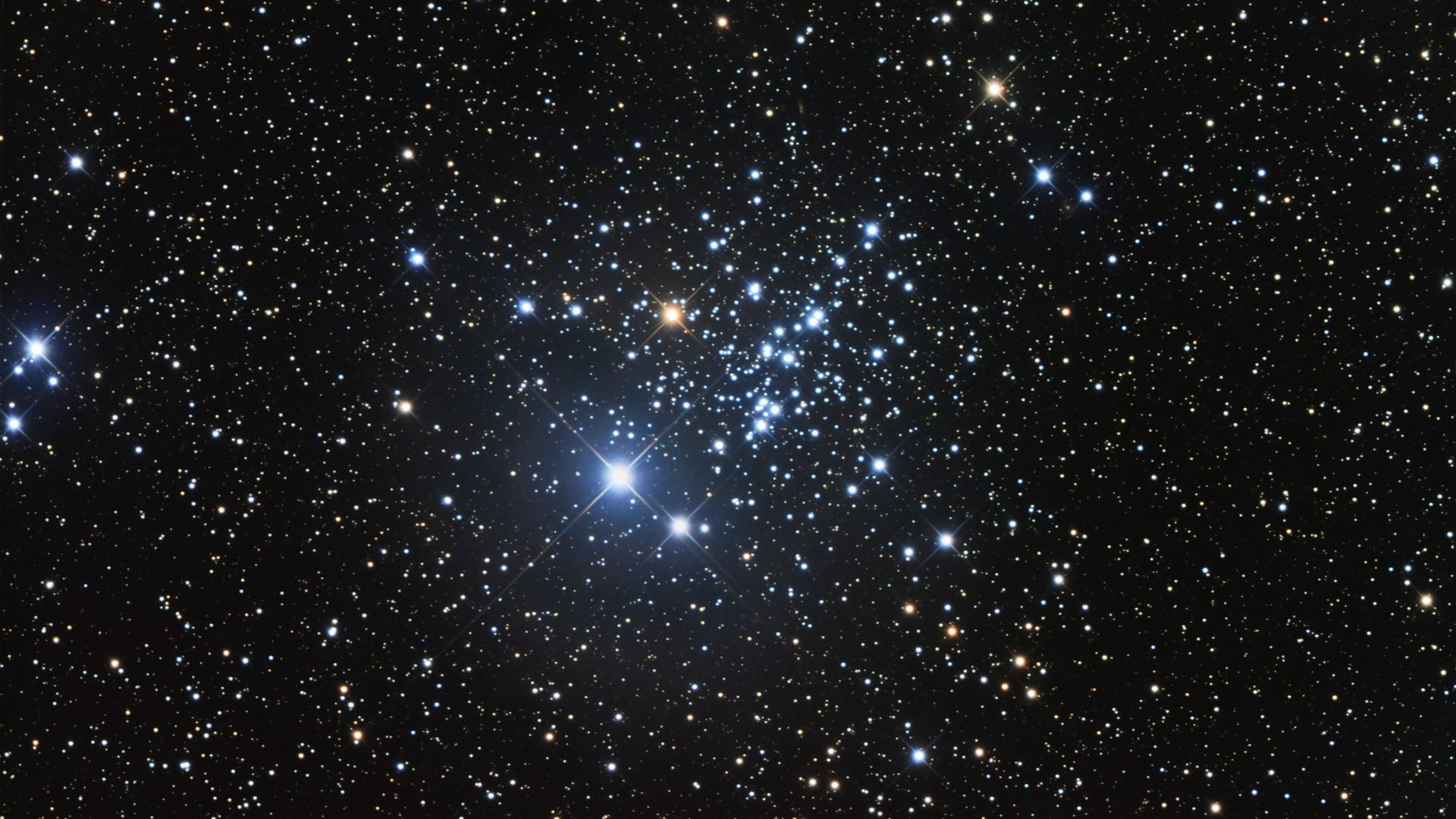
Within Cassiopeia lie several hidden gems. The Owl Cluster (NGC 457) is a bright open cluster near the bottom-left star of the “W,” containing about 150 stars (60 confirmed members) at roughly 8,000 light-years. Its blue and yellow “eyes” are the stars Phi Cassiopeiae and HD 7902. Astronomy binoculars — 15×70 for a decent view, 20×80 for better detail — are all you need.
Caroline’s Rose
(Image credit: Alan Dyer/StockTrek Via Getty Images)
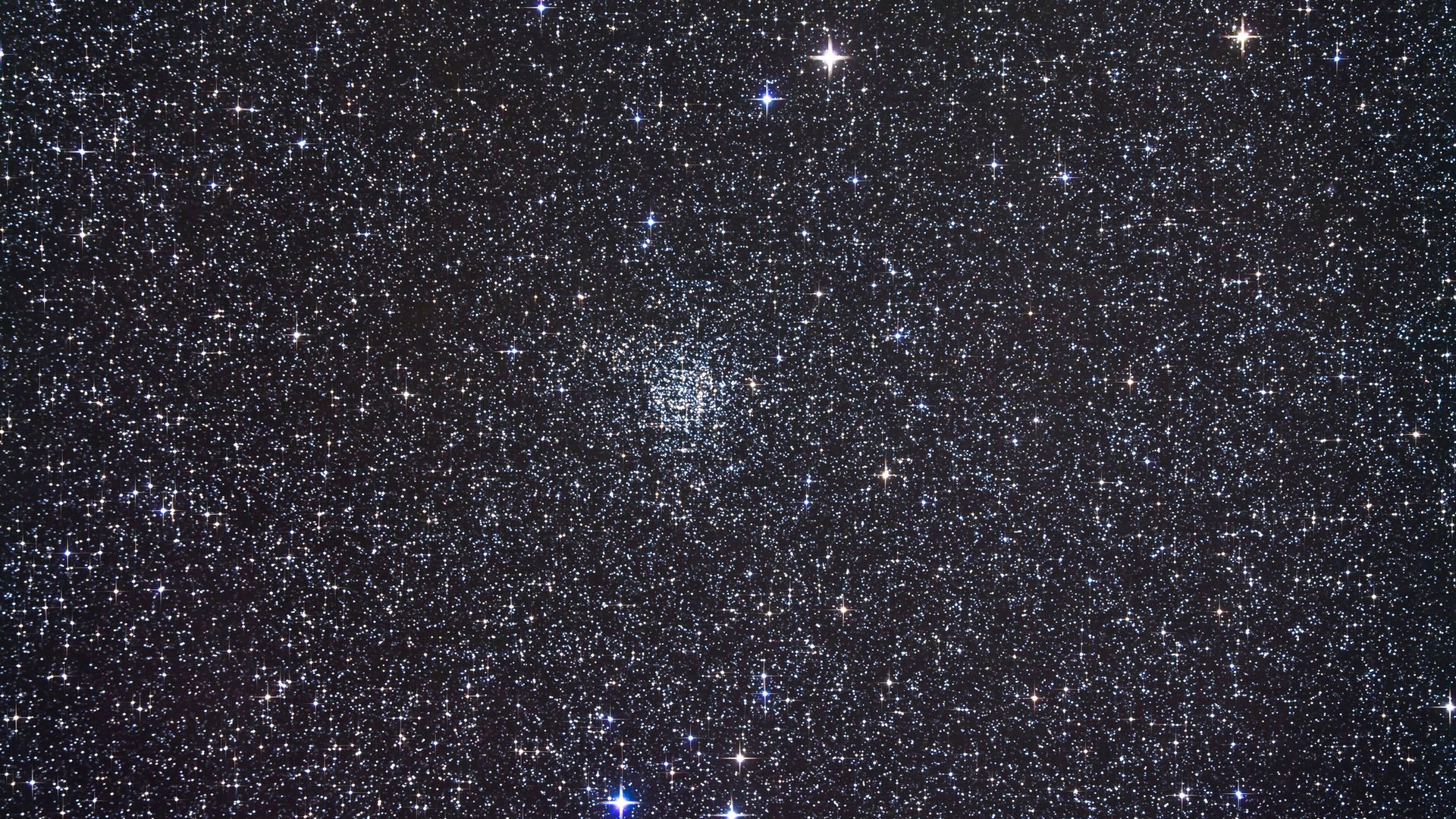
Caroline’s Rose (NGC 7789) is another open cluster in Cassiopeia, discovered by Caroline Herschel in 1783. It contains over 1,000 confirmed members with estimates up to 3,000 stars, and its winding loops of stars and dark lanes resemble the petals of a cosmic rose. It’s estimated to be 1.4 to 1.7 billion years old.
Binoculars reveal it under reasonably dark skies, but a telescope provides the best views.
Deep-Sky Nebulas & Galaxies
Andromeda Galaxy
(Image credit: Getty Images)
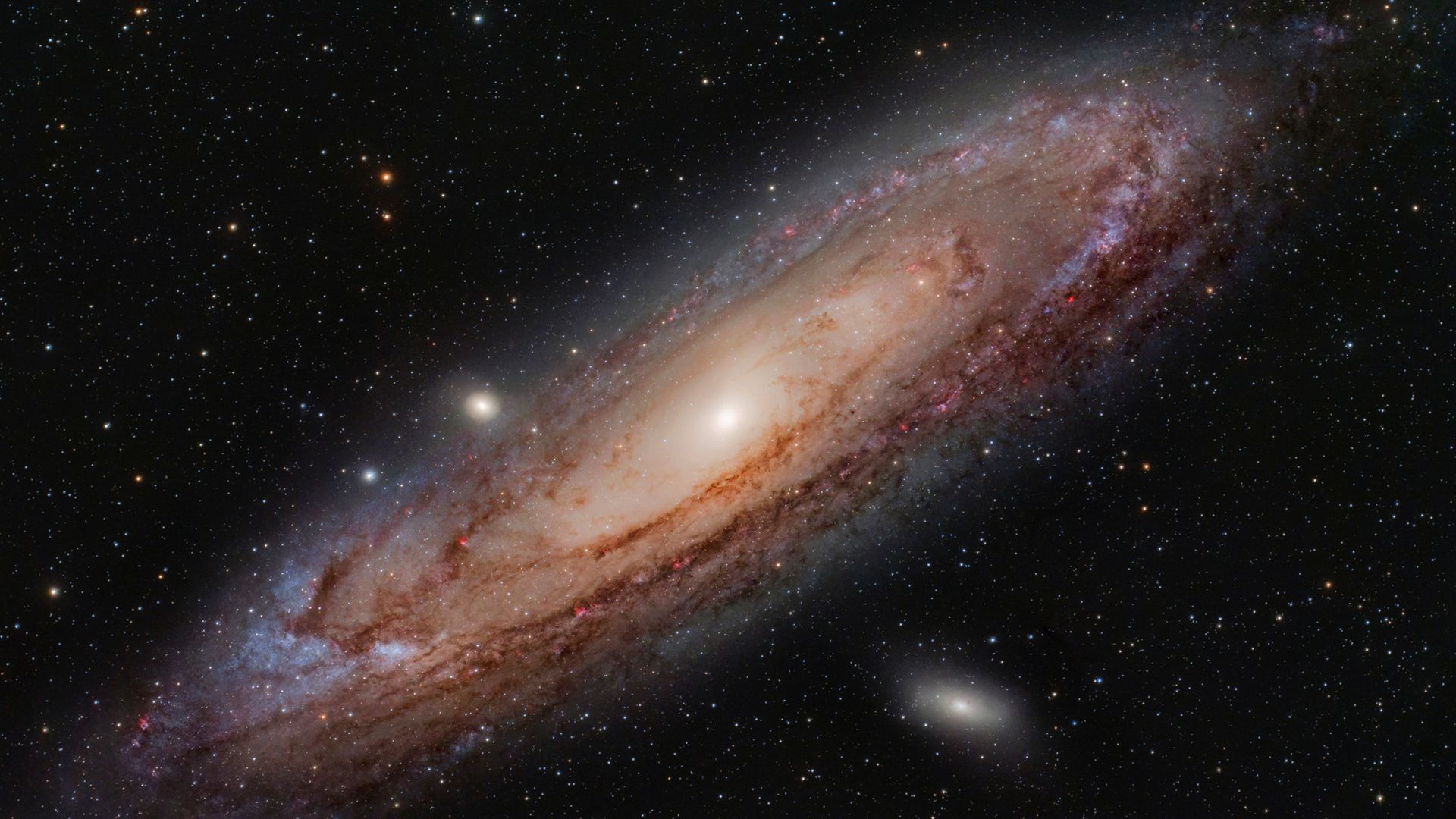
Our nearest large galactic neighbor, Andromeda (M31), sits about 2.5 million light-years away and may merge with the Milky Way in roughly 10 billion years. For now, we can enjoy it from a safe distance. October and November are prime months, with the galaxy highest between 7 pm and 11 pm.
Under clear, dark skies it’s the most distant object visible to the naked eye — a faint smudge. Binoculars give a slightly larger, brighter view; a telescope delivers the best results. It’s a great first target for smart-telescope users, with dust lanes emerging after 30–60 minutes. For detailed outer arms, integrate 3–4 hours on a moonless night with minimal light pollution.
In myth, Andromeda was Cassiopeia’s daughter, chained to a rock as sacrifice to the sea monster Cetus, then rescued by Perseus — and later placed among the stars.
Helix Nebula
(Image credit: NASA/CXC/SAO/Univ Mexico/S. Estrada-Dorado et al.; Ultraviolet: NASA/JPL; Optical: NASA/ESA/STScI (M. Meixner)/NRAO (T.A. Rector); Infrared: ESO/VISTA/J. Emerson; Image Processing: NASA/CXC/SAO/K. Arcand)
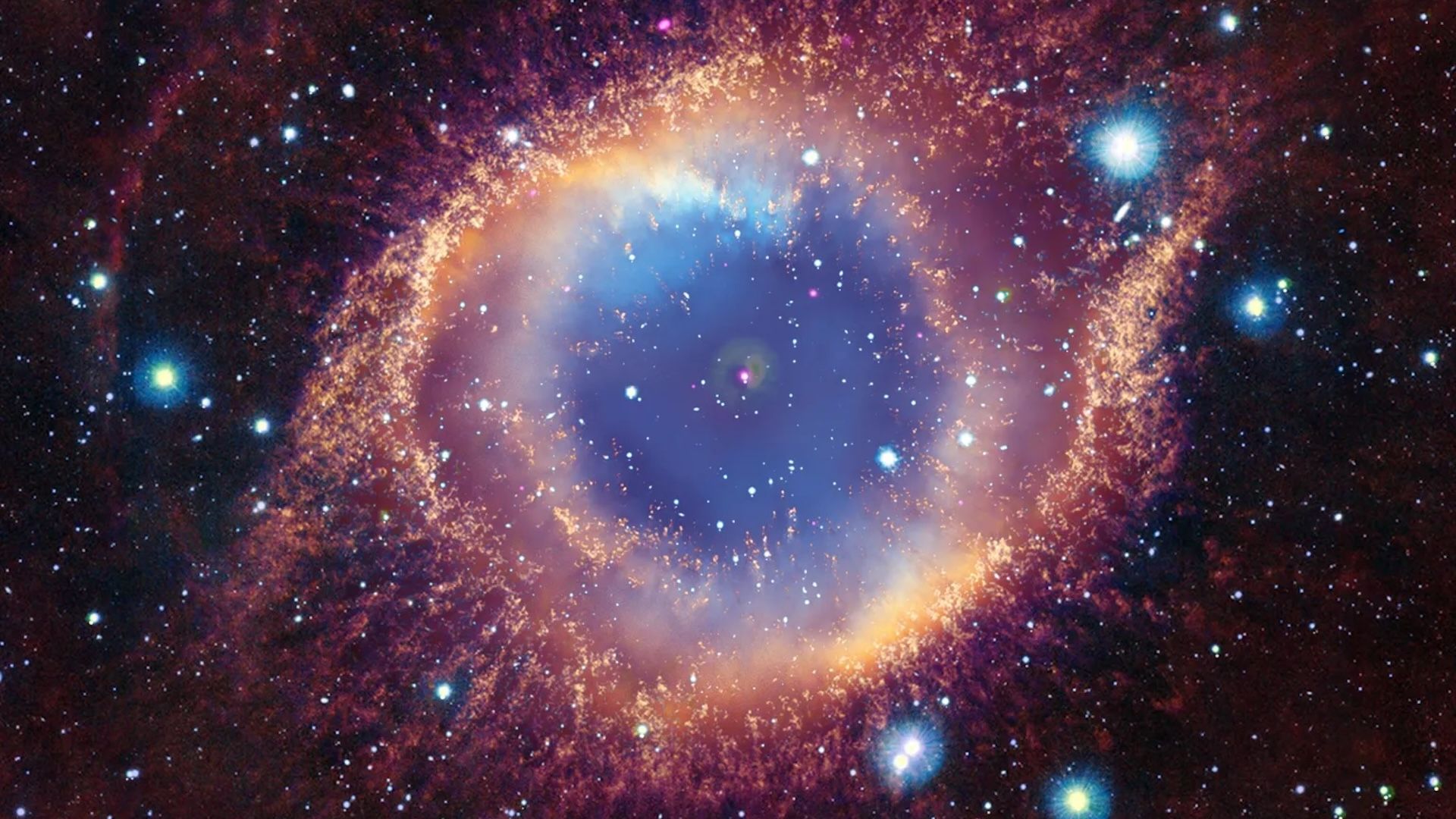
The Helix Nebula (NGC 7293) is a large planetary nebula about 650 light-years away in Aquarius, often called the “Eye of God” for its striking eye-like appearance. It features thousands of comet-like radial filaments and complex gas rings.
It stays low in the southern sky, making September the best time to observe or photograph it before it sinks lower. Moonlight will wash out the faint outer ring, so shoot during a new moon or before moonrise. Best hours are between 10:30 pm and 2 am. Capture it over several nights and stack the images to bring out the faint outer nebulosity.
Triangulum Galaxy
(Image credit: Getty Images)
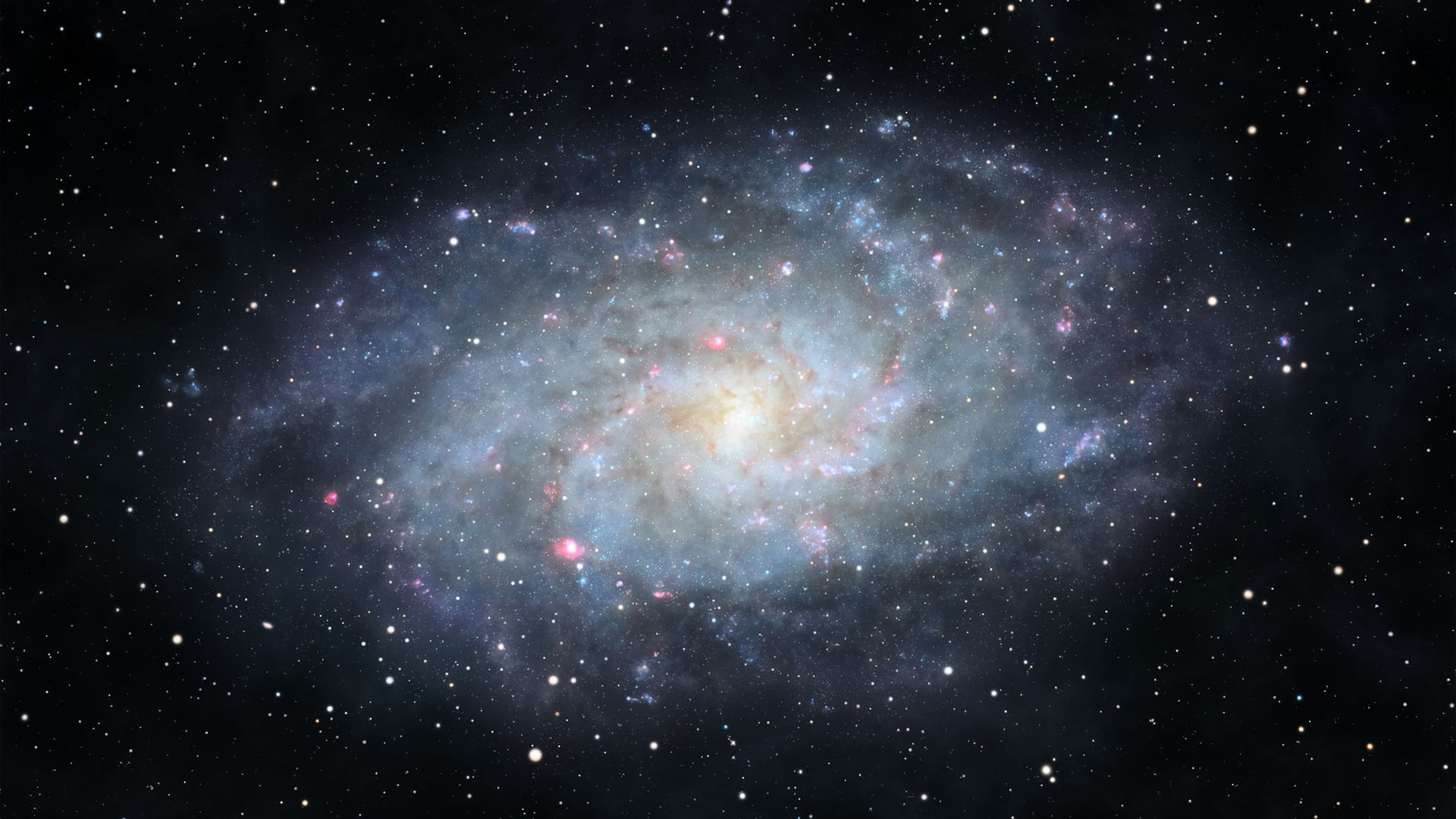
The Triangulum Galaxy (M33) is the third-largest galaxy in our local group, a stunning spiral some 2.7 million light-years away. Peak viewing runs October through December, when it reaches its highest and clearest point after dark. It’s extremely faint, so you need a moonless night away from light pollution. Around 90 minutes is ideal for smart telescopes, though 2.5 to 4+ hours reveals more core and spiral-arm detail.
Heart and Soul Nebula
(Image credit: Getty Images)
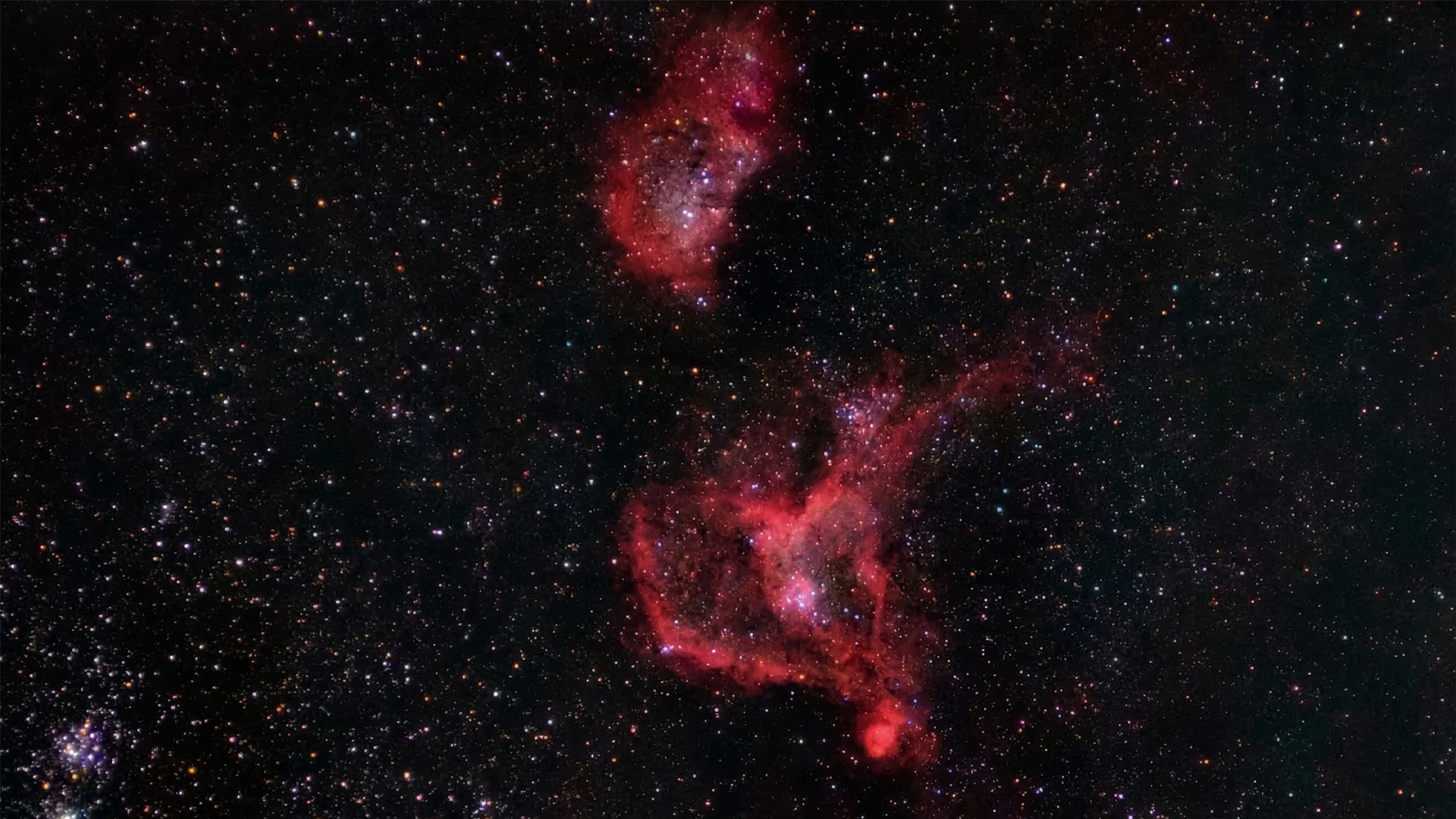
The Heart and Soul Nebula is a complex of two massive emission nebulas in Cassiopeia, roughly 6,000 to 7,500 light-years away. Composed of glowing ionized hydrogen, dark dust lanes, and traces of oxygen and sulfur, the Heart Nebula (IC 1805) earns its name from its heart-like shape, while the Soul Nebula (IC 1848) has an irregular form carved by stellar winds.
These nebulae are invisible to the naked eye and require a telescope or long-exposure astrophotography. Six to twelve hours of integration yields the cleanest detail and contrast; 2–4 hours gives a solid stacked image. Autumn is ideal, as Cassiopeia rides high with minimal atmospheric interference.
Ghost of Cassiopeia
(Image credit: Getty Images)
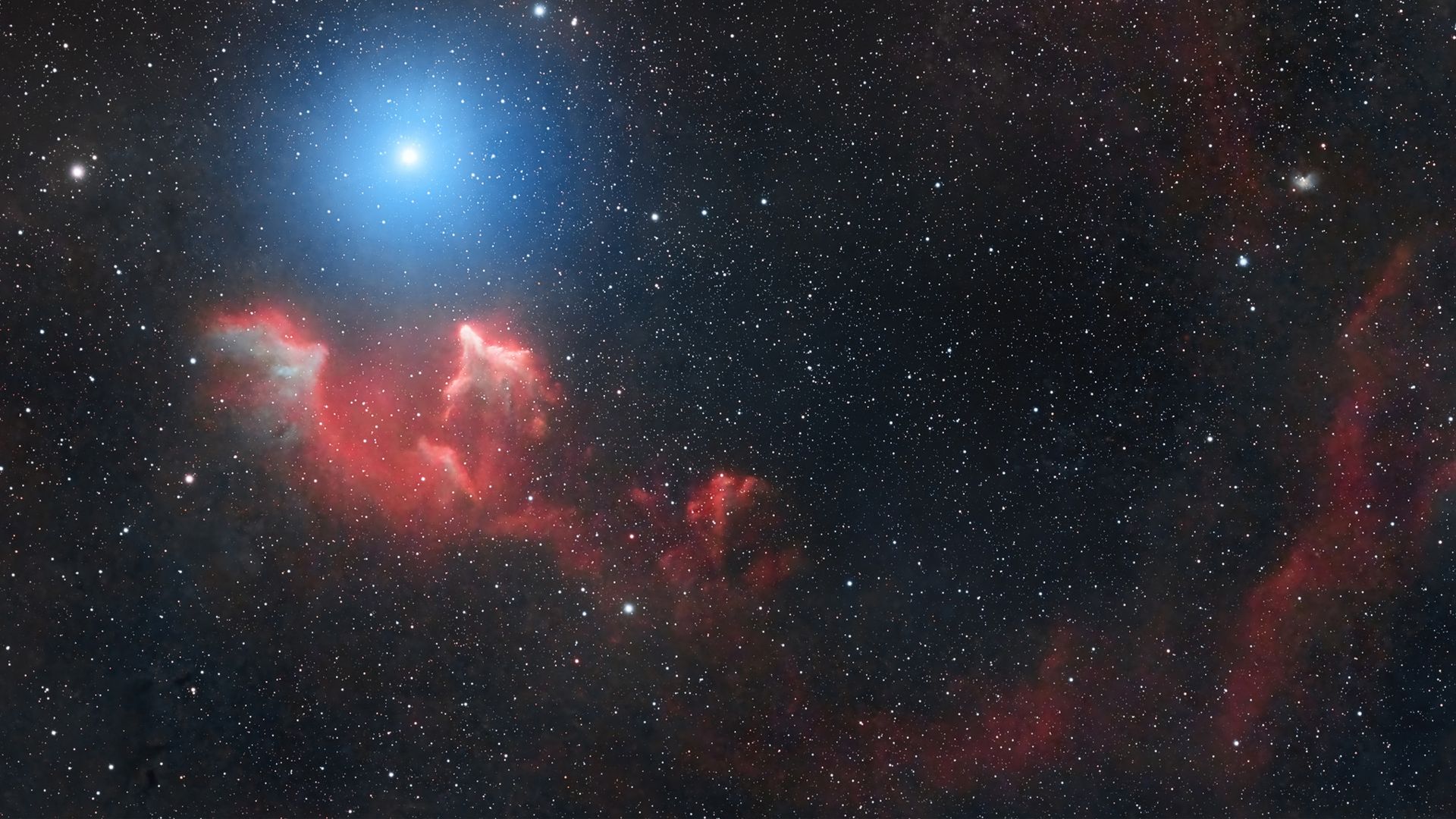
The Ghost Nebula (IC 63) is a mixed reflection and emission nebula about 550 light-years away in Cassiopeia. Its eerie red glow comes from proximity to the blue giant Gamma Cassiopeiae, whose ultraviolet radiation makes hydrogen emit a soft red hue while surrounding dust reflects blue light.
Autumn and winter evenings are best thanks to the nebula’s high altitude. It’s extremely faint, requiring a smart telescope or long-exposure setup. Aim for 3–5 hours minimum integration, ideally 6+ hours on dark, moonless nights.
Also Read
- Insight Partners’ Devin Parekh on Prioritizing Diversification Amid the AI Investment Frenzy
- What is the release date for Ted Lasso season 4 episode 7 on Apple TV?
- What is the release date for Neagley on Prime Video?
- Microsoft and Major U.S. Teacher Unions Finalize Legally Binding AI Safety Standards for Schools


