




Daniel Jones’ professional journey has featured notable highs alongside significant lows, spanning his tenure with both the Giants and the Colts. He has consistently struggled to maintain performance consistency, particularly in the wake of major contract extensions.
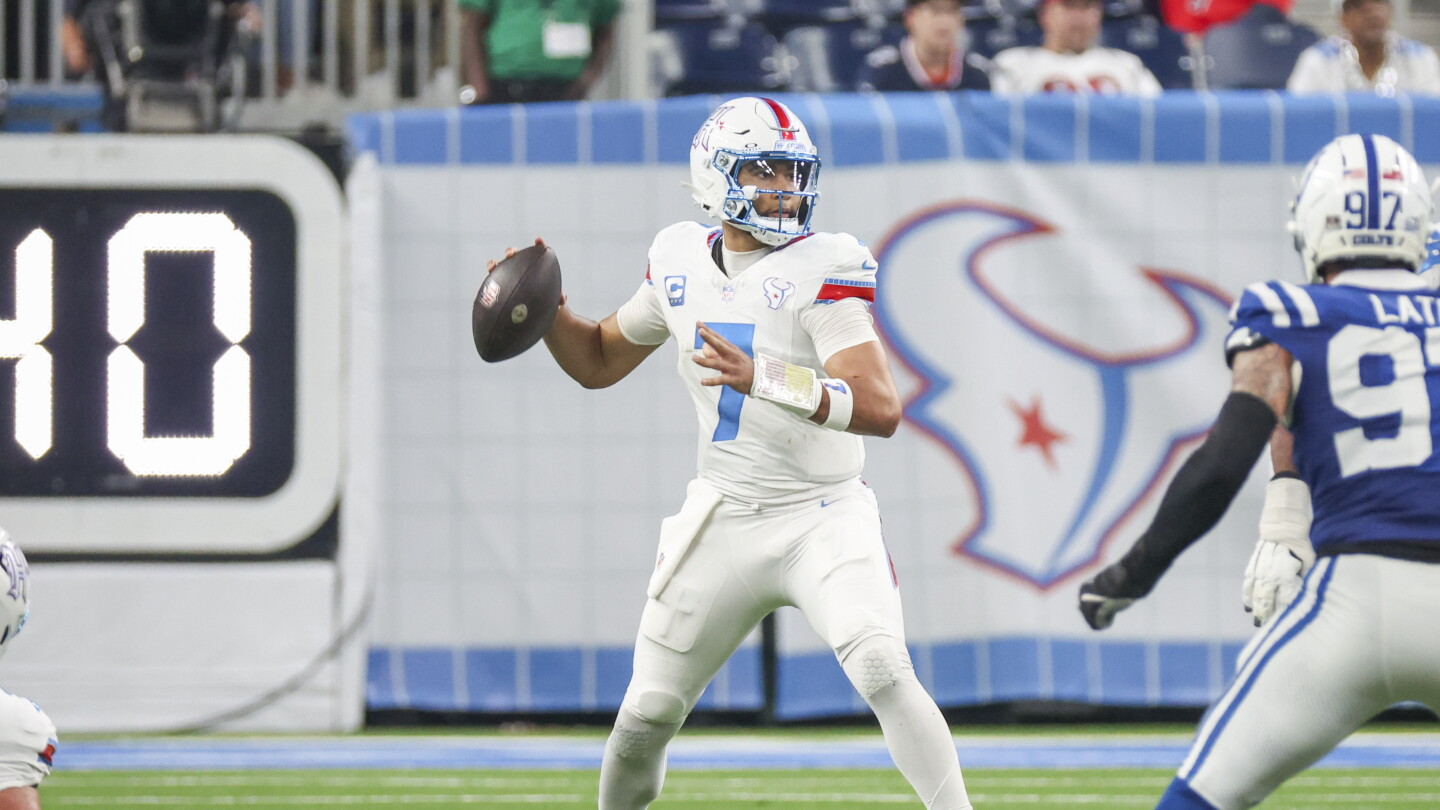
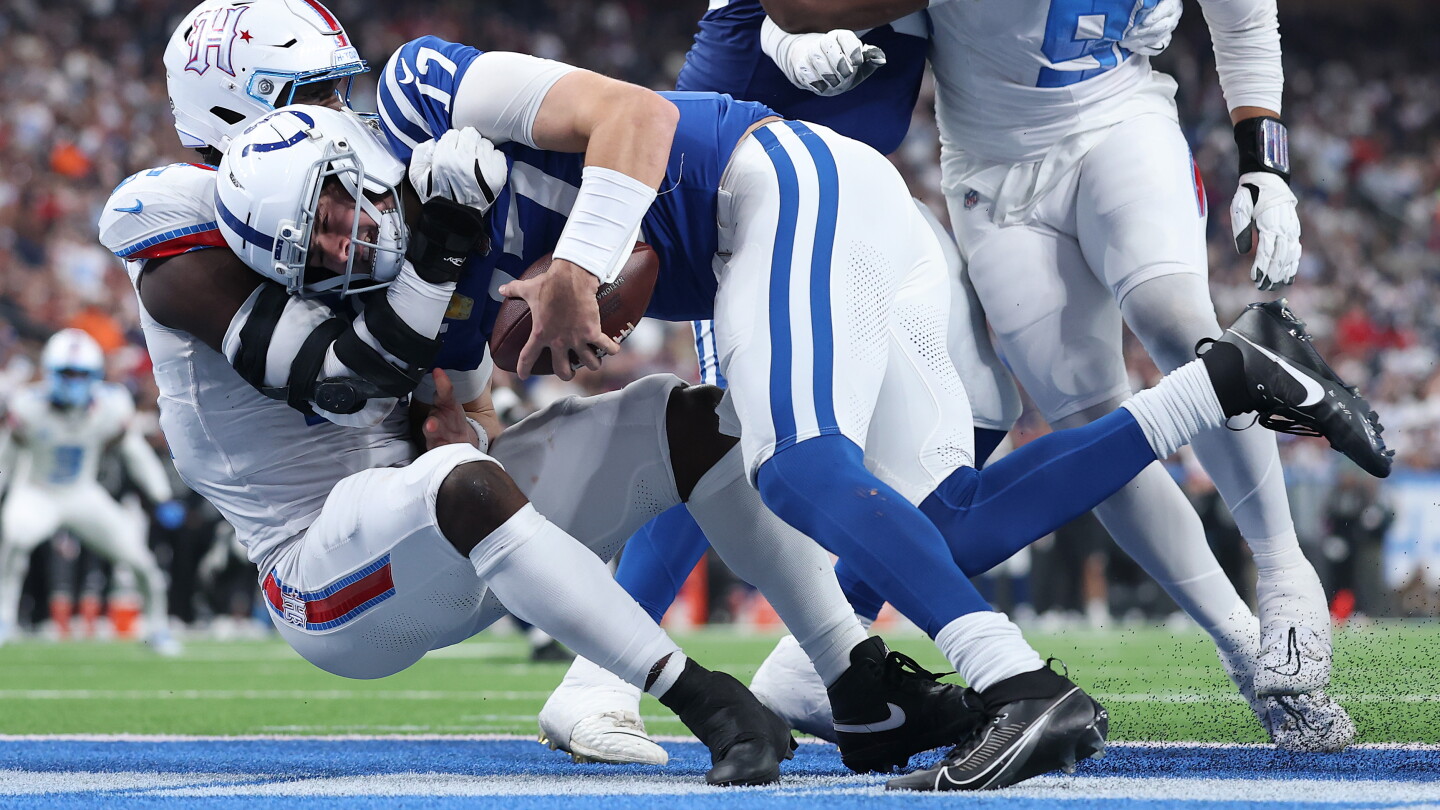
Jones delivered a disappointing performance in Thursday night’s loss to the Texans, extending what has become the least successful season of his career. This downturn arrives directly after the Colts committed to him with a two-year, $88 million contract in the offseason.
This pattern is far from isolated. Throughout his NFL career, Jones has repeatedly underperformed following significant contract commitments, suggesting a troubling trend.
Selected sixth overall by the Giants in the 2019 NFL Draft, Jones received a four-year, $25.75 million rookie contract with a fifth-year option. He failed to meet expectations during his initial deal, and his third season was cut short by a neck injury, prompting New York to decline that fifth-year option.
Jones, however, performed strongly in his fourth season, guiding the Giants to a playoff berth and a wild-card victory. That success triggered a four-year, $160 million extension in 2023, exceeding the cost of his original fifth-year option. His ensuing fifth season was marred by poor play, a recurring neck injury, and a season-ending torn ACL.
Jones returned for the 2024 season but struggled significantly, leading the Giants to bench him and ultimately release him. He spent the remainder of that year on the Minnesota Vikings’ practice squad.
In 2025, the Colts gave Jones a one-year deal, and he seized the starting role by winning a competition with Anthony Richardson. He delivered some of his best early-career football, helping the Colts start 8-2. His season, however, ended prematurely with a torn Achilles tendon. Despite the late-setback, Indianapolis was impressed enough to sign him to a two-year, $88 million contract in March.
Now in the first year of that new contract, Jones is underperforming more than ever before. He leads the NFL with 13 interceptions this season — a career high — with six games remaining. He has added only seven touchdown passes and has yet to record a single game with more TDs than INTs. His 65.4 passer rating, 30.3 QBR, 58.4% completion rate, and 5.6 yards per attempt all represent career lows. Even as a runner, he has regressed, averaging just 2.9 yards per carry — another career low. In every metric, Jones is performing at his worst.
The financial implications are equally concerning. Regardless of whether Indianapolis retains or releases Jones, he will carry a substantial salary-cap hit in 2027 that could significantly hinder the Colts’ efforts to rebuild their roster.
If the Colts decide to cut ties, Jones could sign a one-year deal elsewhere, but any suitor would be prudent to avoid guaranteeing him a lucrative extension.