







Earth’s life-support systems are deteriorating at an alarming pace, with seven of nine critical planetary boundaries already breached and the situation growing increasingly urgent, according to a comprehensive new scientific assessment.
The “Planetary Health Check 2026” report, compiled by over 60 international scientists, evaluates the health of Earth’s interconnected natural systems—the foundational processes that maintain the planet’s stability and resilience. Crossing these boundaries significantly increases the risk of triggering irreversible environmental collapse.
Niklas Kitzmann, lead editor of the report and researcher at the Potsdam Institute for Climate Impact Research in Germany, compared monitoring these planetary boundaries to conducting a medical blood test—one that reveals troubling results for our planet’s vital signs.
“If you had a patient with a blood test that looks like this, you would send them to the ICU right away,” Kitzmann explained to Live Science.
The report identifies seven breached planetary boundaries: climate change, ocean acidification, biosphere integrity, freshwater change, land system change, modification of biogeochemical flows, and introduction of novel entities. Only stratospheric ozone depletion and atmospheric aerosol loading remain within safe global limits.
Critical ecosystems like the Amazon rainforest, teetering on the brink of irreversible tipping points, and vulnerable seafloor environments facing threats from bottom trawling and emerging deep-sea mining operations, exemplify the cascading effects of these breaches. The report highlights accelerating climate impacts, widespread biodiversity loss, and contamination from persistent synthetic chemicals as major concerns.
Despite the grim findings, the researchers emphasize that actionable solutions exist and can still restore planetary health if implemented immediately.
“We still have a window to turn this around, but we do have to start bending the curves on emissions and nature degradation within the next few years,” Kitzmann stated. “We’re rapidly running out of time.”
Planetary Health Assessment
The annual Planetary Health Check, timed to coincide with Climate Week, reveals that while no new boundaries were breached this year, the severity within already-compromised systems continues to escalate. Ocean acidification joined the list of breached boundaries in 2025, becoming the seventh boundary to fall outside safe limits.
This year’s assessment arrives amid an unprecedented El Niño event, injecting additional heat into an already warming climate and amplifying threats to both human societies and natural ecosystems worldwide.
The research team employs a traffic light risk system: green indicates safe operating conditions, yellow/orange signals breaches requiring immediate attention, and red marks critical danger zones where irreversible damage becomes increasingly likely. Among the breached boundaries, ocean acidification, freshwater change, and land system change remain in the high-risk category, while climate change, biogeochemical flow modifications, novel entity introduction, and biosphere integrity degradation have entered the critical danger zone.
Boundaries in Critical Condition
Climate change, driven primarily by continued greenhouse gas emissions from fossil fuel combustion, represents the most severe breach and is accelerating rapidly, according to the report.

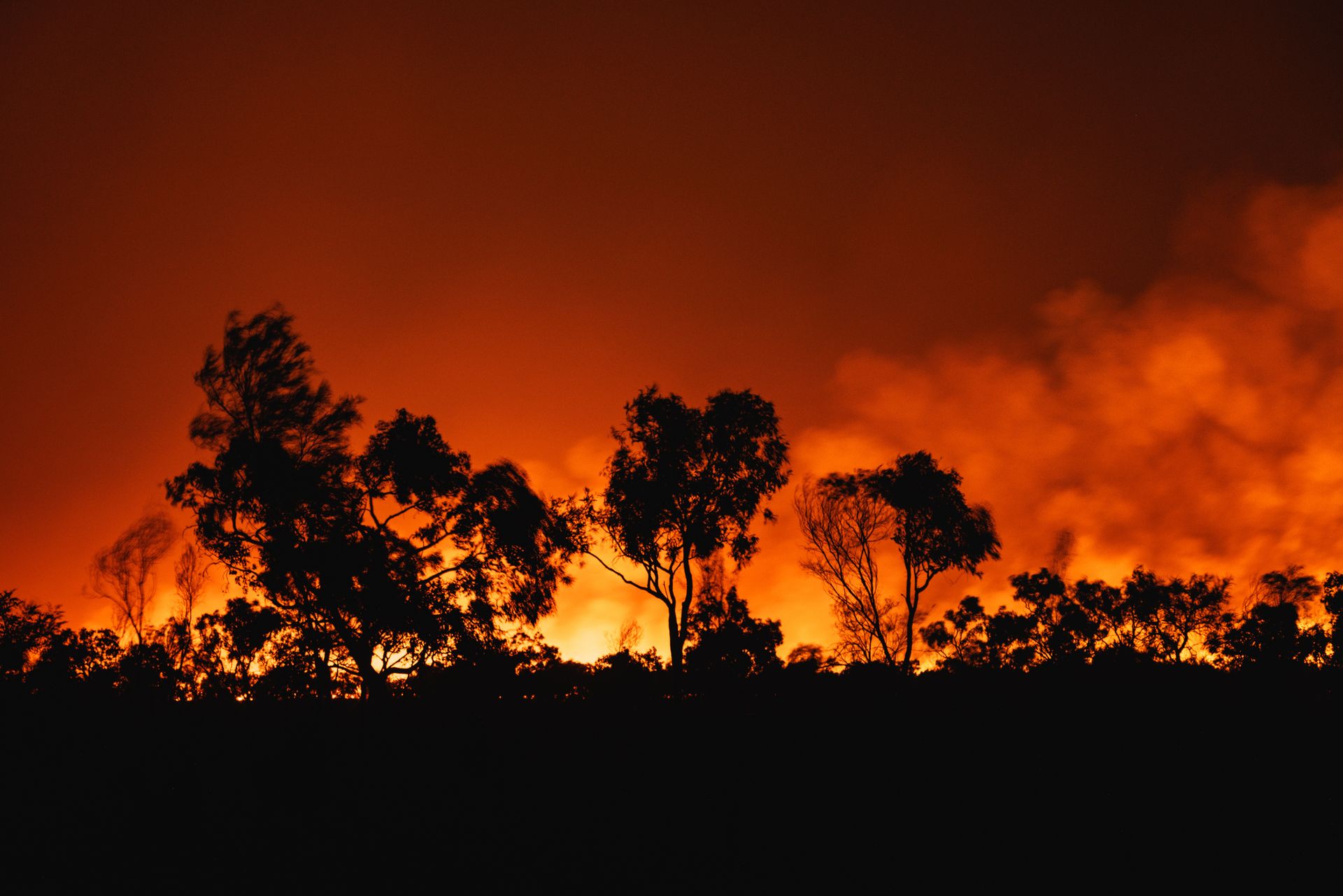
(Image credit: Abstract Aerial Art via Getty Images)
Climate Change
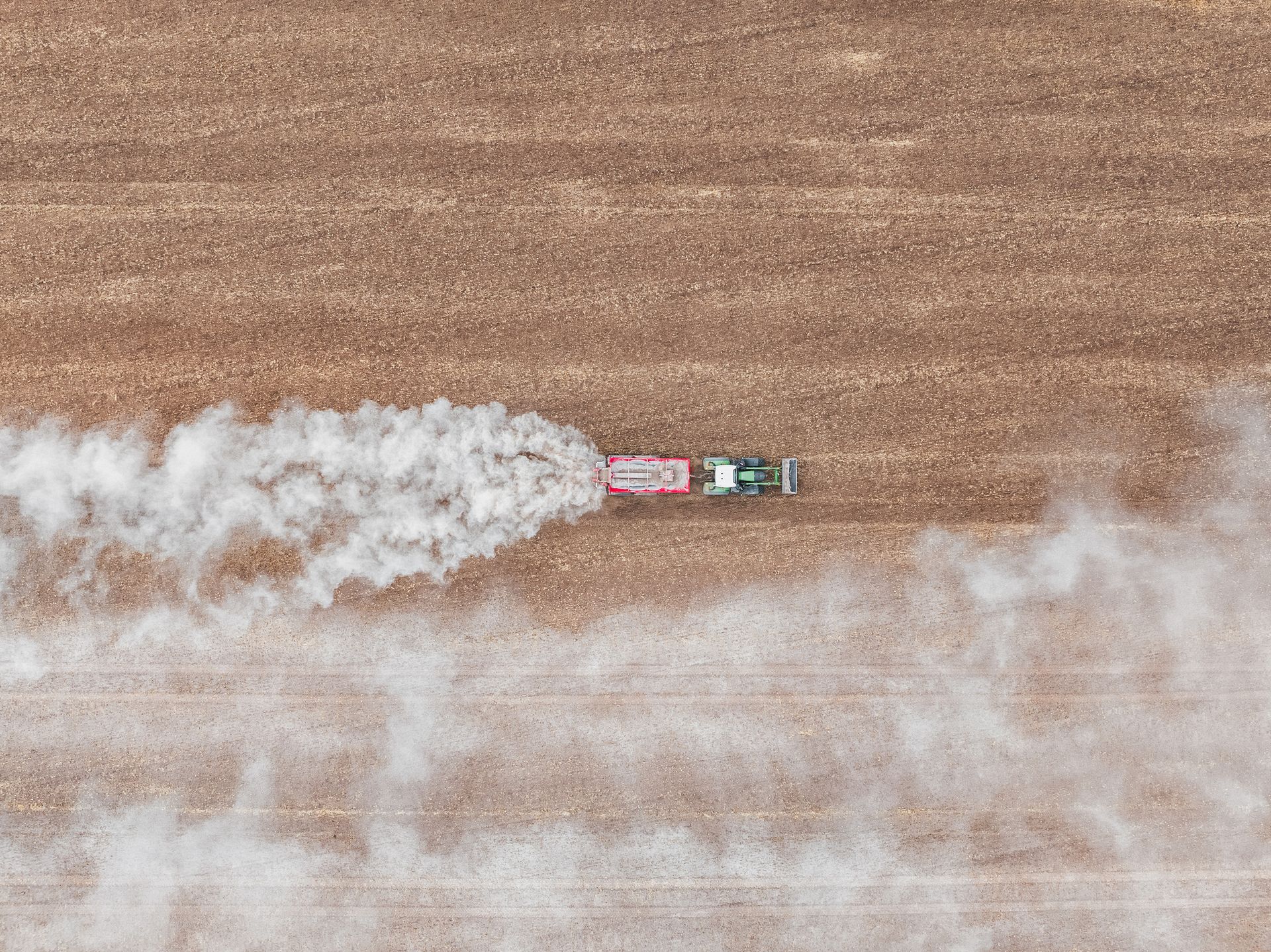
(Image credit: Abstract Aerial Art via Getty Images)
Modification of Biogeochemical Flows

(Image credit: Alistair Berg via Getty Images)
Introduction of Novel Entities

(Image credit: Education Images/Universal Images Group via Getty Images)
Changes in Biosphere Integrity
According to the report, the planetary breaches are becoming increasingly visible and measurable. Researchers observe surging heat waves, accelerating glacial melt, marine heat waves, and catastrophic coral bleaching events occurring with greater frequency and intensity worldwide.
“The Earth is sending us her invoices for the breaching of these planetary boundaries,” Kitzmann observed.
While acknowledging the gravity of current conditions, Kitzmann emphasized emerging opportunities for planetary restoration. He pointed to growing momentum in renewable energy adoption, declining costs of solar technology, enhanced international cooperation on environmental protection, and increasing public awareness as foundations for meaningful change.
“It’s not enough yet, it’s not sufficient, but we shouldn’t think that this is a completely unsolvable problem,” Kitzmann concluded. “It is very much in the process of being solved, and we just need to step on the accelerator right now and make sure that these solutions that we have get implemented as quickly as we possibly can.”
Also Read
- Anthropic’s Biology Discovery Under Scrutiny Over Source of Research Data
- SpaceX’s Crew Dragon Withdrawal Leaves NASA Without a Clear Low-Earth-Orbit Path
- AI researchers put out videos saying superintelligence is ‘exactly as dangerous as it sounds’
- Medieval Bald’s Eyesalve Targets Multiple Bacterial Pathways, Slowing Development of Antibiotic Resistance


