






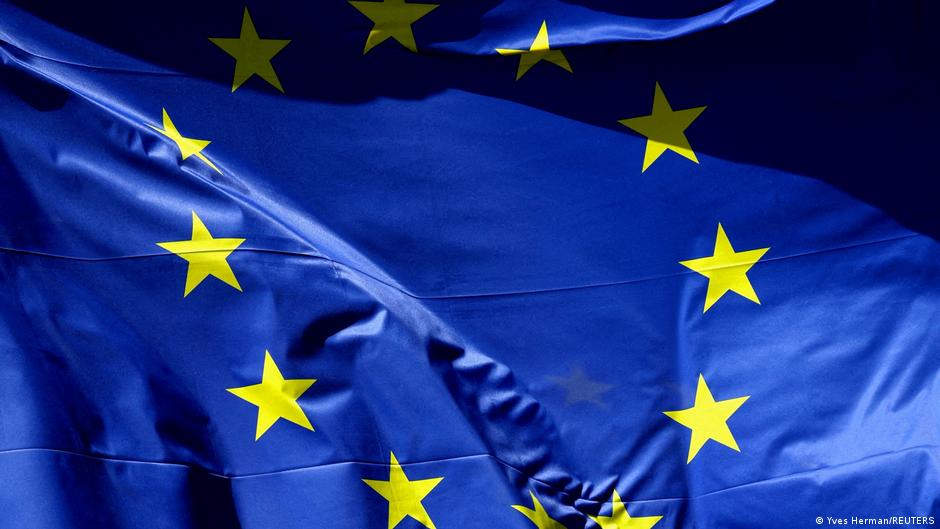
European Union leaders are set to gather in Brussels on Thursday for two days of talks centered on the bloc’s most pressing economic challenges, chief among them mounting competition from China.
The agenda also includes vigorous debate over the EU’s seven-year budget for 2028–2034, with traditional fault lines emerging between net contributor and net recipient member states.
Friday’s session is earmarked for further deliberations on supporting Ukraine, which faces a full-scale Russian invasion. Ukrainian President Volodymyr Zelenskyy is expected to attend.
Chinese competition in focus
Negotiators are expected to address the bloc’s substantial trade deficit with China, which hit €360 billion ($400.4 billion) last year and is on track to surpass that figure this year. The talks follow recent agreements between the European Commission and Beijing to restrict imports of Chinese hybrid vehicles.
The EU has long accused China of unfair economic practices, arguing that state subsidies create an uneven playing field for European industry. Industry reports indicate that the surge in Chinese imports is already driving an increasing number of factory closures across the bloc. In the run-up to the summit, German Chancellor Friedrich Merz and French President Emmanuel Macron have both called for new EU measures to counteract market-distorting actions.
Surging energy prices within the union are also under scrutiny, cited as another factor undermining the bloc’s overall competitiveness.
Divisive EU budget
The EU’s next seven-year financial framework, spanning 2028 to 2034, remains a contentious item on the agenda, ahead of a dedicated November summit aimed at securing a final agreement. Budget discussions typically require unanimous approval and often pit wealthier states against those dependent on cohesion funds. While no breakthrough is expected at this meeting, leaders hope to narrow differences and reach a compromise before year’s end. Growing pressure stems from elections scheduled next year in several member states, which could further complicate consensus-building.
Ukraine support
Attention will shift to the situation in Ukraine on Friday, with Zelenskyy invited to join the deliberations. He is likely to press the bloc to deepen its support for Kyiv as Russian strikes intensify ahead of winter, causing widespread civilian casualties. European aid is becoming increasingly crucial as the United States, under President Donald Trump, pursues an ambivalent course on the conflict—evidenced recently by a deal permitting Russian diesel imports despite international sanctions. Trump has also publicly called for Zelenskyy to be replaced as Ukraine’s leader.


